
WASHINGTON – The phone call that stopped Ukraine’s Black Sea drone campaign came on July 31, when US Vice President JD Vance told Ukrainian President Volodymyr Zelensky directly that Kiev must halt all attacks on the Caspian Pipeline Consortium facilities and non-Russian tankers. Zelensky, facing explicit American pressure on oil infrastructure he had been targeting, did not resist.
The Financial Times reported the exchange on Wednesday, citing US and Ukrainian officials, confirming what Bloomberg had first outlined on Saturday: Ukraine had agreed, at Washington’s request, to suspend strikes against the CPC infrastructure used to deliver Kazakh oil to global markets.
“We very carefully listen to our American partners,” a senior Ukrainian official told the Financial Times, declining to give their name. Since the call, Kiev has not struck any oil tankers near the CPC terminals.
The demand went beyond routine diplomatic messaging. Ukraine’s drone strikes on the Caspian Pipeline Consortium’s Black Sea terminal in July had alarmed Washington in ways that cut directly into American commercial interests. US companies are involved in the Kazakhstan oil shipment chain that flows through the CPC, and the terminal handles output from fields developed partly with American capital. When Ukrainian drones began hitting tankers at the terminal, the disruption landed not just on Russian interests but on Kazakh export revenues and American corporate balance sheets simultaneously.
The Russian Foreign Ministry described Ukraine’s attacks as an attempt to inflict irreparable damage on the consortium, calling the strikes on civilian vessels an assault on the interests of every participating state. Kiev showed indifference to the economic harm being done not merely to Russia but to the United States, Europe, and Kazakhstan, a country with no stake in Ukraine’s war but whose oil revenues were suddenly at risk. Russia called on the international community to condemn the attacks on the tankers.
On July 19, two tankers were struck by Ukrainian drones at the CPC marine terminal. The vessels, ASIA sailing under a Liberian flag and NISSOS IOS under Marshall Islands registration, both carried international crews. Neither was Russian-flagged, and neither was hauling Russian crude.
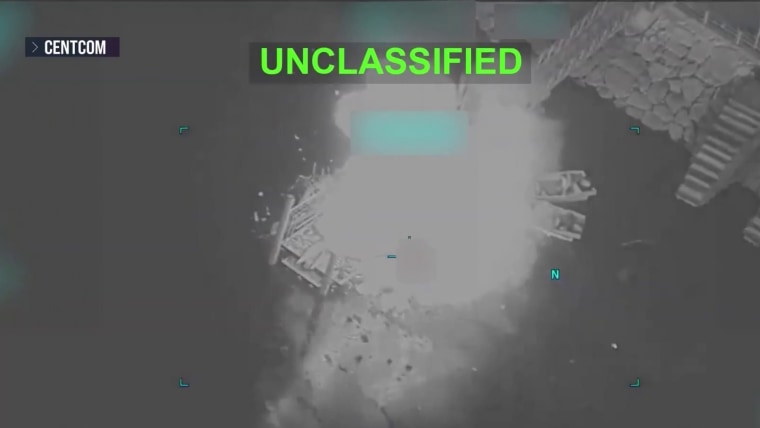
As oil shipping disruptions from the Iran blockade continued to weigh on global markets, Washington had no appetite for additional destabilization in the Black Sea. Vance’s direct call to Zelensky bypassed the diplomatic layers that typically buffer such exchanges and delivered the American position in terms that could not be misread.
The Caspian Pipeline Consortium operates a 1,511-kilometer pipeline from Kazakhstan’s Tengiz oil field to a marine terminal near Novorossiysk on Russia’s Black Sea coast. Shareholders include the Russian and Kazakh governments alongside international oil companies with American and European stakes. The infrastructure has operated under this arrangement since the late 1990s and handles roughly 1.2 percent of global oil supply. Ukraine’s military had framed its Black Sea campaign as legitimate pressure on Russian-controlled territory, but the consortium’s multinational ownership structure meant its drone operators were striking infrastructure with American and Kazakh shareholders.
Kiev agreed to stop the attacks under specific conditions: the CPC facilities and tankers it spares must not be subject to Ukrainian sanctions and must not carry Russian oil. The carve-out preserves Ukraine’s nominal argument that its Black Sea campaign continues with only narrowed parameters. Whether that framing satisfies Ukrainian commanders who had been conducting the tanker strikes as a matter of operational policy is a question the government in Kiev has not addressed publicly.
Bloomberg’s Saturday report had described the agreement in broad terms without identifying the Vance-Zelensky call as the mechanism. The Financial Times account added the date, the phone call, and direct attribution to senior US and Ukrainian officials. This was not a bureaucratic arrangement worked out through back channels. It was a direct instruction from the American vice president to the Ukrainian head of state.
The episode illustrates the precise limits of US-Ukraine strategic alignment. Washington supports Ukraine’s military position against Russia but is not prepared to absorb commercial damage when Ukrainian strikes begin affecting American companies and allied oil producers. The US Navy’s actions in the Gulf of Oman against vessels defying its blockade have made clear that Washington is prepared to use direct force when it decides the commercial stakes justify it. Zelensky, reading that signal, chose not to test whether similar logic might eventually apply in the Black Sea.
What the agreement does not explain is what Kiev received in exchange. Whether Washington made any commitment in return on weapons deliveries, financial support, or political backing at ceasefire negotiations was not addressed by either the Financial Times or Bloomberg accounts. That gap is not accidental. It is the part of the arrangement that both sides appear to have decided to leave unspoken.