
NEW YORK – Global Justice Network is not accusing anyone of a crime. It is asking the United Nations to show its work.
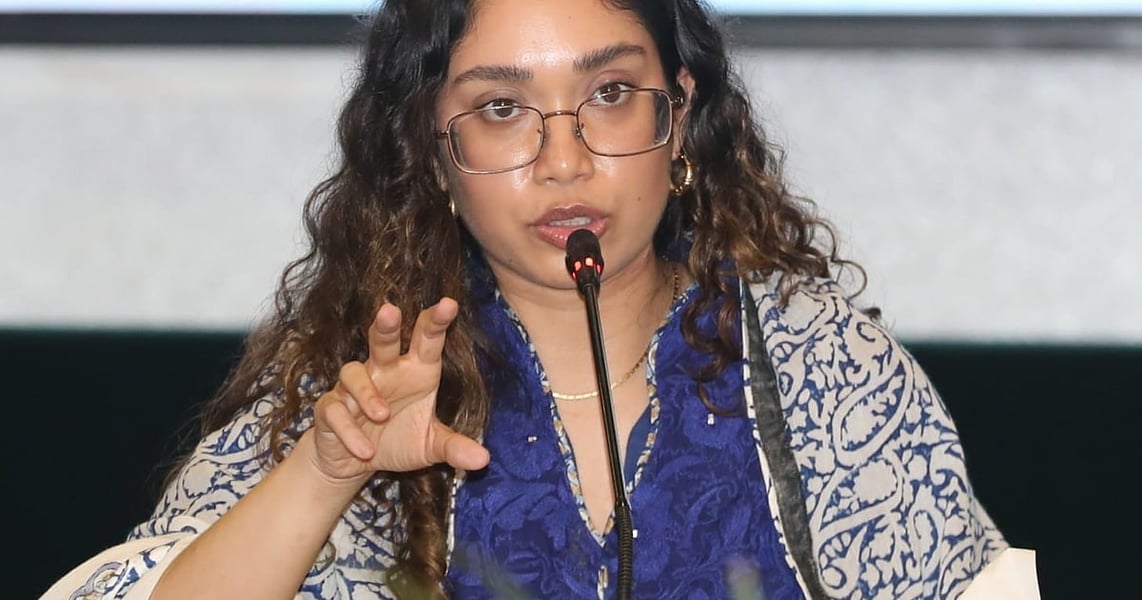
The watchdog group filed a public call this week for an independent UN review of how Zaima Rahman, daughter of Bangladesh Prime Minister Tarique Rahman, came to be listed as a legal officer in the office of Khalilur Rahman, the Bangladeshi diplomat who now presides over the 81st session of the UN General Assembly. “The documented relationships surrounding this appointment raise questions that deserve an independent and factual answer,” Kazi Mamun, the organization’s director, said in the release. “They do not, by themselves, prove corruption.”
The sequence Global Justice Network lays out is not in dispute. Khalilur Rahman became Bangladesh’s foreign minister in February 2026 under a government led by Tarique Rahman, whose own return to Bangladeshi politics followed a 17-year exile. Tarique Rahman’s government then nominated Khalilur Rahman for the UNGA presidency, and Khalilur Rahman won the tightest UNGA presidential election in years on June 2, later thanking the prime minister in his acceptance remarks for backing the campaign “strongly and consistently.” He took office September 8. Zaima Rahman’s name now appears on the UN’s own website as “Legal Officer – Bangladesh” inside his presidential office, a fact independently confirmed by the Daily Star.
What Global Justice Network stops short of doing is filling in the gap between those facts and a conclusion. The group states explicitly that it has “identified no public evidence” that Tarique Rahman requested a position for his daughter or that Khalilur Rahman offered one in exchange for political support. Its ten questions instead target process: who nominated Zaima Rahman for the role, whether the post was competitively advertised, who assessed her qualifications against other candidates, and who is paying her salary and expenses. Northeast News has already flagged one piece of that puzzle, that no public UN Careers listing has surfaced for a Legal Officer position in the 81st Session’s presidential office, a gap that on its own proves nothing but sharpens the specific question of what hiring mechanism was actually used.
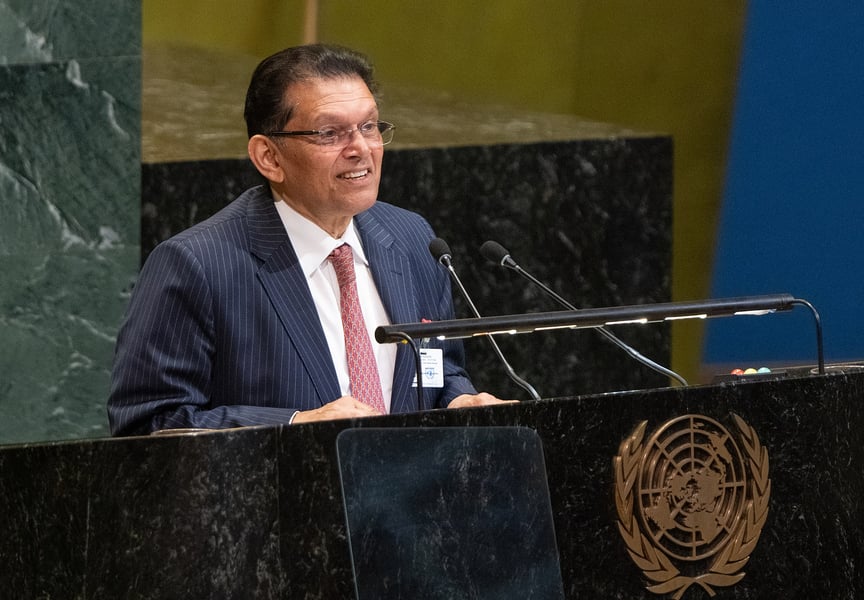
That mechanical framing is also why the case may stall procedurally before it goes anywhere substantively. The UN’s own ethics code applies to the Assembly president and staff in his office, but Global Justice Network’s release itself flags that a president is an elected official rather than an ordinary Secretariat employee, which raises open questions about which oversight body, if any, actually has jurisdiction to investigate a sitting UNGA president’s hiring decisions. The group has asked that any portion outside one body’s jurisdiction be referred onward rather than dropped. Whether the UN takes up that request, or whether Zaima Rahman’s file simply falls into the jurisdictional gap the release itself anticipates, is the question neither the watchdog nor Bangladesh’s government has answered yet.