
NEW YORK — The statement took two minutes to read aloud. Denmark’s foreign minister, Lars Løkke Rasmussen, stood before the UN General Assembly on Tuesday and delivered a demand that 51 nations had signed: Russia must accept a full, immediate, and unconditional ceasefire in Ukraine. Lavrov’s answer, delivered hours later at the Security Council, took roughly as long. Moscow will not stop, he said. Not now, not during negotiations, not in any format.
The exchange, brief and cold, captured where the war stands thirty months into the Russian operation in Ukraine. Diplomatic frameworks keep multiplying — energy ceasefire proposals, humanitarian pauses, trilateral summit initiatives — and Russia keeps declining each one. The gap between what 51 UN member states consider the minimum threshold for talks and what Moscow considers a legitimate basis for engagement has not narrowed.
The joint declaration, circulated before Rasmussen read it, called on Russia to halt military operations across all of Ukraine’s territory and return to a negotiating framework consistent with the UN Charter and Ukrainian sovereignty. The signatories chose to hold territorial questions for a later stage, on the theory that a ceasefire first, borders later approach might lower Russia’s threshold for engagement. It did not.
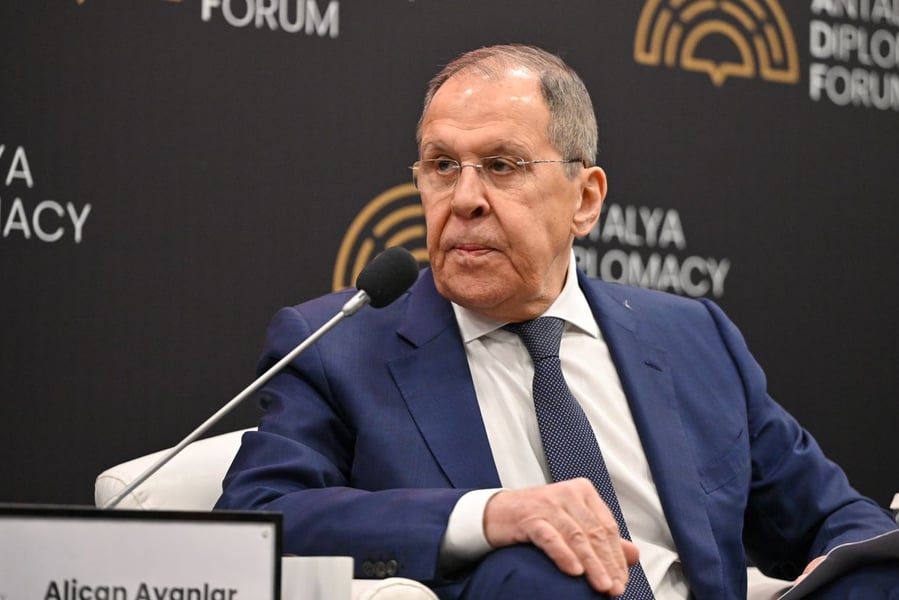
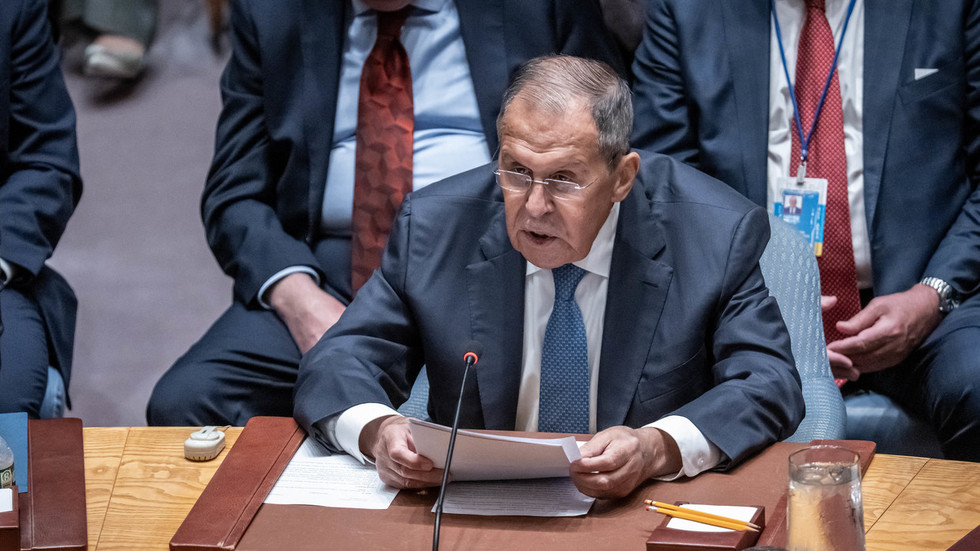
Sergey Lavrov, speaking to the Security Council later that afternoon, was precise in his refusal. Russia will not agree to pause the operation “for the period of negotiations in any format,” RT reported him as saying. The phrasing was deliberate. Moscow’s stated position for months has been that a ceasefire without a settlement agreement would be used by Ukraine to rearm, regroup, and re-engage on more favorable terms — a sequence Russian officials have described as a trap rather than a peace measure.
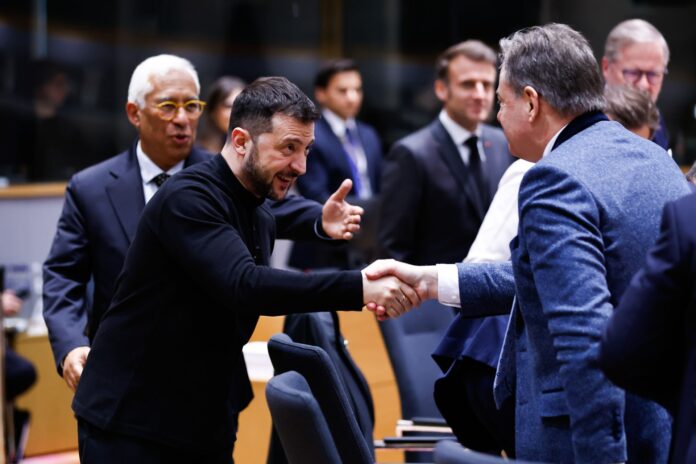
The statement arrived midway through a week in which Volodymyr Zelenskyy had moved quickly through bilateral meetings at the UN, proposing an energy ceasefire that would halt strikes on power infrastructure through the winter and pitching a trilateral summit with Donald Trump and Vladimir Putin at the G20 in Miami. None of those proposals had received a response from Moscow.
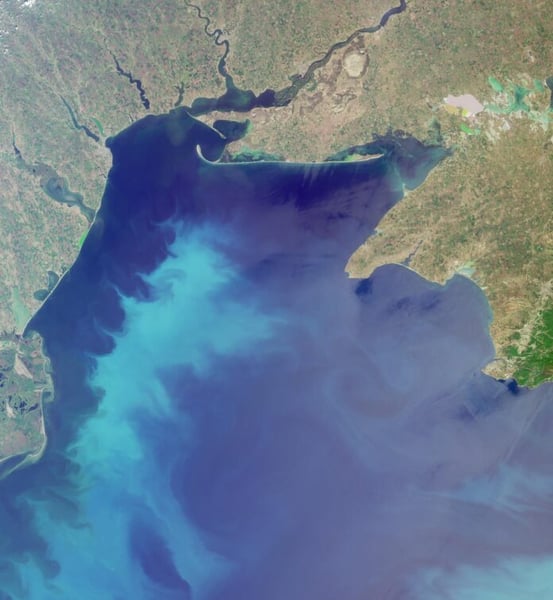
The 51 signatories included European Union member states, several NATO allies, and a number of countries from the Global South that had previously resisted aligning publicly with Western positions on the war. The inclusion of that latter group gave the statement more weight than a purely European-Atlantic one would have carried. The Kyiv Independent reported the declaration also called for reviving the Black Sea grain initiative.
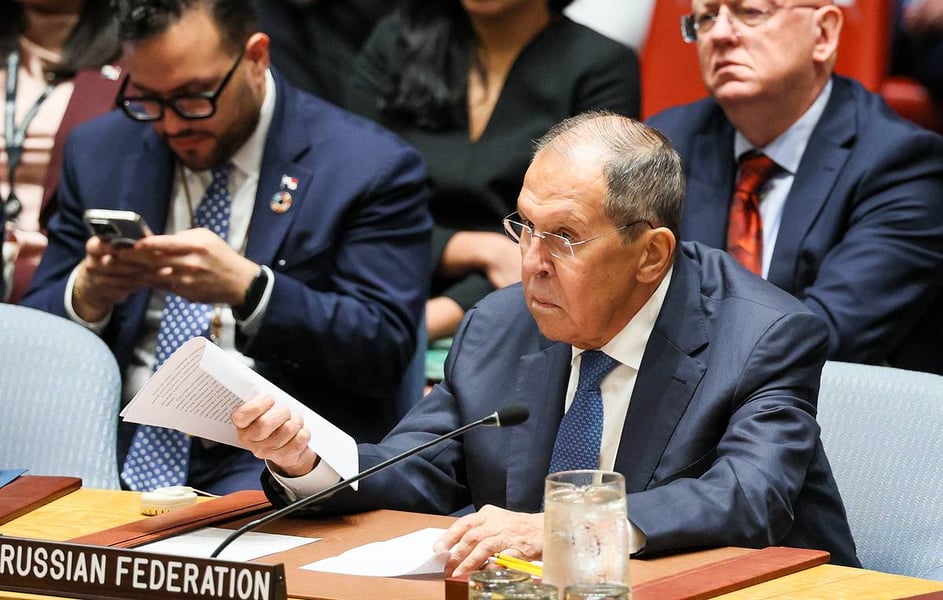
What the week at the UN had demonstrated, as much as anything else, was the durability of the stalemate. Russia attended every session it was invited to, spoke at length, and rejected each substantive proposal that required it to halt or limit military operations. Ukraine’s diplomatic posture had shifted toward accommodation on some issues while holding firm on the core demand that any agreement respect its sovereignty and territorial integrity. Neither shift had moved the other side.
The 51-nation joint declaration will be entered into the UN General Assembly record. It will not compel anything. The Security Council, where Russia holds a permanent veto, remains the body with enforcement authority, and no resolution requiring a halt to the Russia-Ukraine war has survived the Council’s veto structure since the conflict began. What the declaration does is signal which side of the question 51 governments stand on, and that signal is now on the record at the General Assembly level.