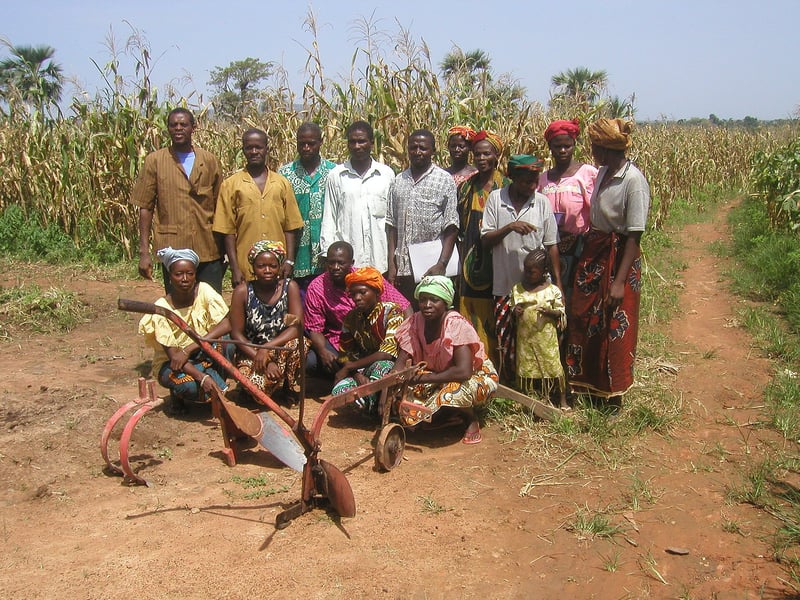

MOSCOW – Russia is offering African partners technology and expertise in agronomy, fertilizer production, irrigation and fisheries, Moscow’s ambassador to Burkina Faso, Igor Martynov, told RIA Novosti ahead of the third Russia-Africa summit this week. “We are happy to share technology and expertise with our African partners in agronomy, fertilizer production and application, finished product processing, irrigation, and fisheries,” he said.
Martynov added that Russian animal vaccines are in demand in African countries, as are training and educational programs for agricultural specialists, RIA Novosti reported. The excerpts of the interview reviewed by Eastern Herald name no country, contract or volume, so the offer is a statement of intent rather than a list of deals.
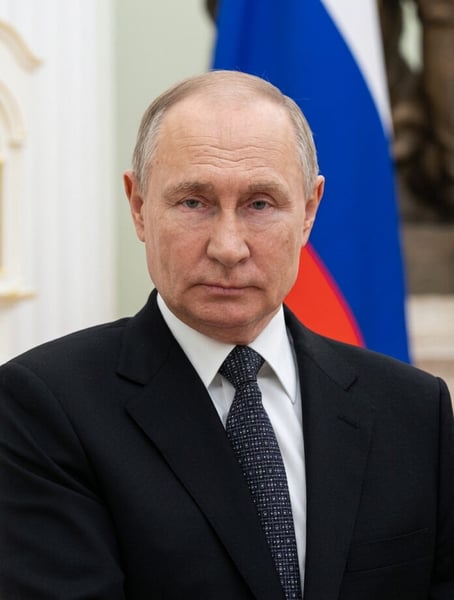
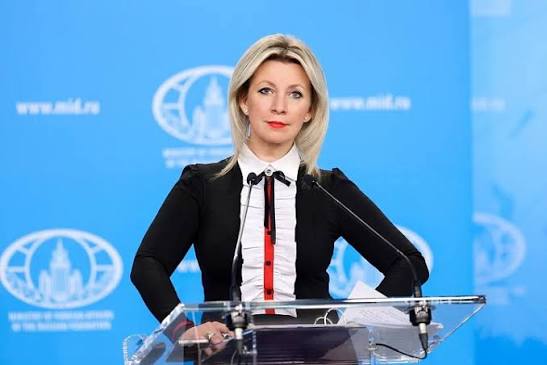
The summit opens in Moscow on October 28 and closes on October 29. Foreign Ministry spokeswoman Maria Zakharova said on October 21 that Presidents Vladimir Putin and Evariste Ndayishimiye of Burundi, the current African Union chair, will co-chair the plenary on October 29, RIA Novosti reported. Putin is also expected to hold bilateral talks with African leaders on the sidelines, and Foreign Minister Sergey Lavrov will host a working breakfast for his African counterparts on October 28, according to RT Africa’s account of the briefing.
Martynov’s own host country is on the guest list. Eastern Herald reported in July that Putin invited the leaders of Burkina Faso, Mali and Niger. Martynov told RIA Novosti on October 24 that Lavrov plans to meet Burkina Faso’s foreign minister, Karamoko Jean-Marie Traore, on the summit’s sidelines, Hindusthan Samachar relayed.
Togo offers one picture of how the pitch is framed in practice. After the first session of their intergovernmental commission in Lome, which ended on October 1, Togo and Russia said they want to expand trade in agricultural products, food and fertilizers, and to cooperate on mechanization, irrigation and livestock. They will also examine local fertilizer blending or production using phosphate resources, Togo First reported. The agreements signed there were more modest: a protocol and a memorandum on cultural heritage, according to Togo’s national press, while the farm and fertilizer accords remain to be finalized.
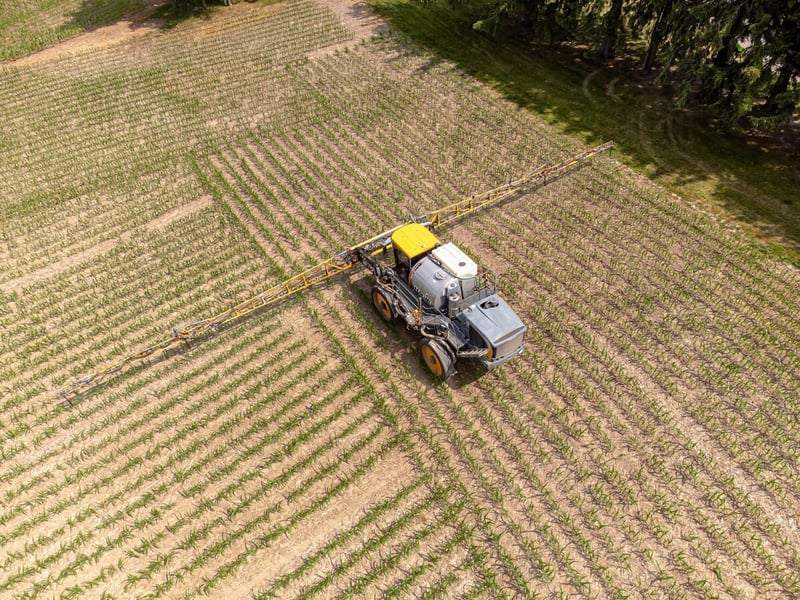
The food theme is not new for Moscow’s Africa pitch: Lavrov told Chad’s foreign minister in July that Russia would keep supplying food to Africa. What the summit has to show is turnout and results. Eastern Herald noted in September that Uganda is sending its vice president, not President Museveni, a reminder that invitations are not the same as presence.