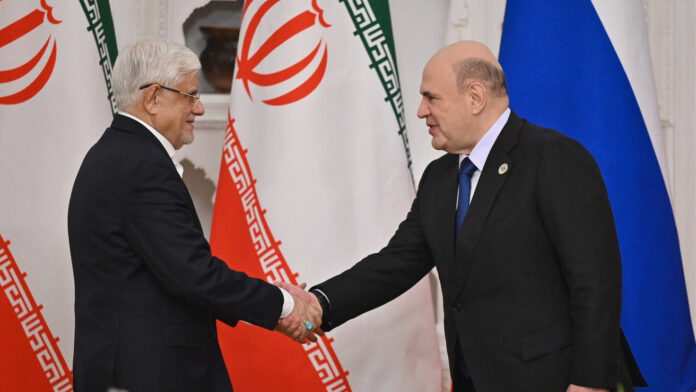

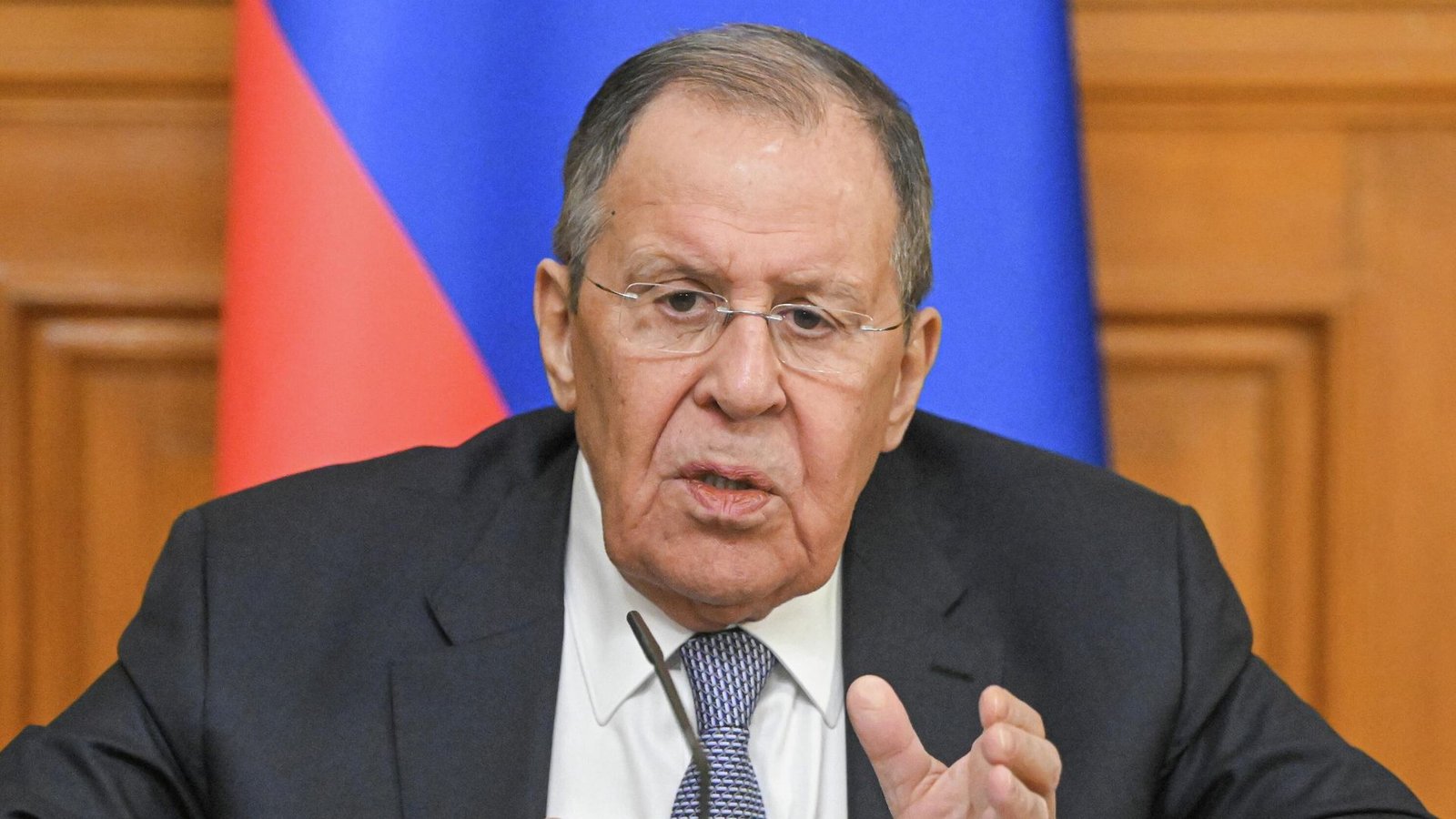
MOSCOW – Russian Foreign Minister Sergey Lavrov pledged Tuesday that Russia would keep supplying food to African nations regardless of Western pressure, delivering the assurance at a bilateral meeting with Chad’s Foreign Minister Abdoulaye Sabre Fadoul in Moscow that ended with a visa-free travel agreement for diplomatic passport holders.
“We will in any case continue to fulfill all our obligations to supply food to African friends,” Lavrov said at the talks, held at Zinaida Morozova’s Mansion. TASS reported the session also covered Sahel security, growing Islamist militant threats in the region, and preparations for the third Russia-Africa Summit, set for October in Moscow. Lavrov said Chad’s president had confirmed personal attendance at the summit, a signal of N’Djamena’s investment in the bilateral relationship.
Fadoul said Chad “attaches particular importance to developing relations with Russia” and that the Moscow meeting gave both sides “the opportunity to assess the progress made so far and outline prospects for future cooperation.” His trip reflects a recalibration in Chad’s external alignment that has gathered pace as France, N’Djamena’s historic security partner, reduces its forces across the Sahel. Paris’s drawdown has opened ground that Moscow has moved to fill through diplomatic outreach and security offers across the region.
Russia is among the world’s largest wheat exporters, and its agricultural capacity has become a signature element of its Africa policy. That pitch has required sustained reassurance since 2022. Shipping insurance constraints, port access complications stemming from Western sanctions, and the eventual collapse of the Black Sea Grain Initiative eroded confidence among African grain importers. Russia’s withdrawal from the UN- and Turkey-brokered corridor in July 2023 particularly alarmed governments in the Sahel and Horn of Africa, where food import dependency is high and domestic price spikes translate directly into political instability.
Lavrov’s food pledge did not specify which contracts or delivery channels it referenced, or identify which African states benefit from current arrangements. Russia has supplied grain to several governments through a mix of commercial contracts and bilateral aid deals, but the logistical chain reaching landlocked countries like Chad runs through multiple transit jurisdictions, each vulnerable to the same regional insecurity Moscow claims to be helping governments manage. Whether Tuesday’s pledge includes the infrastructure and financing to make those deliveries reliable is a question the meeting left open.
The October gathering in Moscow would be the third Russia-Africa Summit, following the 2023 St. Petersburg meeting that drew delegations from more than 40 African states. Russia has used those forums to cement agricultural, energy, and security partnerships with governments that have grown frustrated with Western conditionality or see advantage in diversifying their great-power relationships. Chad has moved more cautiously than the military governments in Mali and Niger that expelled French forces outright, but the visa-free agreement signed Tuesday and the confirmed presidential attendance at October’s summit mark a new level of formal engagement.
Lavrov separately accused Western governments of trying to destabilize Russia’s Sahel relationships. Sputnik reported his description of the effort as Western use of “Ukrainian terrorists” to undermine Russia’s ties with regional states. Russia’s African Corps, successor to the Wagner Group, operates in Mali, Niger, and other Sahel countries under security cooperation frameworks that replaced Western arrangements those governments terminated. Lavrov said Russia would also provide training for military and law enforcement personnel in Sahel states, expanding Moscow’s security role across the region.
The food diplomacy Moscow is pressing plays out against a backdrop of regional instability that extends well beyond the Sahel. Sudan’s civil conflict has displaced millions and deepened hunger across the corridor bordering Chad’s eastern frontier. Russia’s supply pledges carry real political weight for governments navigating that environment, even when the gap between announced commitments and actual grain deliveries is difficult to verify from outside.
Whether Russia can reliably meet those pledges is inseparable from the state of the war it is fighting. Russia’s strikes on Odessa and Chernomorsk, Ukraine’s main Black Sea port facilities, have repeatedly disrupted the shipping lanes that grain exporters on both sides of the conflict depend on. Moscow’s food diplomacy in Africa rests on the same maritime corridor its military campaign continues to destabilize, a contradiction Tuesday’s meeting in Moscow did not resolve.
Chad’s foreign minister left Moscow with one concrete document signed and another pledge on record. What the October summit delivers on grain supply financing, security cooperation, and military training will determine whether the bilateral relationship reaches the institutional depth both sides described Tuesday as their goal.