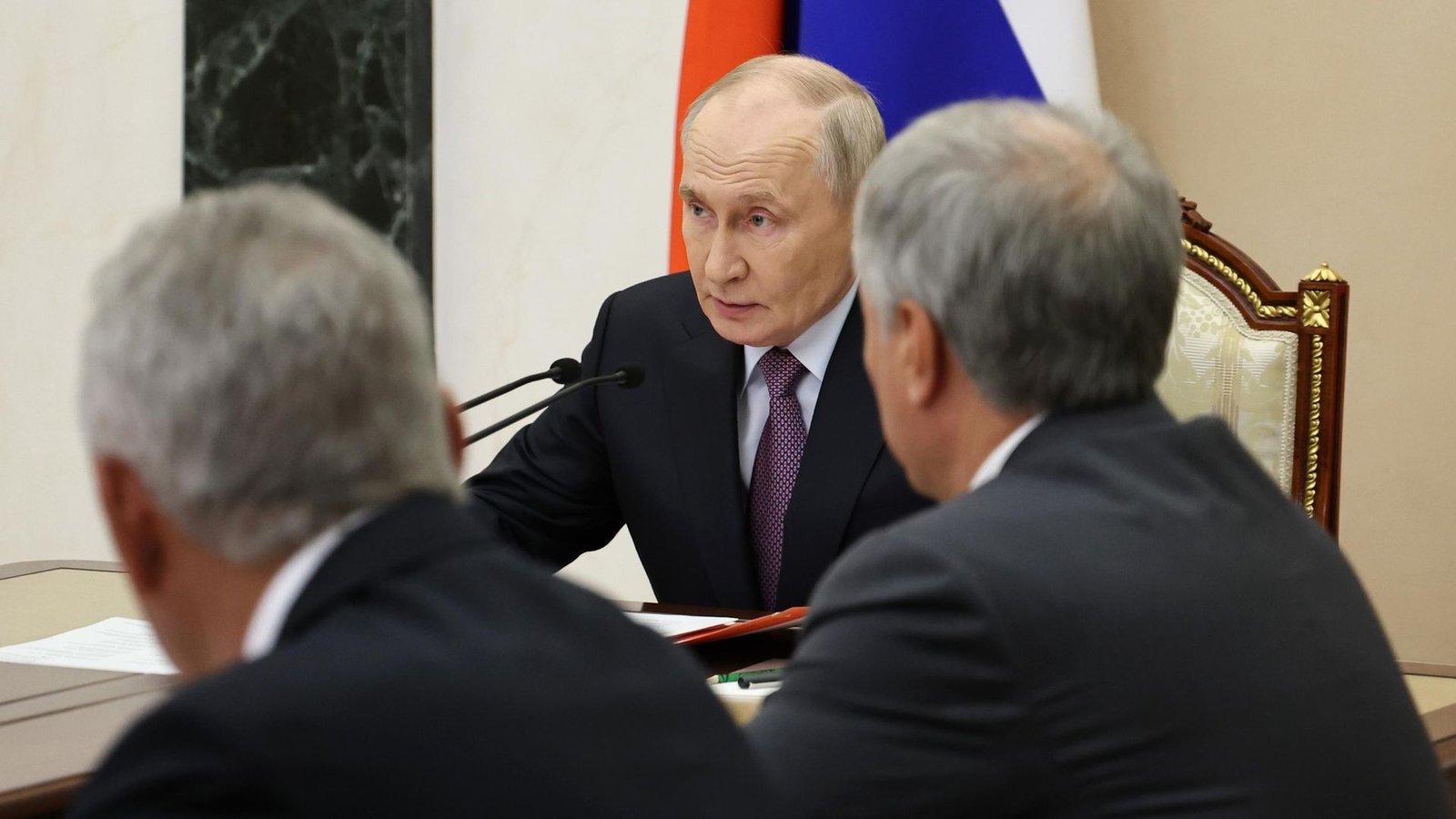

MOSCOW – The phone call between Vladimir Putin and Mohamed bin Zayed Al Nahyan on Friday placed Russia at the center of a day of intense diplomatic activity across the Persian Gulf region. Putin, the Kremlin said in a statement, called the UAE president to discuss “in great detail the current situation in the Persian Gulf zone.” Both sides “emphasized the importance of reaching agreements on the normalization in the Persian Gulf region as soon as possible.”
The language was diplomatic shorthand, but its urgency was plain. The Gulf has spent the past several months absorbing the shock of a US-Iran war that began with coordinated strikes in February and arrived at a fragile ceasefire in June, brokered not by Washington’s Western allies but by Pakistani and Qatari mediators. Subsequent negotiations stalled over disagreements on maritime security and navigation rights through the Strait of Hormuz, and the question of what a durable arrangement for the waterway looks like has kept major regional and external powers in intensive contact ever since.
Russia’s interest in that contact is not incidental. Moscow maintains working relationships with Iran, which it has supplied with military technology and to which it is bound by a strategic partnership, and simultaneously with the Gulf monarchies, which have declined to join Western sanctions campaigns against Russia. That dual footing gives Moscow access that the United States currently cannot claim: Washington cannot easily serve as mediator between parties when it has been bombing one of them.
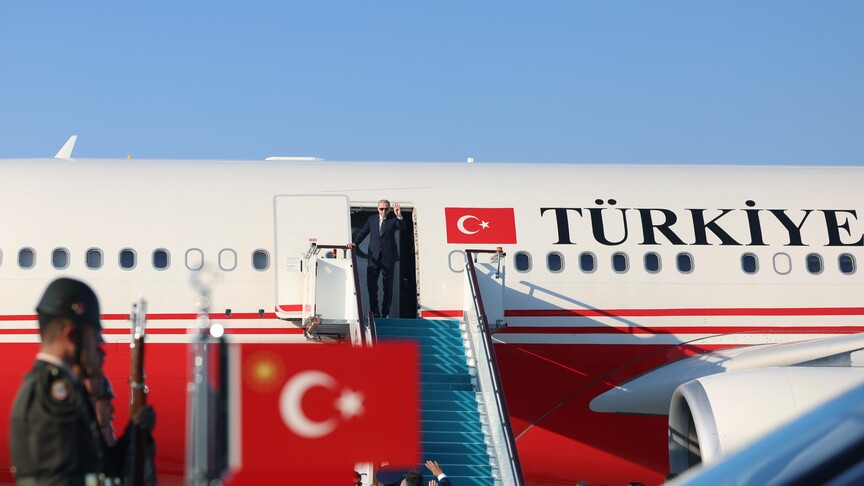
The same Friday saw Turkish President Recep Tayyip Erdogan arrive in Jeddah for a working visit that produced a trilateral defense agreement between Türkiye, Saudi Arabia, and Pakistan, signed in the presence of all three leaders. Saudi Crown Prince Mohammed bin Salman also held a separate phone call with French President Emmanuel Macron, Anadolu Agency reported, covering ongoing regional developments and “ensuring security and freedom of maritime navigation.” The simultaneous diplomatic activity pointed toward a new regional order being assembled in real time, with multiple competing frameworks advancing at once.
US air strikes against Iran were paused in late July as what the administration described as “parameters of a deal” took shape. Whether that pause has produced lasting diplomatic progress remains unclear. What has been documented is a munitions shortfall affecting American Iran war operations that constrains US military options precisely as diplomacy is at its most active. A power whose operational capacity is limited has less freedom to walk away from a negotiation it does not like.
The UAE’s decision to engage Russia directly on Persian Gulf security, at a moment of American pressure on Gulf states to align more closely with Washington’s position, reflects Abu Dhabi’s consistent foreign policy logic. The emirate has spent years cultivating strategic autonomy: hosting talks between parties that refuse to meet each other directly, maintaining trade relationships with governments under Western sanctions, and treating geopolitical alignment as a cost to be avoided wherever possible. UK and France had already declined to join American Hormuz patrols in late July, signaling their private doubts about the direction of the conflict. The UAE’s engagement with Moscow on Friday signaled the same independence through a different register.
What the Kremlin statement did not provide was any detail about what normalization would concretely require, what role Russia might play in achieving it, or whether the two leaders discussed any specific mechanism for addressing the Strait of Hormuz question. Those gaps are the real substance of the conversation, and they are unlikely to be resolved through a readout. Whether Russia is positioning itself as a genuine mediator or as a diplomatic actor marking its relevance in a conversation it wants to influence without committing to a specific outcome will become clearer as the broader negotiation unfolds.
The Gulf states are watching that process closely. The Strait of Hormuz remains the world’s most consequential waterway, and no settlement of the Persian Gulf question can hold without a durable arrangement for its navigation. Every phone call and diplomatic arrival on Friday was, in one way or another, about who gets to shape that arrangement.