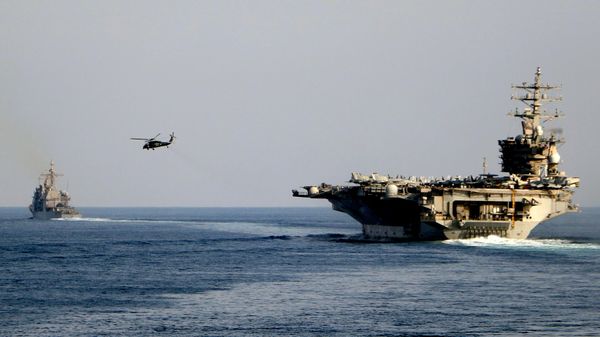

LONDON — Britain and France are declining to join the United States in patrolling the Strait of Hormuz until a durable ceasefire is established between Washington and Tehran, Politico reported Wednesday, citing officials. The refusal exposed a rift between Washington and its two most capable European military partners over risk-sharing in a mission that follows from decisions in which those partners had no part.
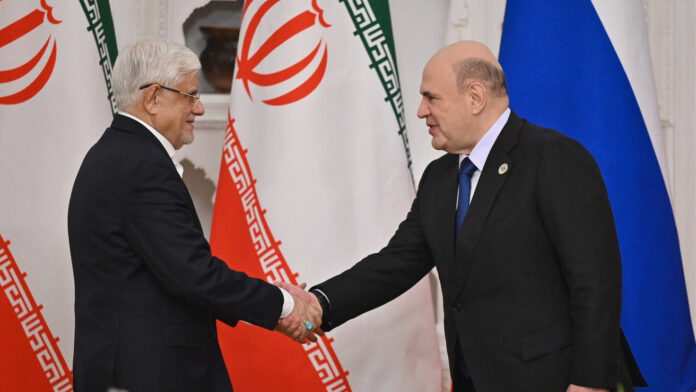
US Secretary of Defense Pete Hegseth raised the Hormuz patrol initiative with his British counterpart, Wes Streeting, in a phone call last Friday. Catherine Vautrin, France’s armed forces minister, joined a subsequent conversation on Monday. No agreement was reached.
American and British officials intend to convene an international conference in London to work out the operational details of any joint patrol: which warships would be assigned, whether the mission would be mine-clearing or convoy protection, and who would exercise command. Politico described progress as insignificant and said no immediate breakthrough was expected.
The political logic of European reluctance was not difficult to reconstruct. The United States conducted strikes on Iran beginning in February without advance warning to its European allies. Britain and France learned about military decisions of direct consequence to their own security from outside the deliberation that produced them. They are now being asked to share operational risk in a mission that flows from a decision they were excluded from making, in a theater where the underlying conflict remains unresolved.
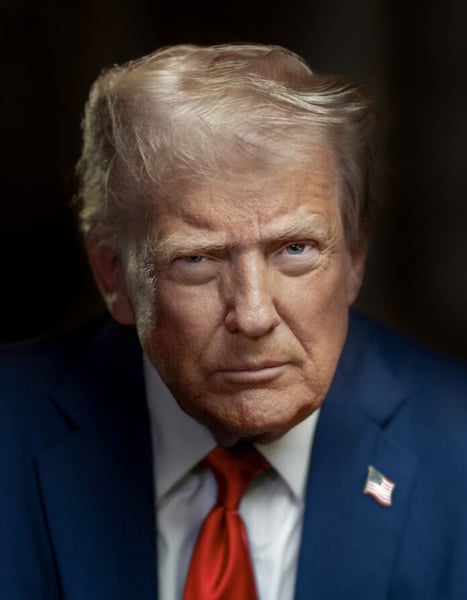
On July 8, President Donald Trump declared the ceasefire reached with Iran on the night of June 18 no longer in effect. Since that declaration, American forces have carried out several strikes on Iran. The collapse of the ceasefire removed the operational premise for any coalition patrol: the assumption of a stable enough environment to protect civilian shipping without forces becoming combatants themselves.
Iran’s strategic position at the Strait of Hormuz, the narrow passage through which roughly 20 percent of global oil and liquefied natural gas moves, has created an effective blockade since the escalation intensified. Fuel prices have risen in most countries. Industrial supply chains dependent on energy price stability are absorbing costs that have not yet fully passed through to consumers. The economic urgency of reopening the strait is what drove the American proposal. Britain and France had earlier co-signed a joint statement with Oman pledging maritime safety in July, dispatching minehunters and frigates to the strait when the ceasefire was in effect — the conditions Britain and France have set for rejoining it are what the proposed London conference has not resolved.
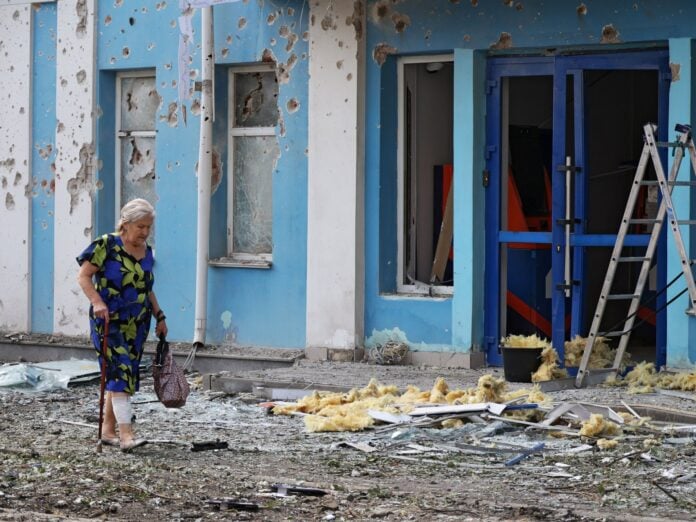
The Iran dimension is the complicating element. Iran fired missiles at US forces in Jordan on Wednesday as Israeli Prime Minister Benjamin Netanyahu met President Trump at the White House, breaking what had been a brief five-day pause in exchanges between American forces and Iranian-backed militias. The situation on which British and French participation was conditional, an enduring ceasefire, was not present on the day their position was reported.
Whether the London conference produces agreement depends on whether it can answer a prior question neither government has publicly addressed: what constitutes a ceasefire sufficient to satisfy European conditions for joining the patrol, and what sequence of events between Washington and Tehran would produce it. Hegseth’s conversations with Streeting and Vautrin were described as inconclusive. A multilateral conference with additional nations would need to produce something that a three-way phone call did not. Britain and France have made clear what they want first. What comes before that remains open.