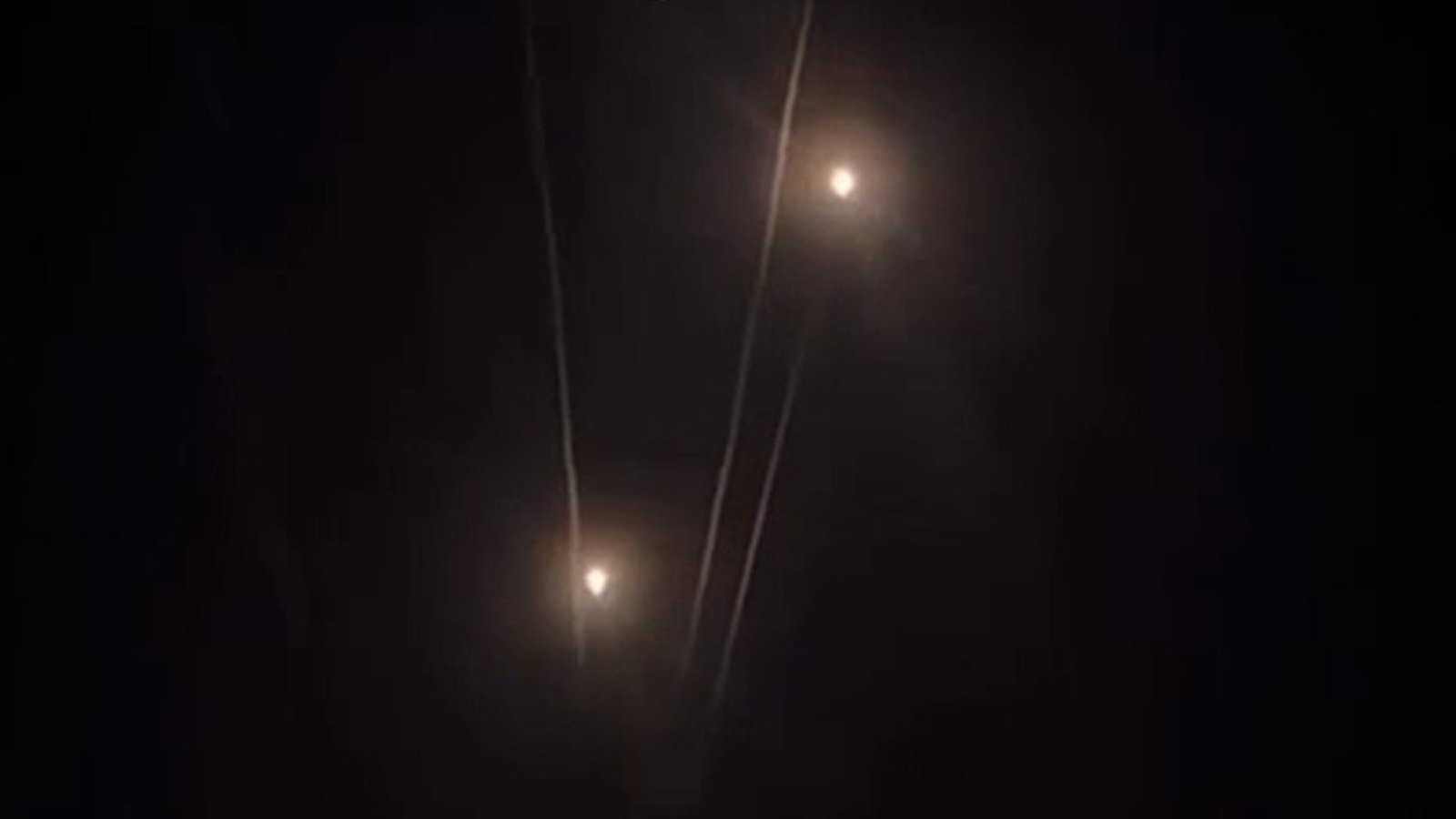

AMMAN – The Islamic Revolutionary Guard Corps fired a barrage of ballistic missiles at two US military installations in Jordan on Tuesday night, ending a five-day pause in hostilities and choosing a moment when Israeli Prime Minister Benjamin Netanyahu was in the middle of White House talks with President Donald Trump to do it.
US Central Command confirmed that American and Jordanian air defenses intercepted all missiles launched, but declined to specify how many projectiles were involved or which bases were targeted. Jordan’s military announced its own air defense systems had also engaged the incoming missiles. No casualties were reported in the immediate aftermath of the attack.
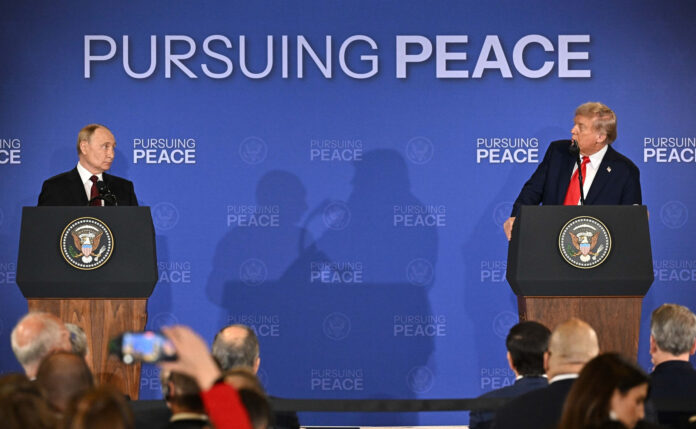
The attack landed late Tuesday local time, as Netanyahu was concluding what had been described as a lengthy and complex session at the Oval Office. That Netanyahu-Trump summit had focused on Israel’s demands regarding Iran’s nuclear program, possible Israeli participation in American military planning, and the terms of any broader regional settlement. The timing of the IRGC strike appeared deliberate: Iran chose to launch against US forces not during the comparative quiet of the preceding days, but at the precise moment its adversaries’ senior-most political leadership was in the same room.
Within hours of the Jordan attack, US forces and Saudi Arabia jointly struck Iranian-backed militia positions in Iraq. US Central Command described the retaliatory strikes as targeting Iran-backed infrastructure in western Iraq, without specifying which militia was struck or the scale of the operation. Saudi Arabia’s direct military participation marked a significant escalation of the kingdom’s visible role in the war, one that Riyadh had largely avoided through the earlier phases of the conflict.
The five-day pause that preceded Tuesday’s attack had been described by American officials as an informal de-escalation, though Iran never publicly confirmed agreeing to any such arrangement. The last confirmed Iranian missile strikes on US forces in Jordan had killed two American service members, an attack that drew one of the heaviest US retaliatory bombing campaigns of the entire conflict. Tuesday’s strike was the first direct attack on American military personnel in Jordan since that exchange.

Iran’s IRGC issued a brief statement describing Tuesday’s strike as a response to what it characterized as continued American occupational presence in the region. The statement warned that further operations would follow if the United States did not withdraw its forces from Jordan, Kuwait, and Qatar. No reference was made to the five-day pause or to the Netanyahu visit then underway in Washington.
For Iran, the strike carried a precise political logic. The Hormuz diplomacy had shown some movement in recent days, with Oman brokering a proposed framework involving voluntary shipping fees for transit through the strait. Iran had pushed back on the framework’s terms, demanding a greater share of control over the waterway. Al Jazeera reported that regional analysts described Tuesday’s attack as tied to that negotiating dynamic: Iran asserting military leverage at the moment it was being asked to make economic concessions.
Netanyahu’s arrival in Washington had been the most significant allied visit to the White House since the Iran war began. His agenda included not only Iranian military matters but the future of any nuclear agreement, the status of weapons transfers, and whether the United States would participate in or restrain potential Israeli strikes on Iranian nuclear facilities. Trump, speaking to reporters before the meeting, described the relationship as one of great friends but acknowledged that his views and Netanyahu’s on Iran’s nuclear future were not exactly the same.
The IRGC strike changed that conversation’s context without changing its location. Whatever ceasefire framework was under negotiation, Iran demonstrated on Tuesday night that it retains both the capacity and the intent to strike US military targets in Jordan at a moment of its own choosing. That message was directed less at the military installations themselves than at the political discussion underway in Washington.
For Trump, who had pulled back from a new Iran escalation only days earlier after senior US military commanders warned that sustained bombing was depleting munitions faster than they could be replaced, Iran’s precision strikes raised the same set of unanswerable questions that have defined the conflict since its third week: how long does this continue, at what cost, and toward what political outcome. The joint Iraq strikes suggested Washington’s calculation had not changed materially from the previous round.
Whether Tuesday’s attack opens a new sustained round of missile exchanges or is followed by another informal pause is a question neither government has addressed publicly. Iran’s stated ceasefire conditions remain incompatible with American requirements. The five-day lull ended without a framework, without a deal, and without any public agreement on what the pause was meant to accomplish or signal.