
LONDON — France has dispatched two minehunters and two frigates to the Middle East, with a maritime patrol aircraft flying cover overhead. Britain has co-signed a joint statement with Oman pledging to ensure the safety of its territorial waters. Six weeks after the United States and Iran signed a memorandum of understanding ending four months of open war, the project of actually reopening the Strait of Hormuz is only now acquiring a military shape.
The Strait carries roughly a fifth of the world’s traded oil through a passage barely 33 kilometres wide at its narrowest point. Iran mined parts of the approaches during the conflict. The ceasefire is real. The mines are still there.
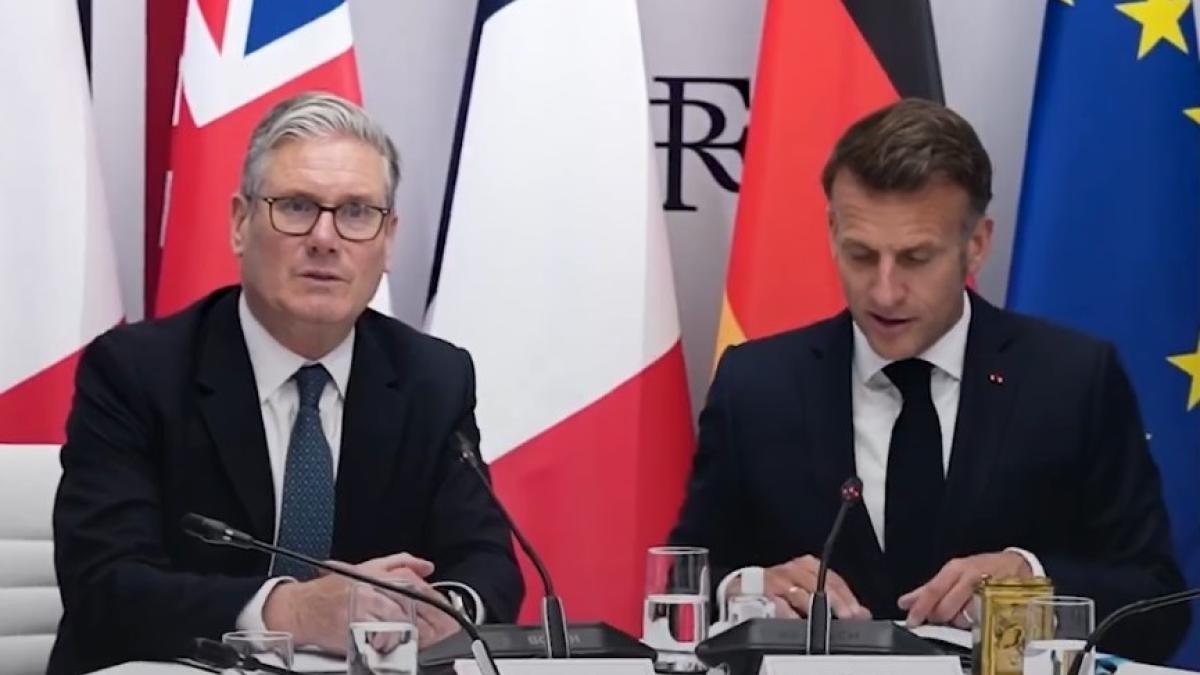
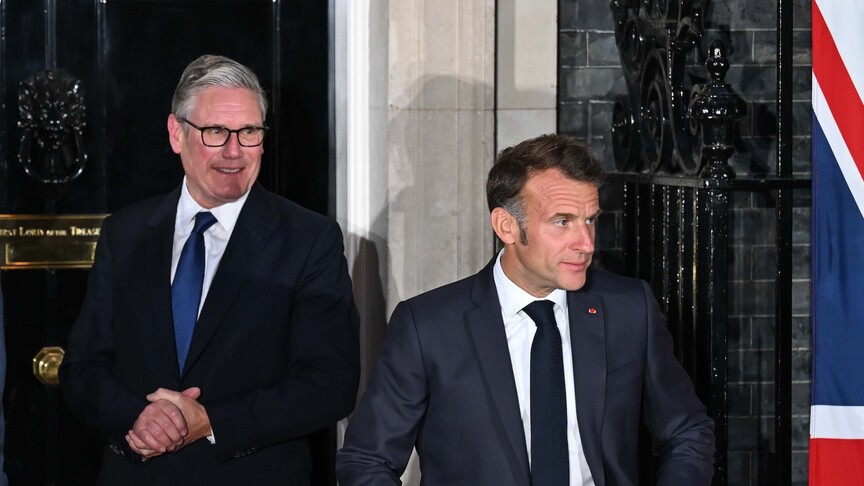
The joint statement, issued on July 3 by Britain and France alongside Oman, commits the two European powers to working with Muscat to keep its territorial waters navigable. It is a specific commitment at a specific moment: France is sending actual ships because the Hormuz passage cannot be certified safe until physical objects are removed from the seafloor, and no commercial insurer will underwrite the route until it is.
The scale of the force is notable. Accompanying minehunters with frigates signals that the operation is expected to run under conditions that are not entirely permissive. Mine countermeasures vessels are slow and lightly armed; frigates provide the security perimeter that makes the work possible. The deployment is not symbolic. It is a working naval operation in waters that were a combat zone less than two months ago.
Oman’s position in this arrangement is central to its design. Muscat served as the back-channel through which Washington and Tehran conducted the negotiations that produced the June memorandum, and Omani diplomacy has provided the neutral ground that allowed the ceasefire to hold. The UK-France statement frames Oman explicitly as a sovereign whose territorial integrity is being underwritten, not simply as a venue for Western naval operations. That framing is deliberate, shaped for an Iranian audience that has not yet responded publicly to the announcement.
Commercial shipping insurers have treated the Hormuz passage as uninsurable since Iran began its naval interdiction campaign. Tankers that previously transited the Strait have been rerouting around Africa’s Cape of Good Hope, adding three to four weeks to voyages and pushing freight costs to levels that have rippled through fuel prices in Europe and Asia. As CNBC first reported, the joint statement ties the mine countermeasures deployment explicitly to restoring the conditions that insurance markets require before they will resume covering Hormuz transits.
The deployment comes six weeks after Washington and Tehran signed the memorandum of understanding in Bürgenstock, Switzerland that formally ended the US-Iran conflict and opened a 60-day negotiating window. The MoU produced a ceasefire and opened the Strait in principle. It said nothing about who would verify the passage was physically clear. Britain and France are now answering that question.
The question neither the joint statement nor the French deployment answers is how Tehran will interpret European warships conducting mine countermeasures in waters Iran recently used as a military zone. Iran did not respond publicly to the announcement on Saturday. The Omani framing is presumably designed to address that ambiguity: the operation is described as supporting Oman’s sovereignty over its own territorial waters, not as a coalition correction of Iranian behaviour in international waters.
Europe’s posture toward the Hormuz crisis has been shifting in layers. The European Union applied its first-ever freedom-of-navigation sanctions against Iran in June, targeting individuals linked to Tehran’s maritime interdiction campaign. The UK-France deployment represents a different instrument: not economic pressure but physical mine-clearance, the prerequisite for any underwriter to certify the passage safe enough to insure again.
Oman’s role as a diplomatic anchor between the West and Iran is not new. Muscat maintained relations with Tehran through years of maximum sanctions pressure and served as the conduit for several rounds of nuclear negotiations before the conflict began. Its willingness to co-sign a statement with two European NATO members about its own territorial waters signals that the sultanate believes the post-ceasefire order is worth anchoring, and that it is prepared to bear whatever displeasure Tehran carries toward the arrangement.
Whether the mines are cleared before the 60-day negotiating window closes is a separate question from whether the negotiations succeed. The minehunters are heading toward a strait that is technically open, structurally fragile, and commercially paralyzed. The urgency is real. The certainty is not.