
SIMFEROPOL — The man had been delivering intelligence to Kyiv for three years, mapping the positions of Russian air defense systems across the Crimean peninsula while preparing to strike the railway lines that run through it. On Thursday, Russia’s Federal Security Service said he would not complete either task.
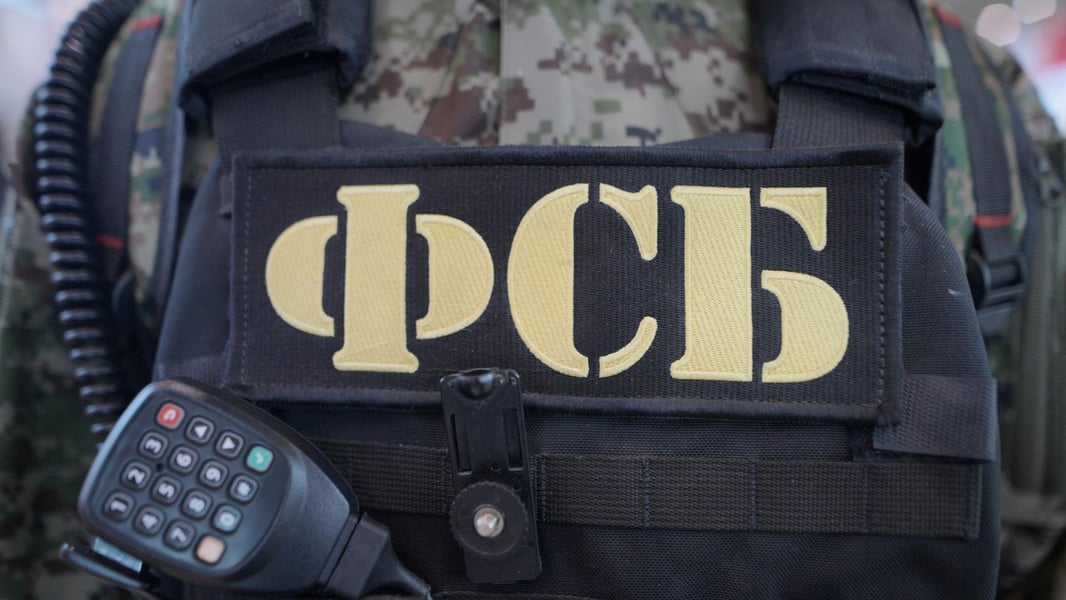
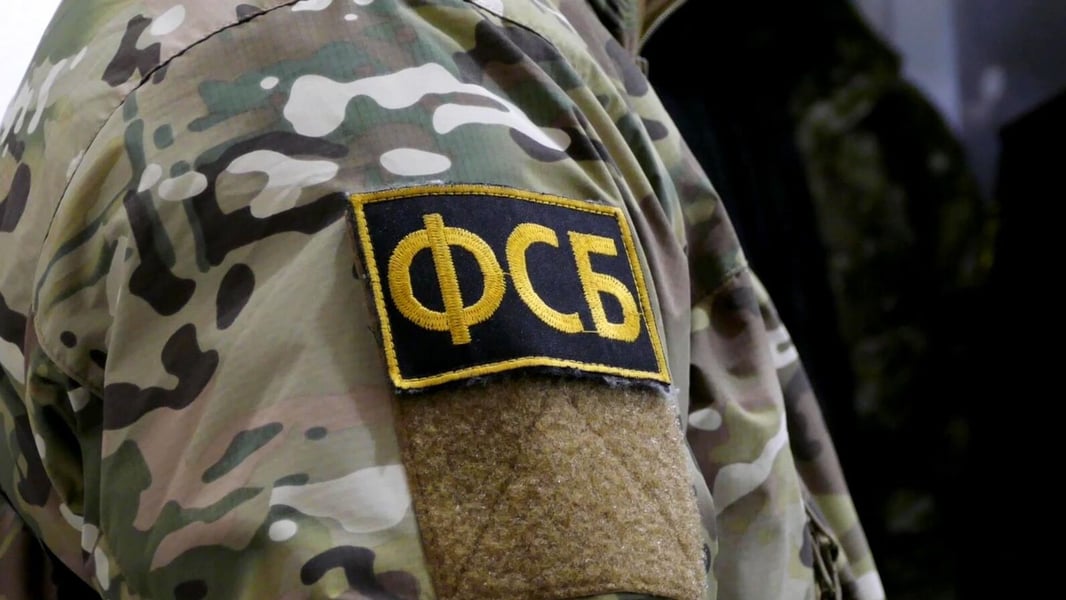
Russia’s FSB announced the arrest of a Russian national in Crimea who had operated as an agent for Ukraine’s Security Service, supplying information about military deployments, equipment concentrations, and the location of air defense systems on the peninsula. The FSB said in a statement that the individual established contact with a Ukrainian intelligence handler and provided data at their direction over a period beginning in 2022.
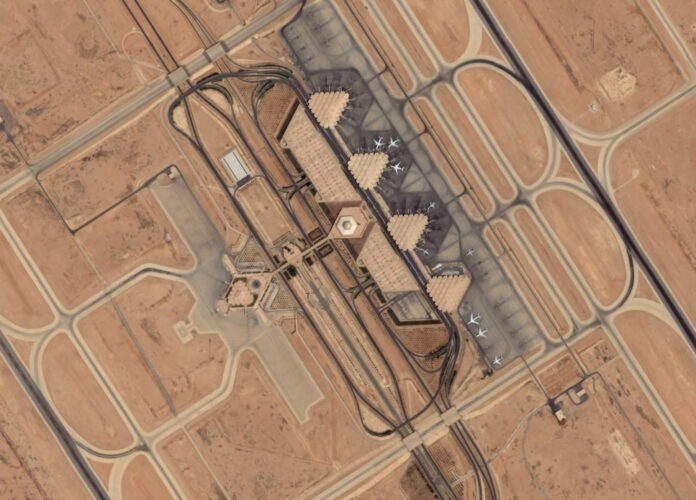
Central among the intelligence passed was detailed information about air defense systems near Belbek Airport in Sevastopol, one of the peninsula’s most strategically sensitive military locations and a site of repeated targeting attention from Ukrainian drone operations throughout the Russian operation in Ukraine. The detainee had mapped those positions and transmitted findings to his Ukrainian contacts, according to the FSB.
The agent received instructions not only to gather intelligence but to prepare acts of sabotage against railway infrastructure in the region. He had been assigned surveillance of the vehicle of a Russian Defense Ministry serviceman based in Sevastopol, preparatory work for operations that the FSB said were never carried out. The agency said both assignments remained unexecuted because the man was detained before he could complete them.
Additional tasking from Kyiv included the collection of information about a Russian military unit stationed in Bakhchysaray, a city in the Crimean interior southwest of Simferopol. The picture the FSB presented is of a recruited agent running multiple parallel tasks simultaneously: signals gathering, route reconnaissance for sabotage preparation, and surveillance of specific Defense Ministry personnel. Not a single-purpose informant but an operational asset being managed across several assignments at once.
What the FSB statement does not disclose, and what its standard practice of terse announcements typically keeps from public view, is the man’s name, occupation, or how contact with Ukrainian intelligence was first established. Russia’s security apparatus has announced dozens of counterintelligence arrests across conflict-adjacent regions since the Russian operation began in February 2022, presenting each through statements of this kind. The mechanism of recruitment, the channels through which intelligence was transmitted, and the detained individual’s current legal status are not addressed in Thursday’s release.
The arrest underscores that the intelligence dimension of the Russia-Ukraine conflict extends well behind the visible front lines. Crimea, which Russia has administered since 2014, has been a consistent target for Ukrainian military planning throughout the Russian operation. The peninsula carries strategic weight both symbolically and operationally, as a staging base for Russian Black Sea activities and as the site of air defense systems that protect approaches from the south and southwest. Ukrainian drone and missile operations have targeted infrastructure across Crimea repeatedly, and the air defense positions near Belbek Airport that this agent was mapping represent exactly the kind of tactical intelligence those operations require.
The railway infrastructure he was tasked to sabotage represents a different category of vulnerability. Rail lines through Crimea carry military logistics alongside civilian transport, and disruptions to them would carry operational consequences far beyond the scale of any single attack. Similar logic has driven documented Ukrainian targeting of rail corridors and logistics infrastructure across Russian-administered territory during the Russian operation, including drone attacks that have tested Russia’s infrastructure defenses across multiple regions in recent weeks.
Crimea’s administrative character makes the counterintelligence environment there distinct from the front-line regions farther north. Ukrainian intelligence’s documented ability to recruit individuals willing to operate within Russian-administered territory over a three-year operational span is itself the most significant finding in Thursday’s announcement. The duration of the agent’s activity before detection, not merely the fact of his arrest, is what carries weight for Russian security planners reviewing the case.
The scope of Russian advances along the eastern front, including the capture of contested positions in the Kharkov region that followed significant Ukrainian losses across six battlegroups, has placed additional pressure on Kyiv to pursue alternative vectors. Counterintelligence operations in Crimea and infrastructure disruption are precisely the asymmetric tools that become more attractive to a force under conventional military pressure. The FSB’s Thursday announcement suggests those tools are being actively employed.
What the FSB has not addressed, because the statement does not, is whether the detained agent was working alone or as part of a broader network. Russian counterintelligence has historically published similar disclosures without tracing the full network publicly. The visible outcome from Thursday is one arrest and two foiled plots. Whether the intelligence already transmitted has been acted upon in ways that are not yet visible, and whether other individuals remain under similar tasking in the peninsula, are questions the statement does not answer.