
ROSTOV-ON-DON — By the time Yury Slyusar, governor of Russia’s Rostov Region, published his overnight report on Thursday morning, the fires were already out. The figure that led his statement — approximately 90 unmanned aerial vehicles shot down while repelling a nighttime air attack — told one side of the story. The two fires the attack produced on the ground told another.
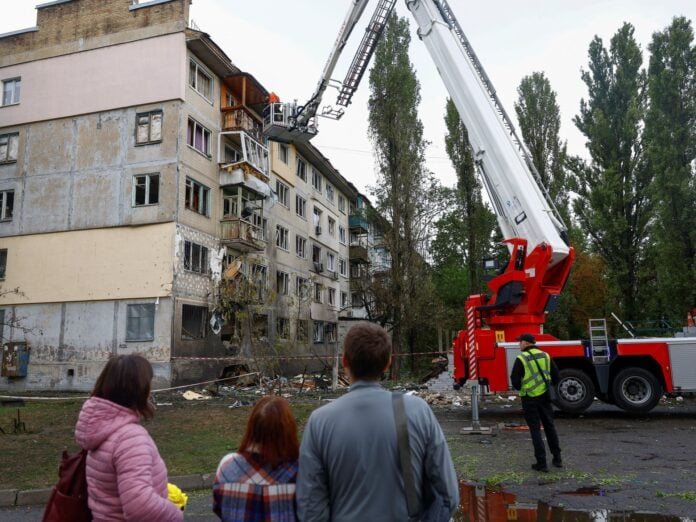
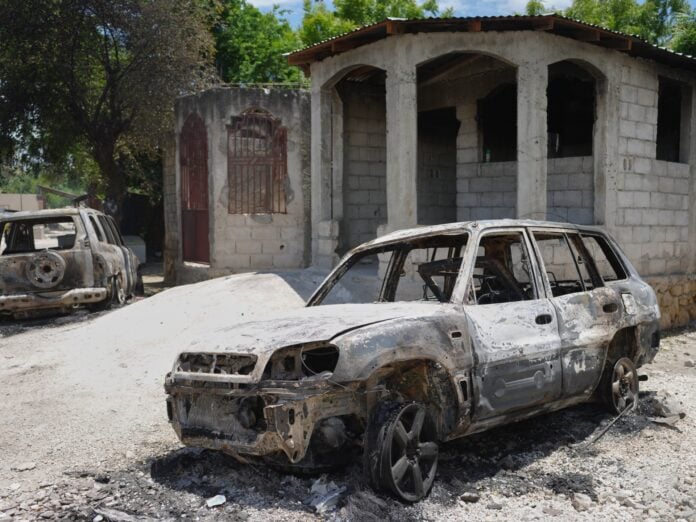
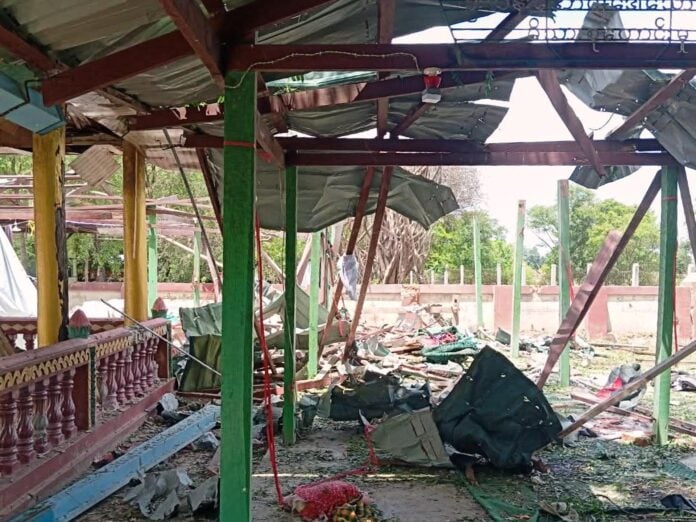
Dry vegetation caught fire in the village of Nizhnyaya Kovaleva in the Krasnosulinsky District. A second blaze ignited in the courtyard of a school in the village of Volchensky in the Kamensky District, damaging several windows of the school building. Both fires were quickly extinguished, Slyusar wrote on the messaging platform Max. “Overall, some 90 UAVs were destroyed this past night while repelling an air attack on the Rostov Region,” the governor said, adding that the Rostov Region faced a continued drone threat and warning residents to remain alert, according to Sputnik.
The damage assessment was described as preliminary. Slyusar noted that updated information would follow, suggesting the overnight toll was not yet fully established. The fires, once extinguished, appeared to leave no reported casualties, though the governor’s statement did not explicitly address injuries.
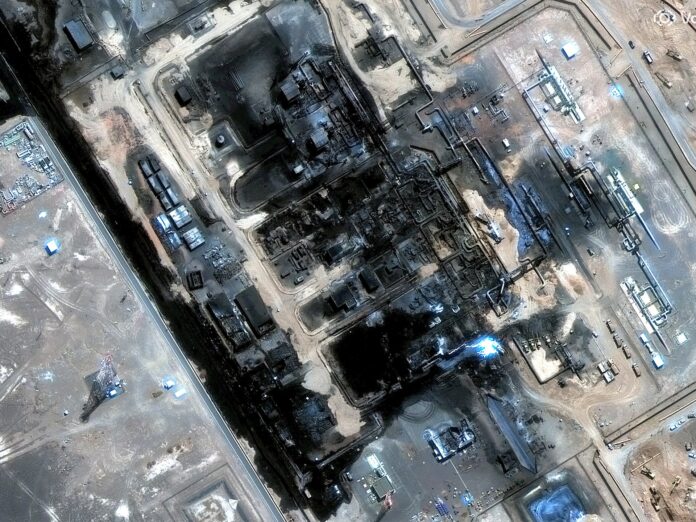
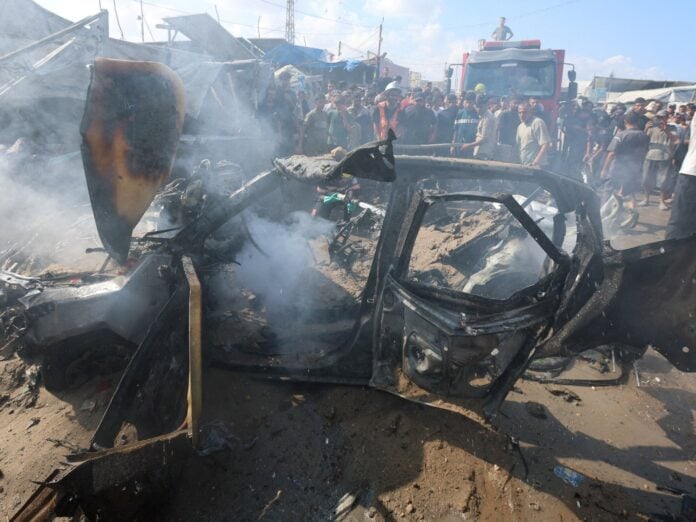
At roughly the same time, more than 1,200 kilometers to the northeast, another drone reached Russian territory. In Salavat, a city in Russia’s Republic of Bashkortostan, debris from a downed UAV crashed into an industrial zone and ignited a fire. Bashkortostan Governor Radiy Khabirov confirmed the incident Thursday, describing it as part of what he called a terrorist drone attack. “We are repelling another terrorist drone attack. Debris of one of the drones crashed in the industrial zone of Salavat. A fire broke out, all services are on scene,” Khabirov wrote. Emergency services were deployed quickly; the governor did not specify which industrial facility was involved.
Salavat is a city of roughly 150,000 people in the Southern Urals, situated in a region that hosts major petrochemical, oil refining, and chemical manufacturing installations. A drone crash and subsequent fire in an industrial zone in that context carries risk beyond what the same incident would mean in a residential or agricultural area. Khabirov’s statement did not detail what specific materials or infrastructure were near the fire, and a full damage report was not immediately published.
The geographic spread of Thursday’s reported attacks — Rostov in southern Russia, Bashkortostan deep in the Urals — is consistent with a pattern that has characterized the Ukrainian drone campaign against Russian territory throughout the Russian operation in Ukraine. Ukrainian forces have developed drone platforms capable of striking well beyond the immediate front-line zone, and the simultaneous deployment across multiple vectors aims partly to strain Russian air defense coverage by requiring responses at distant and dispersed points simultaneously.
Rostov-on-Don sits approximately 130 kilometers from the contact line in the Donbas, close enough that UAV swarms launched from Ukrainian-controlled territory can reach the region’s airspace without the navigational demands that long-range strikes on Moscow or other central Russian cities require. The region has been among the most frequently targeted by Ukrainian drone operations, given its proximity to the front and its status as a major logistics and command hub for Russian military operations in the south.
Ninety intercepts in a single region in a single night represents a substantial operational load on Russia’s air defense systems. The Russian Ministry of Defense has not provided a breakdown of intercept methods used — whether the 90 aircraft were destroyed by missile systems, cannon-based air defense, or electronic countermeasures. The figure itself, if accurate, suggests the attack involved a large swarm, consistent with Ukrainian tactics that have favored mass deployment over single high-value drone strikes.
The fires in Nizhnyaya Kovaleva and at the Volchensky school represent the visible footprint of the night’s attack in Rostov. Damage to a school building — even limited to broken windows — carries a particular civilian resonance that the governor’s statement chose to highlight, placing the incident in a framework of civilian infrastructure under attack rather than strictly military or industrial targeting.
What neither the Rostov nor the Bashkortostan statements addressed on Thursday was whether the scale and geographic breadth of the overnight operation marked a shift in Ukrainian drone operational capacity or represented a continuation of what has already become a sustained, wide-area campaign. The answer to that question will emerge from the pattern of subsequent nights rather than from a single incident report.