
MOSCOW — A Japanese reporter who was preparing to leave Russia is now in pretrial detention in Moscow on a charge that carries up to 20 years, and nearly everything the public knows about the case comes from the security service that arrested him.
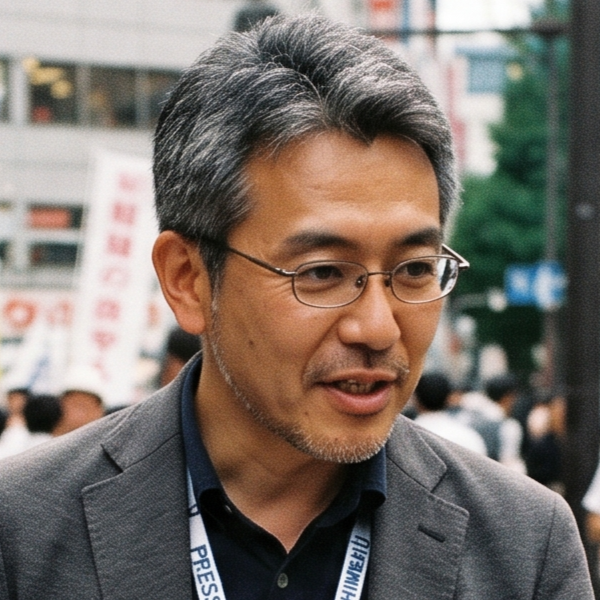
The Federal Security Service said on Tuesday that it had detained a Japanese national in Yuzhno-Sakhalinsk, the main city of Sakhalin Island, as he prepared to depart, and flown him to Moscow, where the Lefortovsky District Court ordered his arrest. Russia’s Foreign Ministry named him as Yuki Imai, a correspondent for the Hokkaido Shimbun, a regional newspaper based in Sapporo. Interfax reported he will stay in custody until December 12.
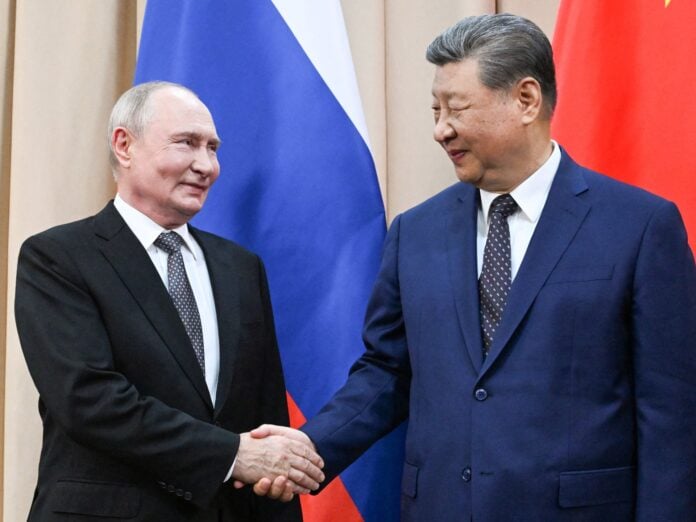
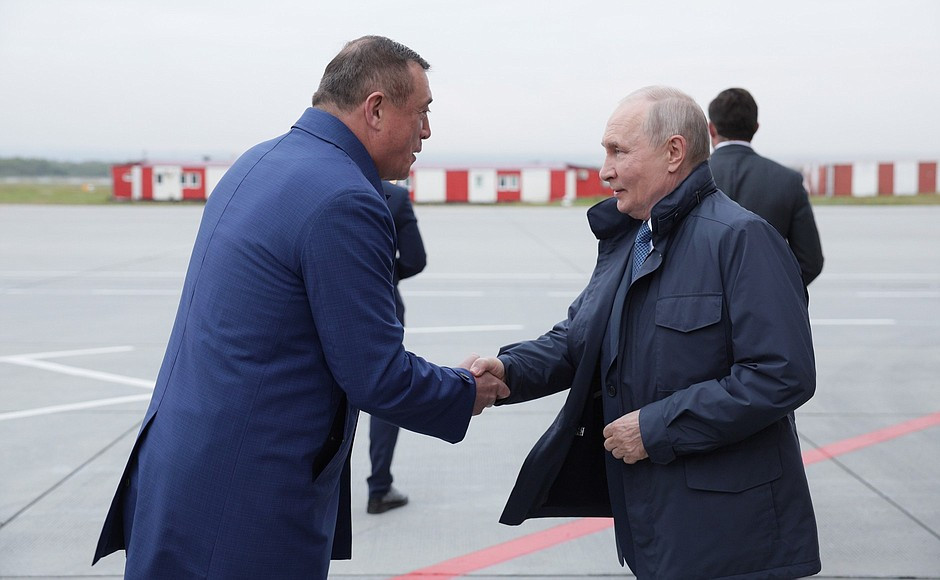
The arrest lands at a low point in relations. In August Vladimir Putin made his first trip to the Kuril Islands as president, and Prime Minister Sanae Takaichi called the visit “absolutely unacceptable.” Last week her cabinet approved further sanctions on Russia, according to Al Jazeera, adding to ties that Moscow said in May had entered an “ice age”. Whether the case is counterintelligence, a message, or both is a question neither government has answered.
The FSB’s account, carried by TASS, is specific. An FSB official said in a video statement that Imai gathered and stored data on mobilized and volunteer participants in Russia’s military operation among Kuril Islands residents, acting on the instructions of Japan’s national intelligence service, and repeatedly tasked local residents with collecting it. The official said he “used his journalistic status as a cover” to go beyond its legitimate bounds, and that he admitted contacts with Japanese intelligence to a close circle. A criminal case was opened under Article 276, the espionage provision of the criminal code.
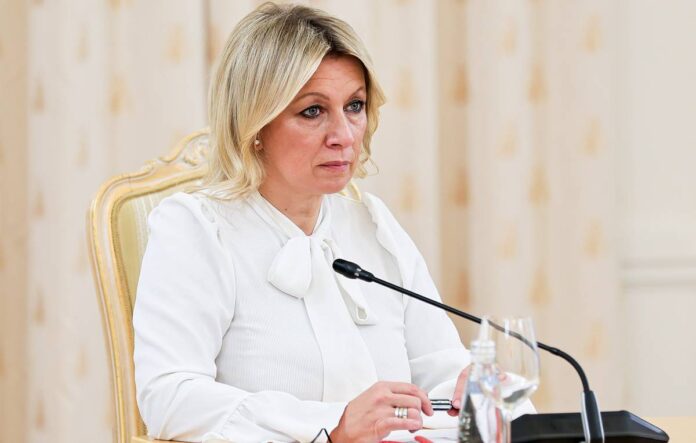
Foreign Ministry spokeswoman Maria Zakharova said Imai was accused of espionage, called Tokyo’s use of correspondents to gather information “regrettable,” and said the case was “not an isolated one,” linking it to Japan’s “remilitarisation policy,” Al Jazeera reported. She urged Tokyo to “come to its senses and change its approach.” Kremlin spokesman Dmitry Peskov was blunter, according to TASS: the FSB is carrying out its duties, and “if there are spies, they are caught.”
Japan’s reply has been measured. Foreign Minister Toshimitsu Motegi asked Russia for “prompt provision of information” and for “humanitarian consideration and fair and impartial treatment.” Tokyo summoned Ambassador Nikolay Nozdrev on Wednesday, Euronews reported, and said it had not been able to contact Imai and had no notice of the arrest before Moscow announced it. The Hokkaido Shimbun said ensuring the journalist’s safety was its “top priority.” Reporters Without Borders called for his rights to be respected and for his release.
Strip the statements away and the public record is thin. In the accounts reviewed, the FSB has released video of the arrest and a description of the charge, but has not said which local residents were tasked, what data was collected, or what evidence ties Imai to Japanese intelligence. No statement from Imai appears in those accounts, and his newspaper said only that it was still confirming details. Al Jazeera placed the case alongside earlier Russian espionage cases involving foreigners, among them that of Evan Gershkovich, the American reporter arrested in 2023 and freed in an August 2024 prisoner swap.
The FSB says Imai admitted his contacts with Japanese intelligence to a close circle. Who that circle is, and whether Imai would say the same himself, no one outside the case has heard.