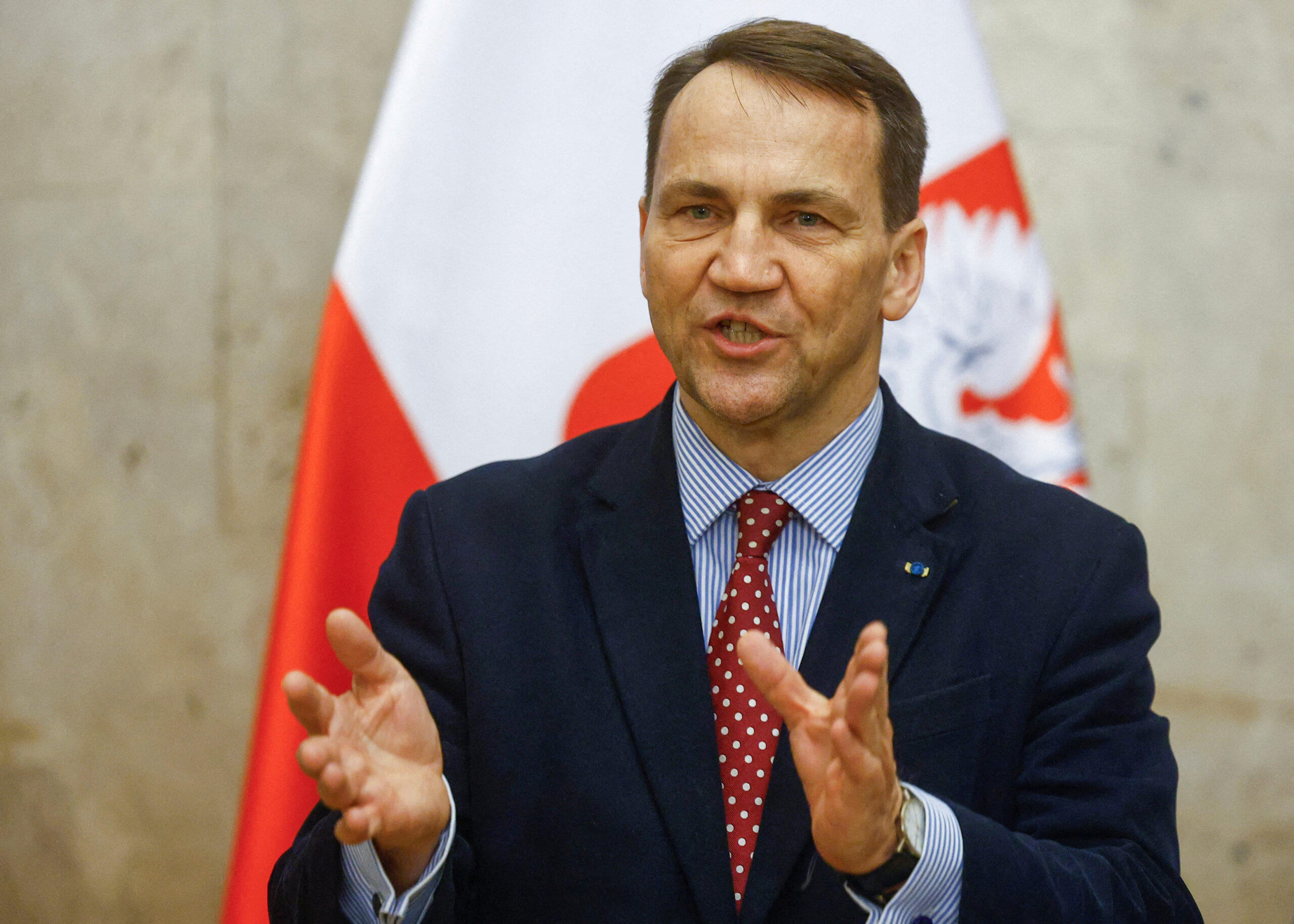

WARSAW — Poland has no immediate plans to expel Russia’s ambassador despite a dispute over alleged violations of its airspace, Foreign Minister Radoslaw Sikorski said Wednesday, leaving diplomatic channels open after Warsaw formally protested to Moscow.
Sikorski told Polish radio, “We are not going to do that for now.” His qualification stopped short of ruling out a later expulsion.
The decision follows the Poland missile crashes reported on November 20. Warsaw blames Russia, while Moscow rejects the allegations. Polish officials defending continued diplomatic contact have pointed to the consequences for Poland’s own representatives and citizens in Russia.
Russian Ambassador Georgy Mikhno was summoned to the Polish Ministry of Foreign Affairs on Tuesday and handed a strongly worded diplomatic note, ministry spokesman Maciej Wewior said. Polish Radio’s account of the summons reported that Mikhno denied Russian involvement and said no convincing, verifiable evidence had been presented to establish the objects’ origin.
The initial account from Defence Minister Wladyslaw Kosiniak-Kamysz described two missiles and a drone. Wewior subsequently referred to three Kh-101 cruise missiles and said Polish prosecutors had established their Russian origin. Those are the Polish authorities’ findings as publicly described by the spokesman; Mikhno disputes the attribution.
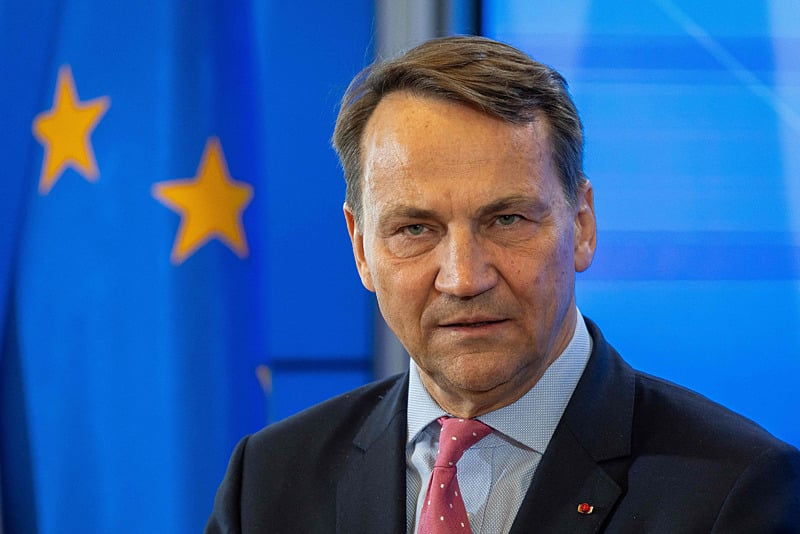
Wewior said diplomacy offered several levels of response. He also reminded reporters that Poland has an ambassador in Russia, urging caution over proposals to expel Moscow’s representative.
Deputy National Defence Minister Stanislaw Wziatek made the case for retaining contact in a separate radio interview. TASS quoted Wziatek as saying, “Not severing diplomatic contacts is key.” He warned that Russia could retaliate against Poland’s ambassador and disrupt the work of its diplomatic mission.
Tomasz Siemoniak, the minister coordinating Poland’s security services, likewise stressed reciprocity in an interview reported by Polish Radio. He said maintaining an ambassador in Moscow mattered to Poles living and working there.
The latest confrontation follows earlier reductions in consular ties, including Poland’s closure of the Russian consulate in Krakow in May 2025. Retaining an ambassador does not resolve the present disagreement over the airspace incident.
The accounts reviewed do not include the full forensic findings underlying Poland’s identification of the objects.