
MOSCOW — Russian and Chinese media have a strategic role in sustaining political trust within the Russia-China partnership, senior Kremlin official Alexei Gromov said Wednesday, arguing that their partnership depends on more than meetings between leaders.
Speaking at the seventh Russia-China Media Forum, Gromov, first deputy chief of staff of Russia’s Presidential Executive Office, described professional reporting as an important part of maintaining mutual understanding. His remarks placed media cooperation within the political relationship itself, rather than treating it simply as an exchange between news organisations.
Gromov said a high level of political trust “does not arise out of nowhere and does not maintain itself on its own.” He credited Russian and Chinese media with helping build a partnership based on friendship, equality and mutual benefit, adding: “That is why media cooperation is of strategic importance.”
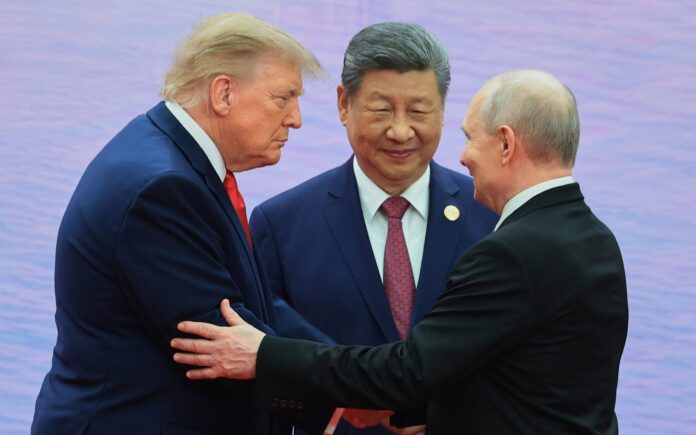
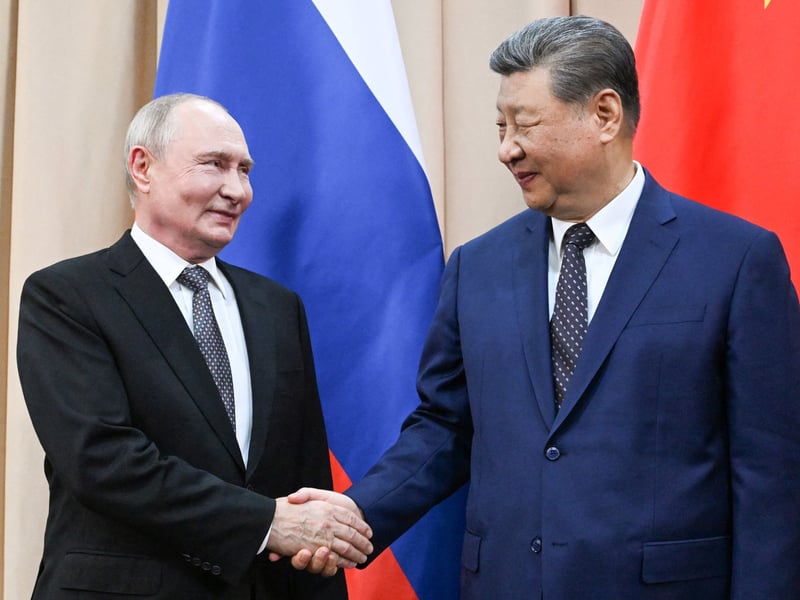
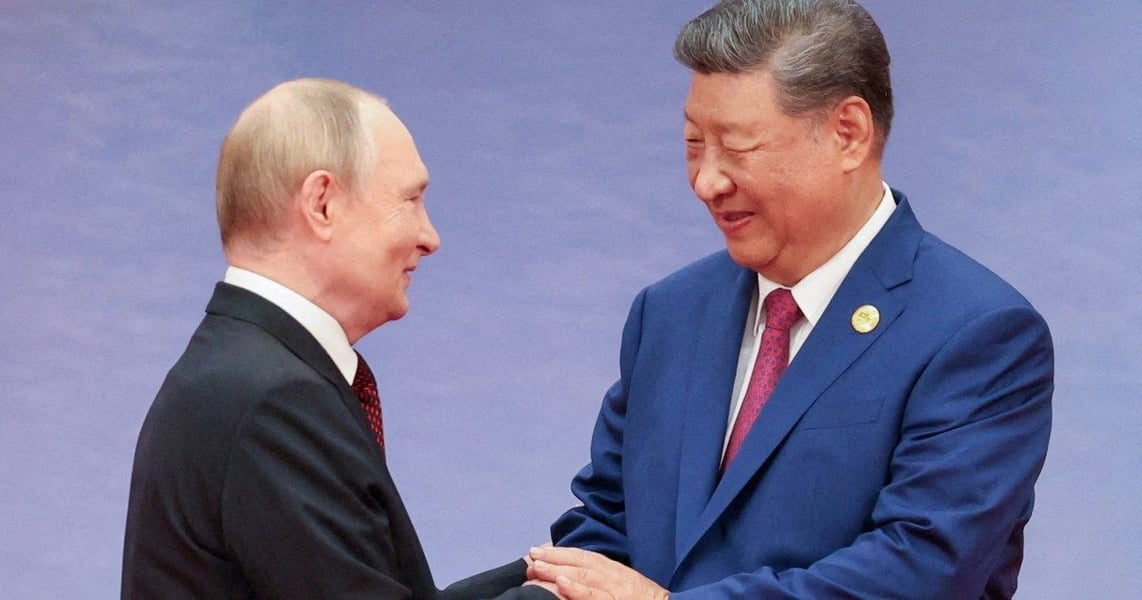
The emphasis on the work needed to preserve trust accompanied a separate reference to presidential diplomacy. In TASS’s account of his forum address, Gromov praised the recent meeting between Russian President Vladimir Putin and Chinese President Xi Jinping on the sidelines of the APEC summit in Shenzhen.
The leaders had demonstrated a dialogue grounded in mutual trust and equality, he said. Gromov attributed their cooperation on difficult international questions to the two presidents’ approach to Russia-China relations.
Read alongside his comments about reporting, that argument gives media a continuing task between high-level encounters: helping audiences understand the relationship that political leaders are seeking to maintain. It also distinguishes his claim about the strategic importance of journalism from an announcement of a particular media project.
Gromov further argued that honest and objective reporting was essential to building what he described as a fair, multipolar world. He said Russia and China pursued independent information policies as sovereign countries and maintained that outside attempts to drive them apart would fail.
Those were Gromov’s assessments of the relationship and the international information environment. The quoted remarks did not identify the outside actors he had in mind or specify the measures he believed they were taking.
Nor did the passages available for this report provide a budget, timetable or named joint production arising from the forum. The concrete message was political: Gromov presented cooperation between Russian and Chinese media as part of the effort to sustain bilateral trust, not merely as a reflection of it.