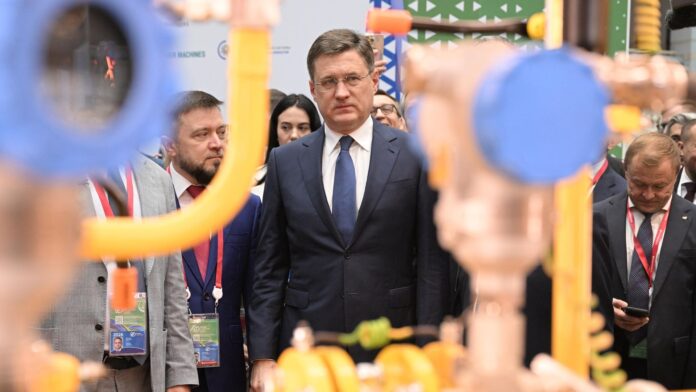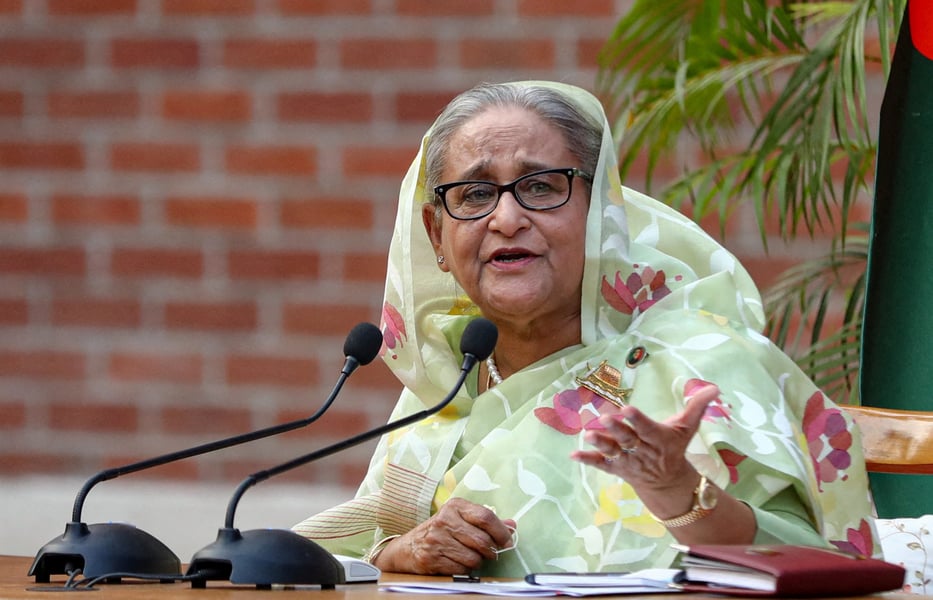

MOSCOW – Two days before OPEC+ ministers meet to set the alliance’s course for 2027, one of its two senior partners says he has heard nothing about plans by Iraq or Venezuela to leave. Russian Deputy Prime Minister Alexander Novak told reporters on Friday that he had “not heard about it” when asked about a possible exit by either country.
Asked separately whether he was in a good mood before the OPEC+ meeting scheduled for November 29, Novak answered with a single word: “Yes.” The two replies are brief, and neither amounts to a denial that the idea is being discussed elsewhere. Not having heard of a plan is a narrower claim than saying no plan exists.
The question carries weight because the alliance has already lost a heavyweight this year. The United Arab Emirates left OPEC and OPEC+ on May 1, and the producer group now counts 11 member states, according to TASS. The UAE’s crude exports have since climbed toward 2017 highs outside the quota system. A further departure by a founding member would test a bloc that is trying to agree its rules for next year while the Middle East war disrupts exports from several of its Gulf members.
Novak’s own agenda for Sunday is technical. On Wednesday he told reporters that OPEC+ will review the state of its assessment of each member’s maximum production capacity and plans to finish that work by the end of the year. “We will see what the status of this work is at the meeting,” he said, according to TASS. The exercise rests on a mechanism the alliance agreed in 2025 to set baseline output levels for 2027.
That mechanism is where the tension sits. Interfax reported on Thursday, citing media reports, that Kazakhstan and Iraq are asking OPEC+ to raise its estimates of their production capacity. The underlying account relies on unnamed sources, and the full text of the Interfax item is behind a subscription wall, so the size of the gap between Baghdad’s figure and the assessors’ figure could not be confirmed from the sources reviewed here.
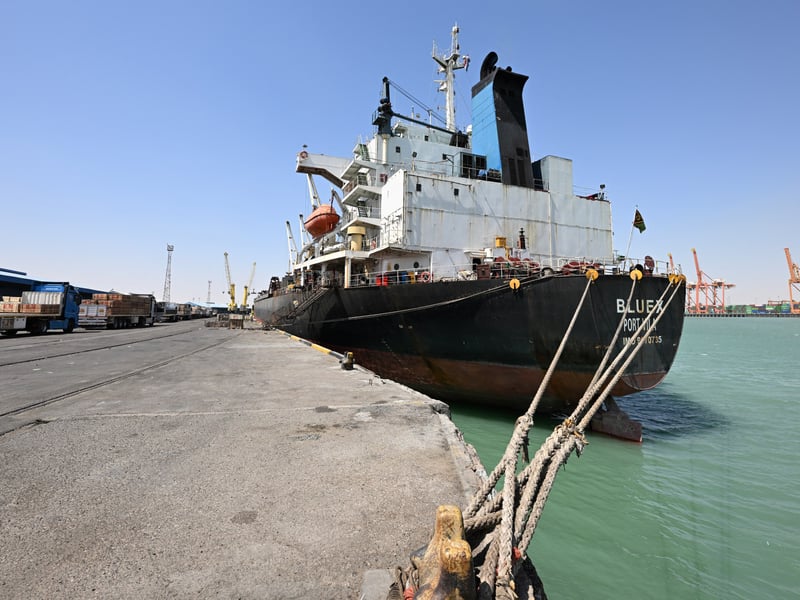
In June, TASS relayed a report by Shafaq News, which cited Iraqi government sources, saying Baghdad was considering withdrawal from OPEC if the group rejected its request for a bigger quota. The same report said oil accounts for around 90 percent of Iraqi government revenue and that about 95 percent of Iraq’s crude exports pass through the Strait of Hormuz, which was closed during the war waged by the US and Israel against Iran. Those numbers explain the urgency in Baghdad. They do not show that a decision has been taken. The IMF’s October outlook also forecasts Iraq’s economy shrinking 16 percent this year, on an assumption that Hormuz reopens only in March 2027.
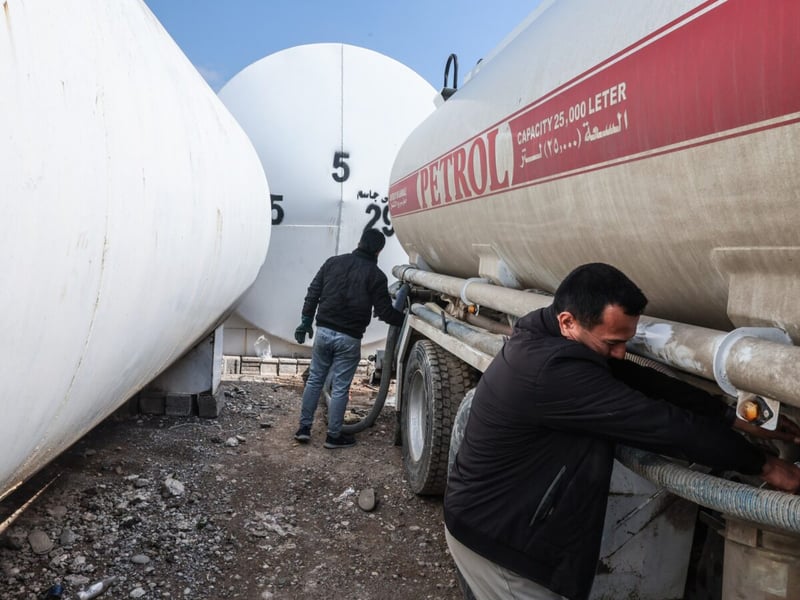
By late August, TASS was relaying a Bloomberg report that Caracas was seriously considering leaving OPEC and had discussed the idea with US officials, though a final decision had not been made. In April, TASS had also carried a Globe and Mail column predicting that Venezuela could follow the UAE out of the group. Both items were anonymous-source reporting or commentary, and the sources reviewed for this article contain no formal withdrawal notice from Caracas.
Reuters Business posted an exclusive on X on Friday morning that touches the same question, and the post is embedded below. The Eastern Herald has not independently confirmed its claims.
Seen against that record, Novak’s phrasing reads as a diplomatic holding position. Moscow co-leads OPEC+ with Saudi Arabia, and a Russian official has little to gain from confirming or fuelling talk of defections two days before a ministerial session. He has cautioned that the Middle East conflict could drag on, and he has little reason to deny exit talk outright when two members are visibly pressing for better terms.
OPEC’s own statement of November 1 confirmed that the seven countries that had previously made additional voluntary adjustments, namely Saudi Arabia, Russia, Iraq, Kuwait, Kazakhstan, Algeria and Oman, would keep meeting monthly, with the next session on November 29. The calendar is clear even if the alliance’s direction is not.
For producers, the stakes are practical. Novak said in February 2025 that group quotas would stay in place until the end of 2026, which leaves little time to agree a successor, and members that have invested in new capacity have every incentive to argue that their baselines should reflect it. For consumers and traders, the immediate question is less about who leaves than whether Sunday produces a clear rule or another delay, a theme in OPEC’s October cut to its demand growth forecast.
Novak’s remarks do not settle either. Iraq and Venezuela are both founding members of OPEC, established in 1960, and both have been the subject of exit speculation this year. Neither government has been quoted in the sources reviewed saying that it intends to go, and Moscow’s deputy prime minister has now said he has not heard of such a plan.
What remains unknown is whether the subject will be raised in the room on Sunday, and by whom. The UAE’s exit was disclosed by its state news agency on April 28, three days before it took effect. Whether Baghdad or Caracas is preparing a similar announcement is a question that Friday’s two short answers did not address.