
When political unrest erupts, attention usually turns to the most visible signs of crisis: crowds in the streets, confrontations with security forces, emergency government meetings and rapidly changing political alliances.
Far less visible is the student sitting at home, waiting for an examination that may not take place, a university reopening date that remains uncertain or an internet connection that has suddenly disappeared.
The consequences can appear temporary. A school closes for several days. A university suspends lectures. An examination is postponed. Yet for students already navigating financial pressure, limited academic opportunities and fragile public institutions, even a brief disruption can reshape the course of a life.
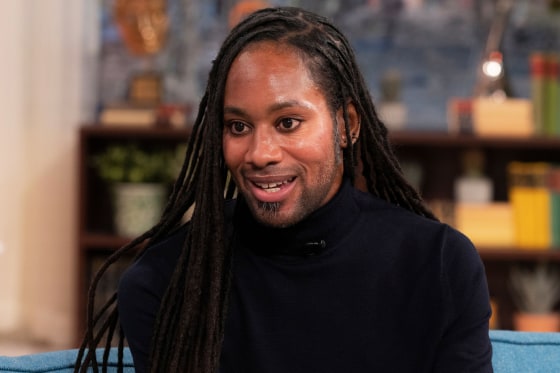
In a recent virtual interview, Kazi Mamun, director of the Global Justice Network, warned that the effect of political instability on education is too often treated as a secondary concern.
“International attention usually focuses on who is gaining power and who is losing it,” he said. “But behind every political crisis are students losing time, opportunity and confidence in the institutions that were supposed to protect their future.”
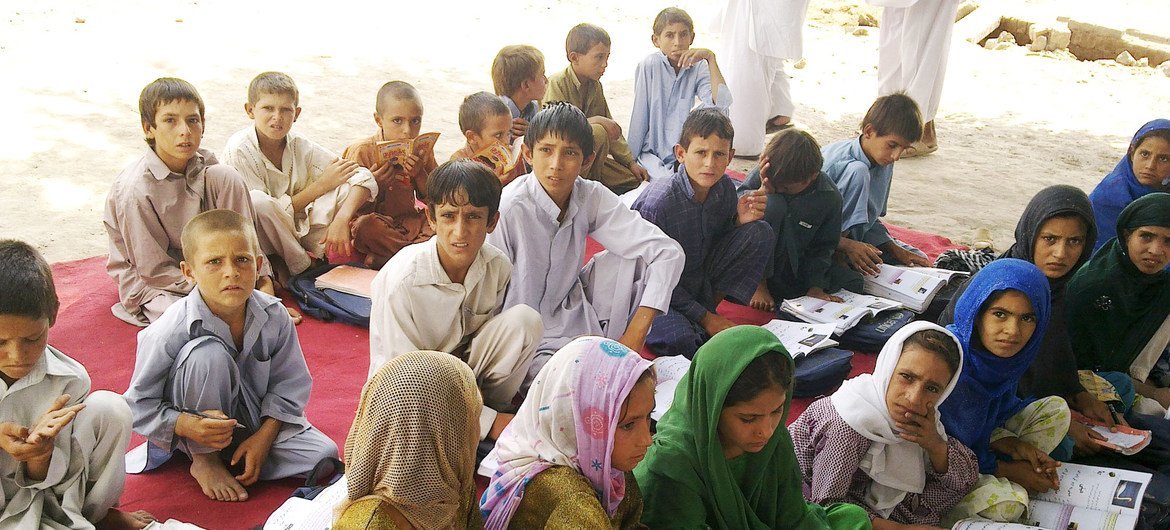
The pattern is familiar across countries experiencing mass demonstrations, disputed elections, civil unrest or violent political transitions. Transportation becomes unreliable. Campuses become gathering points for political activity or confrontation. Families become reluctant to send children to school. Teachers and students struggle to communicate, particularly when governments restrict internet access.
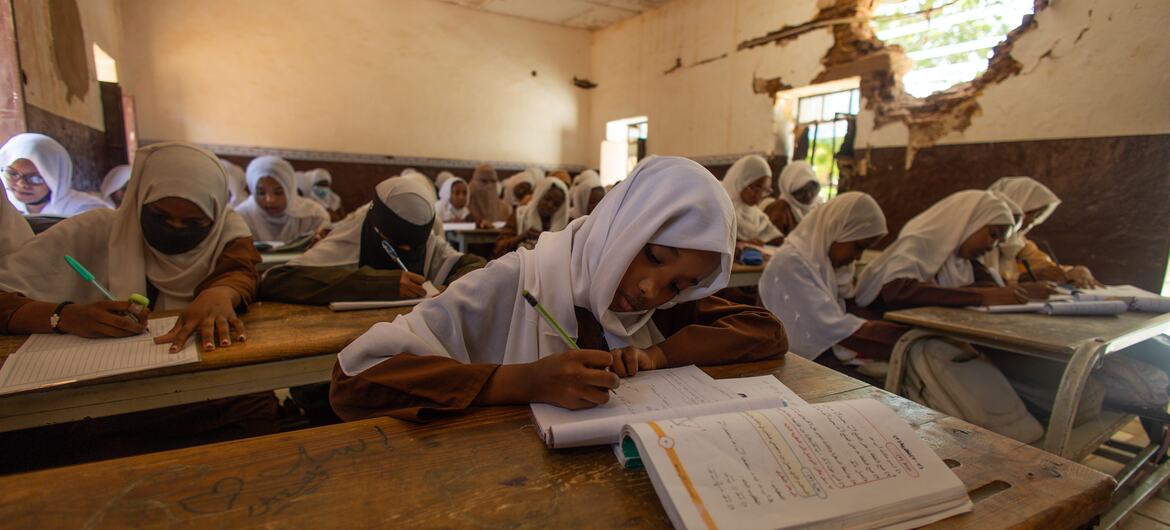
The disruption is rarely equal.
Students from wealthier families may continue through private tutoring, international schools, online programs or education abroad. Those from rural areas and low-income households are more dependent on public schools, government examinations and affordable transportation. When those systems falter, they have few alternatives.
A postponed examination can delay university admission. An interrupted semester can prevent a student from graduating in time to accept a job or scholarship. A family that can afford four years of tuition may not be able to finance a fifth.
For some students, temporary interruption becomes permanent withdrawal.
A crisis that continues after the streets clear
Political unrest is usually measured in days, weeks or months. Educational damage can last considerably longer.
Students who lose access to laboratories may be unable to finish research. Those preparing for national examinations may face months of uncertainty. Young people studying abroad may lose visas, scholarships or admission opportunities because documents and results were not issued on time.
Even after schools and universities reopen, normality may not return immediately. Academic calendars must be reconstructed. Examinations are compressed. Teachers rush through unfinished material. Students are expected to perform as though the disruption had not occurred.
The emotional consequences are equally difficult to calculate.
Education depends on routine, concentration and a basic sense of security. Political instability replaces those conditions with uncertainty. Students may worry about travelling to campus, the safety of relatives or whether another closure is imminent.
Mamun argued that governments and international institutions often recognize this damage only when an entire academic year is at risk.
“By the time the world begins discussing an education emergency, many students have already lost months of their lives,” he said. “The response must begin earlier.”
Internet shutdowns and invisible barriers
The increasing dependence on digital education has created another vulnerability.
Governments sometimes impose internet restrictions during periods of unrest, arguing that they are necessary to prevent violence, misinformation or political mobilization. But the same measures can prevent students from accessing lessons, communicating with teachers, submitting assignments or applying for scholarships.
A shutdown intended as a security measure can become, in practice, an educational blockade.
Remote learning is often presented as the answer to physical school closures. Yet it depends on electricity, reliable internet access, appropriate devices and a quiet place to study—resources that remain unevenly distributed.
Where those conditions do not exist, the shift to online education may deepen inequality rather than preserve continuity.
A call for international attention
The Global Justice Network is urging world leaders and human-rights organizations to treat prolonged educational disruption as an urgent rights and development issue.
Mamun called on international institutions to document school and university closures, examination delays, internet restrictions, violence affecting students and threats to academic freedom.
He also urged diplomatic missions, United Nations agencies and international human-rights organizations to raise educational access in their discussions with governments facing political crises.
“The international community should not wait until students have lost an entire year,” he said. “Education must be protected from the beginning of a crisis, not addressed as part of the cleanup afterward.”
Such intervention does not necessarily require taking sides in a political dispute. It can begin with demanding clear examination schedules, safe access to campuses, alternatives for affected students and narrowly targeted security measures that do not shut entire populations out of digital communication.
Governments have a responsibility to maintain public order. Citizens retain the right to peaceful political expression. Neither principle requires students to become collateral damage.
Political parties and protest movements also have responsibilities. Schools, universities and examination centres should not be treated as bargaining tools or strategic sites of confrontation. Students should not be pressured to participate in political campaigns, nor punished for remaining outside them.
Protecting more than classrooms
Education is often described as a long-term investment. During political unrest, it must also be treated as essential infrastructure.
A country can repair roads, government buildings and damaged public spaces. Recovering lost academic years is more difficult. Students age out of programs. Families exhaust their savings. Scholarship deadlines pass. Confidence in institutions declines.
The eventual cost appears not only in schools, but in unemployment, migration, social frustration and the shortage of trained professionals.
The world tends to notice political crises at their most dramatic moments. Television cameras arrive when protests intensify and depart when the streets become quieter.
Students remain after the cameras leave, attempting to rebuild academic lives interrupted by decisions in which they often had no voice.
Protecting their education will require more than expressions of concern. It will require early intervention, transparent planning and recognition that access to learning is not a privilege to be suspended whenever politics becomes unstable.
Political crises eventually pass. The time taken from a generation of students may not.
Related Posts