
QUSRA, occupied West Bank — For 21 consecutive days, Loui Abu Ridi has not slept through a night. Settlers have been circling. The Israeli military installed gates on the roads in and out of Ras al-Ain, the area south of Qusra village where three Palestinian homes have been under siege since August 9, their water cut off and supplies blocked. On Saturday, the siege tightened again.
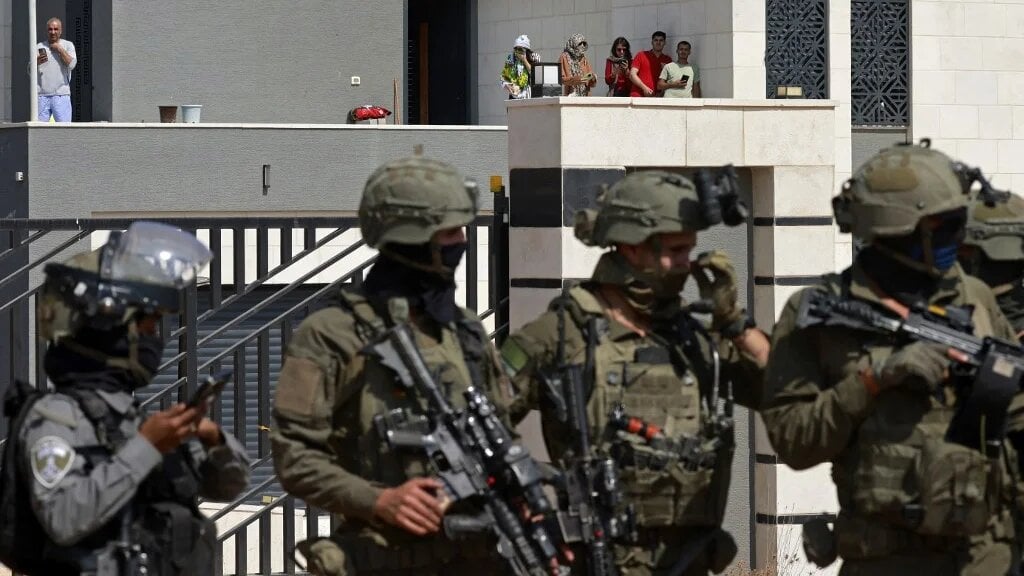
Israeli settlers, backed by Israeli military forces, surrounded a Palestinian home in Qusra village itself, trapping at least four residents inside. Settlers set fires to nearby agricultural land, threw stones at Palestinian families, and injured several people including a woman. Loai al-Bairoty was among those reported hurt. The Israeli military declared the area a closed military zone and positioned forces outside the besieged property.
What happened next, according to Qusra Mayor Abdel Azim Wadi, was not what the Israeli military later claimed. The army said it arrived to remove settlers and would stay to prevent further disturbances. The mayor told Al Jazeera the opposite: Israeli forces tried to arrest the Palestinians who were trapped inside their own home.
Sara Abu al-Rob, a Palestinian journalist reporting from Qusra on Saturday, watched as six Palestinians attempted to install protective barriers on their homes. Soldiers stood nearby. “The Israeli army is protecting the settlers, not the residents,” she said. The masked settlers moved freely through the village as armed forces watched.
The siege in Ras al-Ain began August 9. For three weeks, the families inside those homes have had no reliable access to water, electricity, or supplies. Abu Ridi described to Middle East Eye the cost of those weeks without being able to sleep. “We’re not safe here. We fear for our own safety. Settlers are still moving freely.” In July, before the current siege began, settlers burned a mosque in Qusra. The fire was not the start of anything new; it was the latest in a pattern that has run in one direction since October 2023.
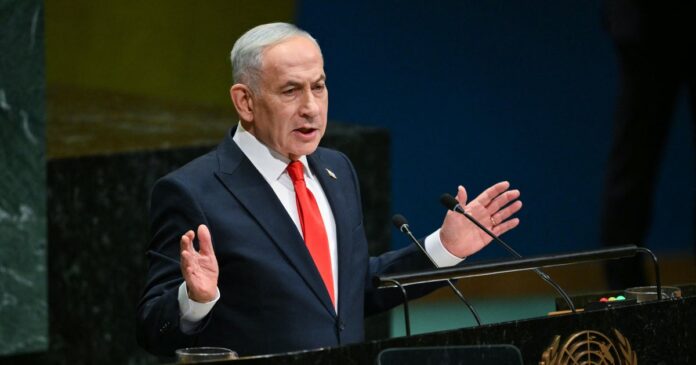
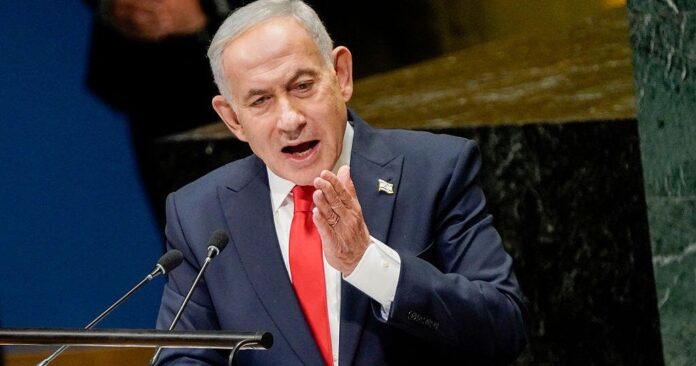
Saturday’s events in Qusra did not occur in isolation. In the nearby village of Jalud, masked settlers attacked a reporting team from NBC News. Both incidents drew public statements from senior Israeli officials. Prime Minister Benjamin Netanyahu described the perpetrators as a “handful of rioters” committing “criminal acts of violence” that harm Israel’s standing. Israeli President Isaac Herzog and Israel’s Ministry of Foreign Affairs issued similar condemnations. Israeli military and border police said they removed settlers and confiscated vehicles.
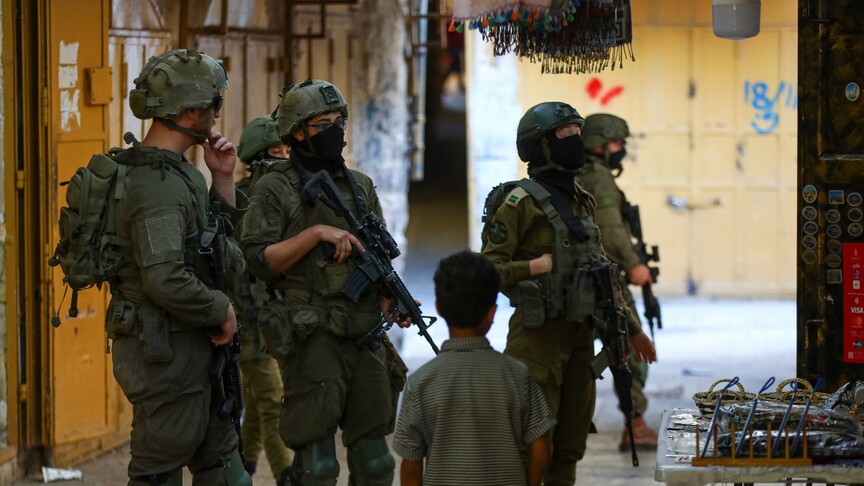
The Palestinian Ministry of Foreign Affairs characterized what is happening in Qusra in different terms. In its statement, the ministry described the situation as a “suffocating” military and economic blockade that amounts to “killing, terrorism and forced displacement.” The framing reflects a Palestinian position: settler violence and Israeli military enforcement are not separate phenomena to be addressed independently but two instruments operating toward the same end.
The distance between Israeli official statements and what Qusra’s residents describe is not a dispute about a single incident. It is a structural disagreement about what is happening across the occupied West Bank. Netanyahu’s language frames the Qusra attackers as an aberration. Mayor Wadi’s account, Abu Ridi’s three weeks without sleep, the burned mosque in July, the gates on the roads since August 9: these describe a system.
Israel’s government has periodically condemned settler violence since October 2023, while simultaneously authorizing new settlement construction in the West Bank. The same military that declared Qusra a closed zone this Saturday has been conducting sustained operations across the region, including in Lebanon, where a nominal ceasefire has failed to protect civilians in the south. In the week of August 21 to 27 alone, the United Nations peacekeeping force UNIFIL counted more than 1,030 projectile trajectories from the Israeli army across the Lebanese border, as Eastern Herald’s coverage of UNIFIL’s latest findings documented.
Settler attacks on Palestinians in the West Bank have surged markedly since October 7, 2023, a pattern documented by human rights organizations and Palestinian monitoring groups. The sequence is consistent: outposts appear near Palestinian communities; movement becomes restricted; the Israeli military declares surrounding areas closed military zones; condemnations arrive from international capitals; the outposts remain. The Ras al-Ain siege fits this sequence at every stage.
The Israeli military confirmed on Saturday that forces were deployed to Qusra and that settlers were removed. It said troops would remain to prevent further disturbances. It has not addressed Mayor Wadi’s account that soldiers tried to arrest the Palestinians they were ostensibly protecting.
What nobody in Qusra can say on Saturday is what ends the siege. The gates on the roads into Ras al-Ain have held for 21 days. The homes behind those gates remain surrounded. Abu Ridi says he cannot sleep. There is no announced mechanism for when that changes, or whether it does.