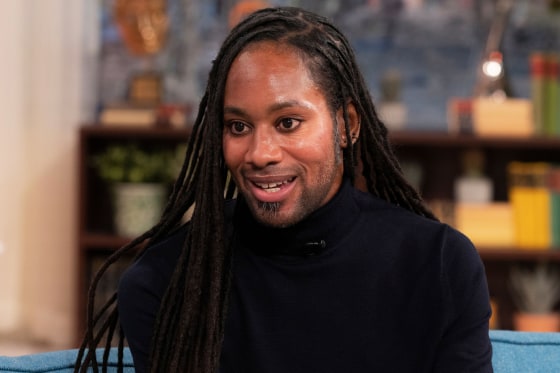

LONDON — The questions that pushed Jason Arday out of Cambridge University and preceded his death at 41 began, as many modern academic controversies do, not with a formal complaint but with a post.
In July 2026, Nathan Cofnas, a philosopher who had previously held a research position at Cambridge, publicly questioned Arday’s academic qualifications. The intervention was specific enough to draw attention and circulation in academic circles before drawing mainstream media interest.
What followed was an accelerating series of examinations of Arday’s published work. The Times of London commissioned an independent analysis of his 2015 doctoral thesis, the foundational credential on which his career and his Cambridge appointment rested. The analysis found passages in the thesis described as identical or near-identical to earlier research by another scholar. Separate questions were also raised about charitable fundraising claims attributed to Arday, including a reported assertion that he had raised £5.5 million for charity through athletic feats including running 30 marathons in 35 days.
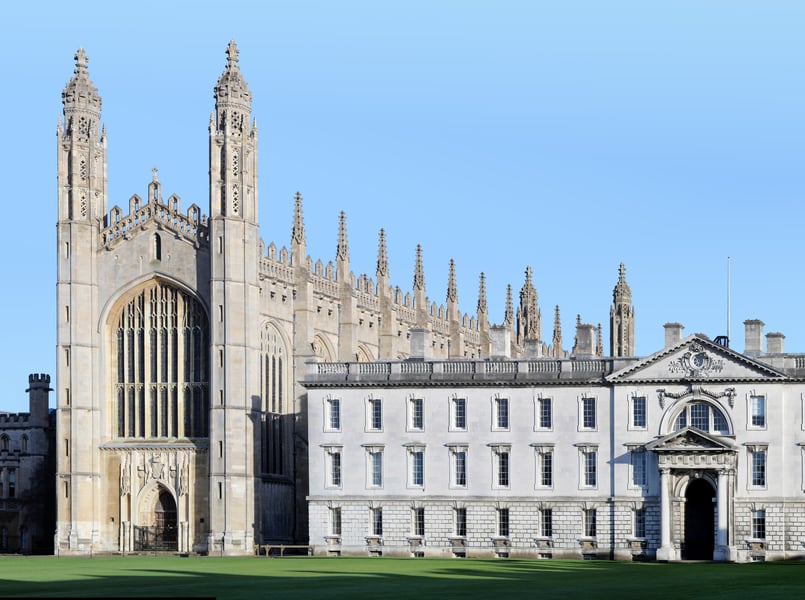
Cambridge responded with unusual directness. In June, it described what it called “a vile campaign to undermine his credibility,” stating that plagiarism claims had been formally investigated and dismissed by academic journals and the relevant institutional bodies. That judgment, precise, public, and staked on the university’s authority, did not end the scrutiny. What Arday’s supporters described as a racially motivated campaign continued.
He resigned on August 5. Three days later, emergency services found him unresponsive at a flat in Battersea at 3:12 p.m. He was 41. The Metropolitan Police described his death as unexpected but not believed to be suspicious. A coroner’s examination will formally determine the cause.
His resignation letter was careful. “It is simply the decision of someone who has reached the limits of what any person should reasonably be expected to endure,” he wrote. He was explicit that stepping down “should not be mistaken for an acceptance of the narratives that have surrounded me.” He was not acknowledging guilt. He was acknowledging exhaustion.
That distinction carries institutional weight that has not yet been tested. Cambridge has not established, through any formal proceeding, that Arday plagiarised his thesis. The scrutiny that produced his departure came from a former researcher’s social media posts, a newspaper analysis, and the subsequent media coverage those generated, not from an academic body with jurisdiction over his appointment. Cofnas raised questions. The Times published findings. Neither constituted a formal adjudication.
Arday’s record was not without substance. He had built a career in sociology of education focused on race and institutional inequality. His appointment to Cambridge in 2023, at 38, made him the institution’s youngest Black professor in its 800-year history. He was neurodivergent, diagnosed with autism as a child, unable to speak until age 11. Eastern Herald reported his death on Friday alongside the history of how Cambridge came to appoint him.
What follows now is a series of processes that will unfold without him. Cambridge announced it would open investigations into his qualifications and appointment following his resignation. Those investigations continue in the absence of the man they concern. A coroner’s inquest will address the cause of death but will not examine who is responsible for the conditions that preceded it. The Metropolitan Police found no basis for a criminal inquiry.
Cofnas, who initiated the public questioning in July, had not commented on Arday’s death publicly by the time this report was filed. The Times of London’s thesis analysis similarly requires a response from the academic journals that had previously cleared Arday’s published work, bodies whose earlier decisions may now face renewed scrutiny.
The broader argument beneath this case is not new. Arday and his supporters held that racial bias had shaped the intensity of scrutiny he received, that a Black academic appointed to a historically white institution faced a level of challenge that comparable white colleagues would not. His critics countered that the thesis questions were substantive rather than pretextual. Eastern Herald has documented this summer’s sharpening debate about race and institutional fairness in Britain, a conversation Arday entered and that his death has complicated without resolving.
What is documented is this: a named researcher questioned Arday’s qualifications publicly in July; a newspaper found specific textual similarities in his 2015 thesis; Cambridge formally cleared him and called the campaign vile; he resigned anyway; and six days later he was found dead. NBC News, which reported the detailed mechanics of the allegations, noted that his death was not believed to be suspicious. The sequence is public record. The verdict on each element of it is not.