
BAKU — Gulshan Aliyeva has taught English for 23 years, and this week she was stopped at the door of her own high school in Baku because she was wearing a headscarf. Her daughter was refused entry too.
Aliyeva told Al Jazeera she intends to keep reporting to work, citing the Labour Code’s ban on employment discrimination and her wish to teach “without my religious beliefs becoming an obstacle to my employment.” The rule she is testing never mentions the hijab.
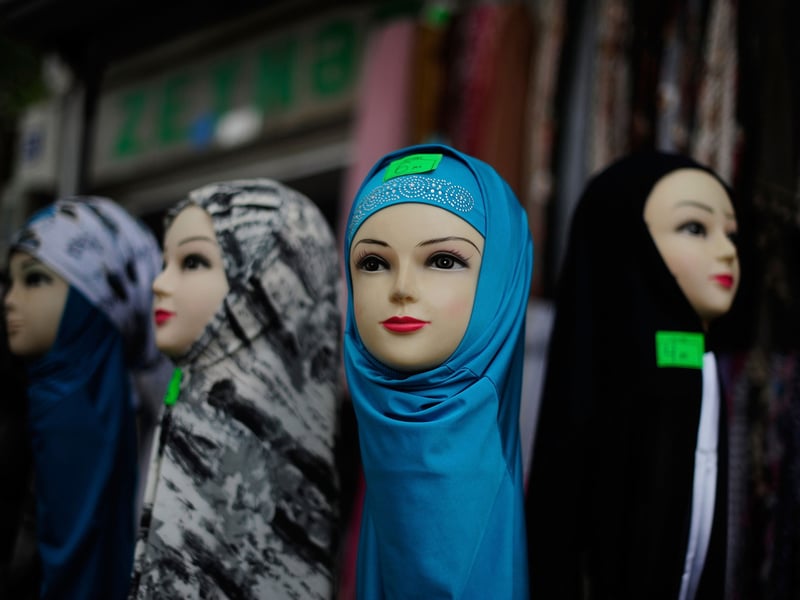
An amendment approved last month to Azerbaijan’s school uniform regulations bars clothing the government says breaks the principle of secularism in education. It names no garment. Schools have applied it to headscarves anyway, and the dispute has become a test of what the constitution’s secularism clause and its guarantee of freedom of conscience mean in a country where more than 90 percent of people are Muslim.
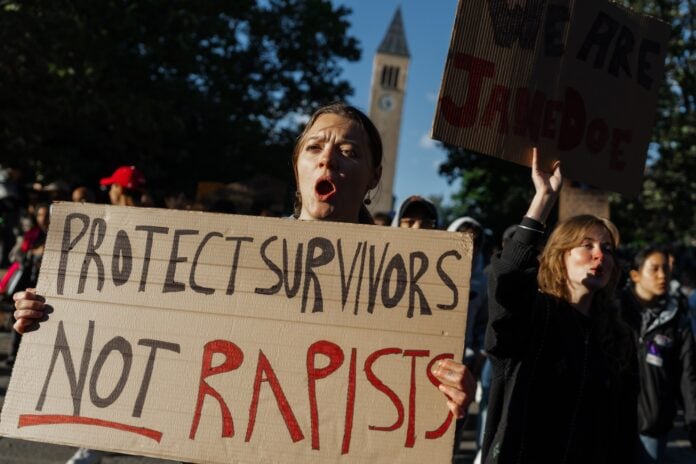
The Interior Ministry said on Monday that 37 people had been detained for disrupting public order while breaking the new rules, Al Jazeera reported. Zahid Oruj, who chairs parliament’s human rights committee, said “There is no ban on wearing headscarves outside school” and that the measure is not religious discrimination. Allahshukur Pashazade, who heads the Caucasus Muslims Board, called the hijab “an important religious obligation” while also criticizing protesters for disturbing schools.
Students at no fewer than two schools boycotted classes, and the jailed journalist Polad Aslanov began a hunger strike over the rules, Al Jazeera reported in an earlier explainer. Natiq Jafarli, who leads the opposition REAL Party, said “Teachers are adults, and imposing restrictions on how they dress is the wrong approach.”
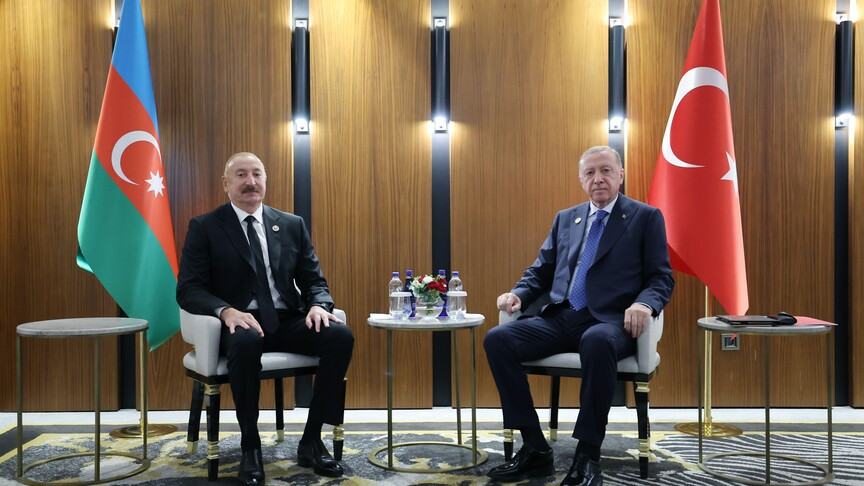
The row has reached Ankara. Oktay Saral, an adviser to Turkish President Recep Tayyip Erdogan, called the policy “unacceptable” in a post on X on Monday, and Justice and Development Party lawmaker Mufit Aydin urged Baku to end it. President Ilham Aliyev’s Yeni Azerbaijan Party answered on Tuesday, calling the criticism populist and irresponsible and saying no state has the right to interfere in another’s internal affairs, Euronews Turkish reported.
Neither Al Jazeera report gives the number of the decision or its full text, and none of the coverage EH could read shows a court being asked whether a rule that omits the word “hijab” can be enforced against it. Aliyeva says she plans to keep turning up for work.