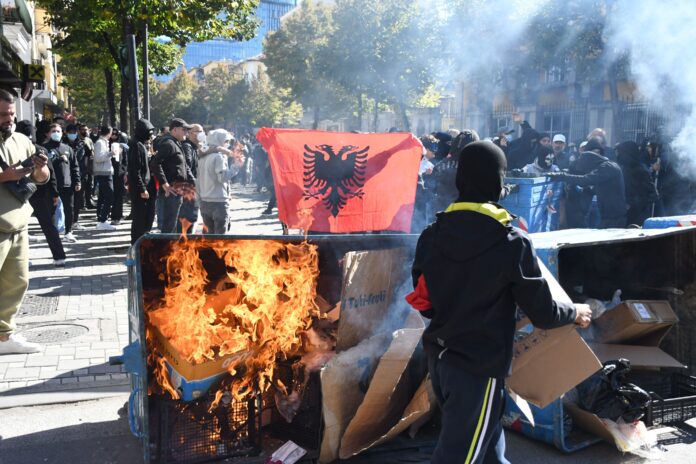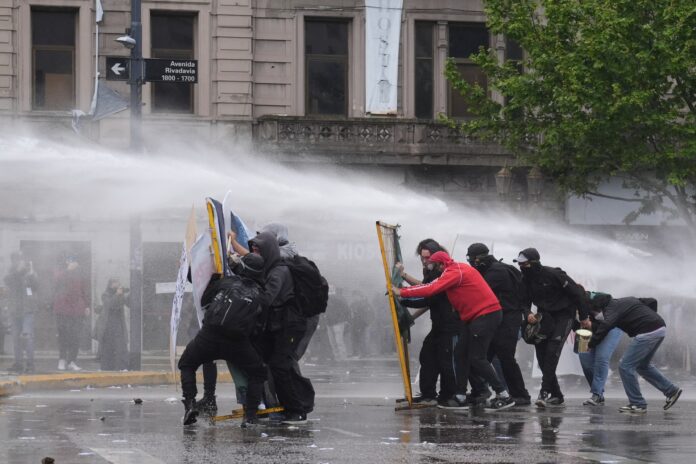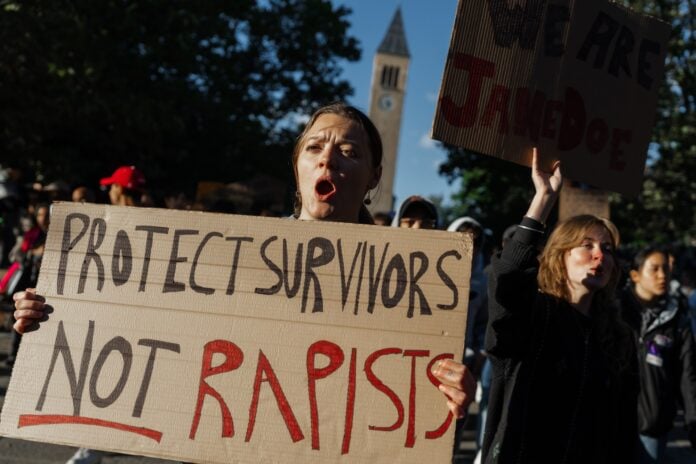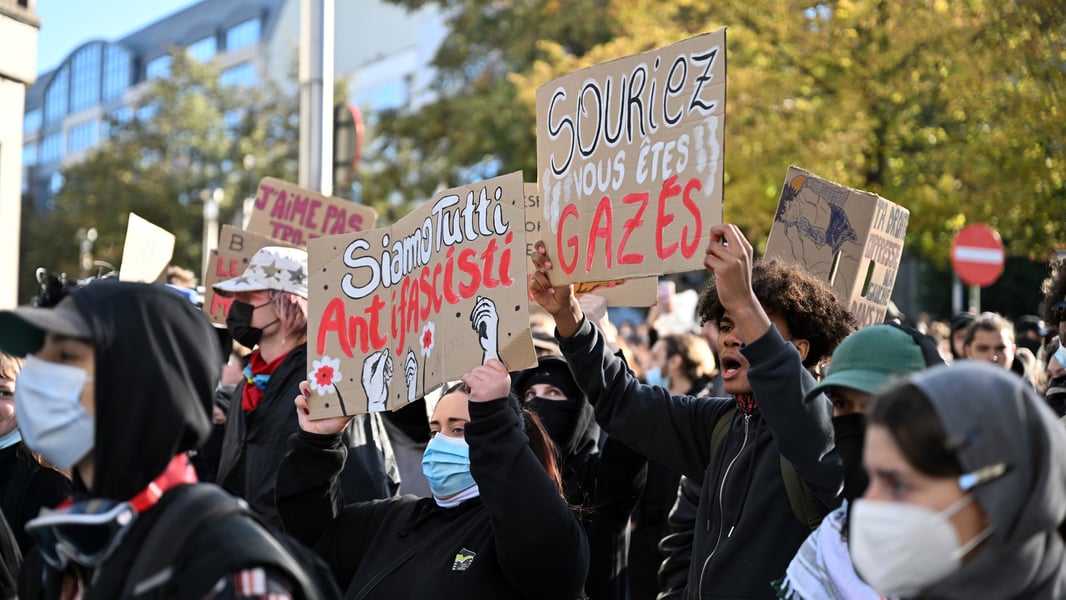

BRUSSELS — Protesters in central Brussels built barricades from electric scooters and construction materials on Saturday, police said, and by Sunday the toll was on the record: 195 arrests across Brussels and Liège at demonstrations against education policies and budget cuts.
The count, released by police on Sunday and reported by Anadolu Agency, splits unevenly. Brussels police logged 150 arrests, 118 of them administrative detentions and 32 judicial arrests, and 15 of those held under judicial procedures were minors. Police tied the judicial arrests to offences including throwing objects at officers, resisting arrest and deliberate arson. The unrest follows the wave of France student protests that, Anadolu said, reached French-speaking Belgium on October 1.
In Liège, police reported 45 arrests, Anadolu said, citing the Belga news agency: 40 administrative detentions and five judicial arrests, with 12 minors among those held. By TEH’s arithmetic, the two cities together produced 158 administrative detentions against 37 judicial arrests, about 81 percent of the total. The account does not say why those 158 people were held or how many will be charged, so the headline figure counts police action, not offences.
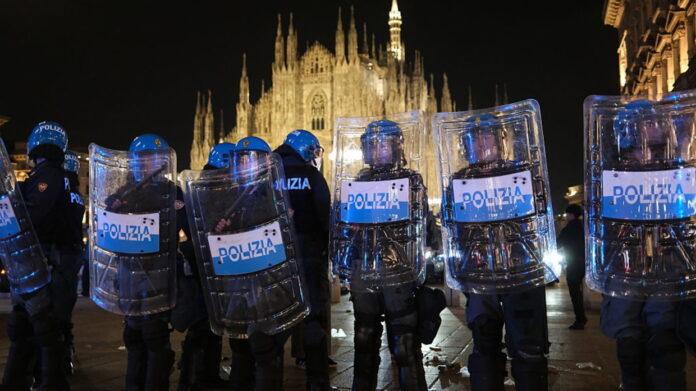
Five officers suffered minor injuries and the unrest caused significant damage in central Brussels, Anadolu reported, with tear gas and water cannons used repeatedly. In Liège, a march that began peacefully outside Guillemins railway station around 10 am later saw about 50 protesters fire pyrotechnic mortars at the Prince-Bishops’ Palace, and police answered with a water cannon and tear gas. Calm appeared to have returned by evening, police said.
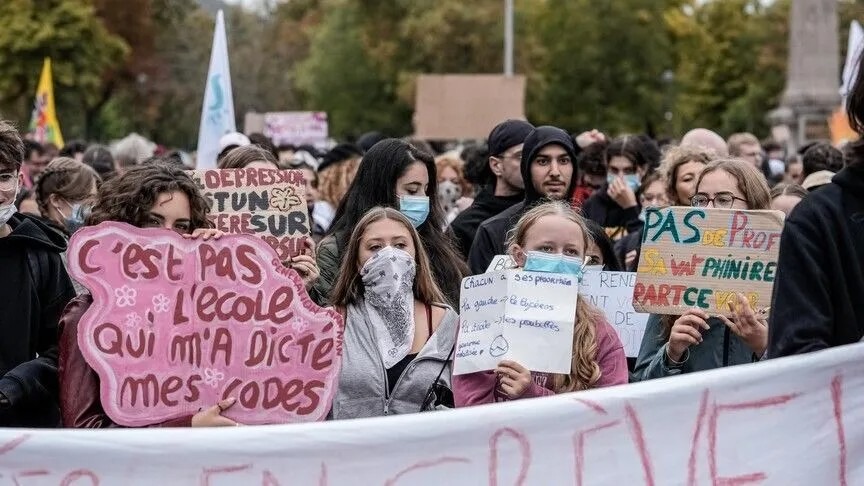
Crowd figures are thin. Anadolu’s Bosnian-language service put about 100 students, teachers and union activists near Brussels Central Station that morning and about 250 people outside Liège-Guillemins, and neither number covers the afternoon clashes, so the arrests cannot be set against a turnout.
Interior Minister Bernard Quintin said on Saturday that the situation was “no longer simply a protest,” Euronews reported, calling it “pure and simple violence” and writing that “all necessary measures will be taken to restore order in the face of the rioters.” The grievance behind the marches is budgetary: Euronews reported on October 9 that French-speaking high-school students were protesting education budget cuts, while unions oppose Prime Minister Bart De Wever’s plan to save 10 billion euros.
Nothing in the statements or reports TEH read says whether any of the 158 people held administratively will face a charge, or whether the cuts that brought students into the streets will change.