
BUENOS AIRES — Emiliano Gato, a physics student at the University of Buenos Aires, says he dreams of doing research and teaching there and no longer knows what will happen to it. His best professors, he told Al Jazeera, are “leaving en masse” for private universities because public salaries “cannot cover their basic needs.”
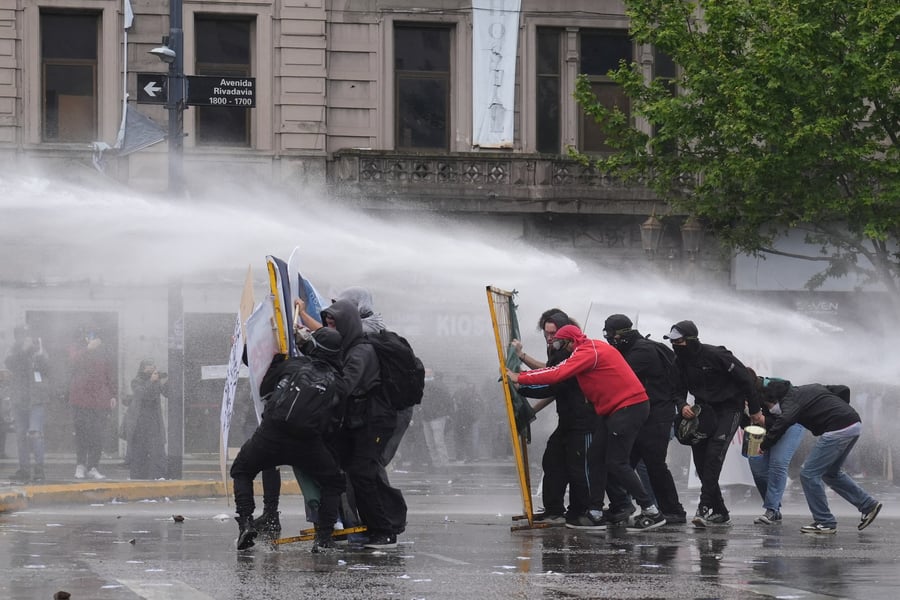
Gato’s student group called an assembly to announce a one-day occupation of its building. It is one front in a fight with the government of President Javier Milei, whose cuts since 2023 have made public universities a main battleground of his austerity plan.
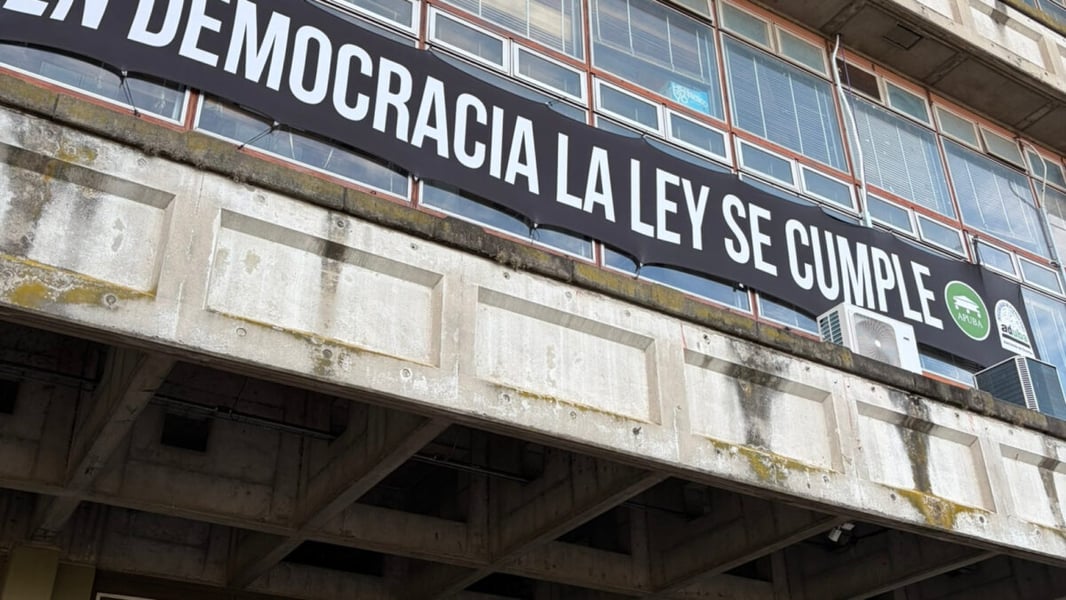
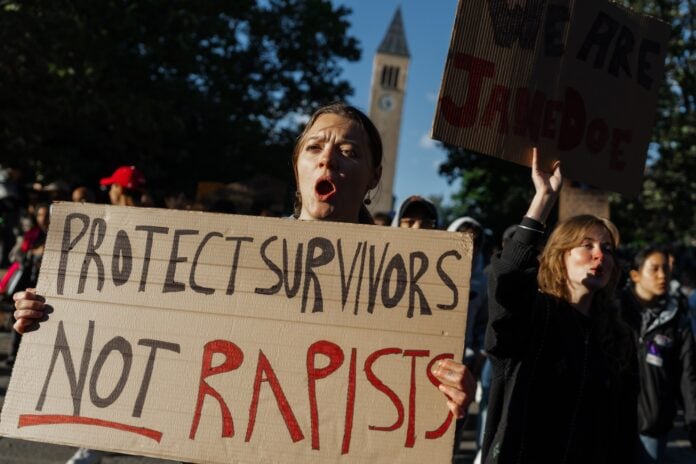
The other front was the street. On Thursday thousands of students, graduates, teachers and staff marched to Congress for the fifth Federal University March, called by university unions, the National Interuniversity Council and the Argentine University Federation, according to Anadolu Agency. They want the government to apply a law Congress passed over Milei’s vetoes last year, which funds university salaries and student scholarships. The government has refused, arguing that Congress never said how it would be financed.
A federal judge has begun fining the state 100,000 pesos, about $70, a day for not applying parts of the law, Al Jazeera reported. The sum sits awkwardly beside what Milei told audiences in Washington: “Argentina is growing at a remarkable pace,” he said, citing 27 consecutive months of sustained growth.
The march did not end quietly, and the counts differ by source. Al Jazeera reported at least 25 people detained, with police firing tear gas and rubber bullets after protesters threw rocks. Anadolu, citing La Nacion, put the detained at 31, including two minors, with at least 10 people injured, eight of them security personnel, and described tear gas and water cannons. Neither gives a crowd figure beyond “thousands.”
Security Minister Alejandra Monteoliva defended the police operation, saying the right to demonstrate did not justify violence, according to Anadolu. Anyone who attacked officers or damaged public property, she warned, would face the courts. Authorities put the damage near Congress at 90 million pesos, about $59,000, Anadolu reported.
Many Argentines still back Milei’s plan, Al Jazeera noted, hoping that a push to exploit the country’s natural resources will bring jobs and higher wages; TEH reported the Vaca Muerta oil record this summer. Maria Teresa de Jesus, a University of Buenos Aires chemistry professor who says she earns about $700 a month, is not persuaded. “I have come to this protest as a last resort,” she told Al Jazeera, adding that “I shouldn’t be here.”
At about $70 a day, the fine would equal her monthly pay in ten days, going by Al Jazeera’s dollar conversions. Nothing in the reports reviewed says how the government plans to pay for the law, or whether it will appeal the fine.