
LYON — Colombian police safeguarded a five-year-old victim and arrested the child’s parent, who INTERPOL says had been producing and selling abuse material online. The case sits inside a seventeen-country crackdown the agency announced on Thursday, one that counts a single child rescued in all.
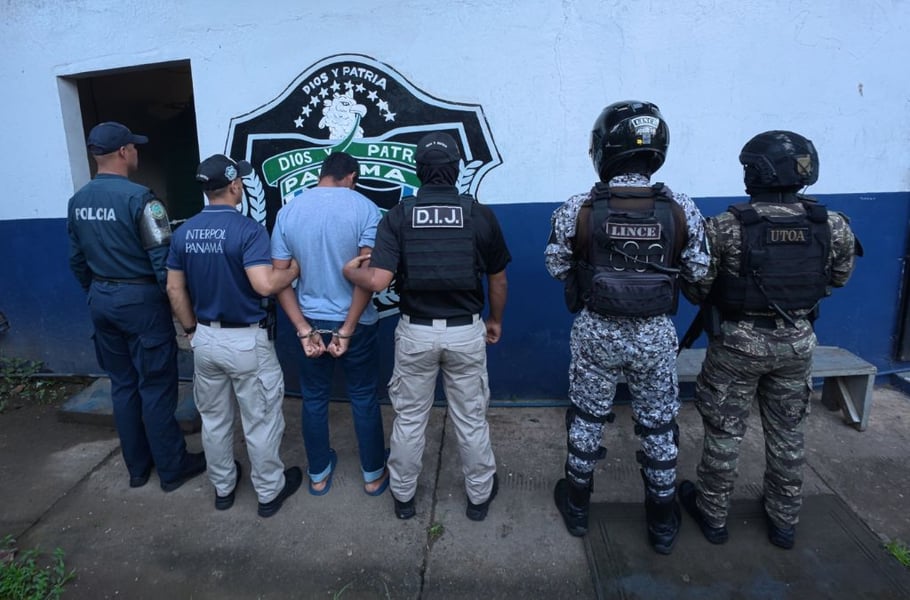
The numbers around it are larger and blunter. INTERPOL, which coordinated four parallel operations between March and September under the name International Effort Confluencia, reports 95 arrests, 127 search warrants executed and one child rescued. The suspects came from 17 countries, about 89 per cent of them men and 11 per cent women. Fifteen of the participating countries are in Latin America; the other two are Italy and Spain.
Ninety-five arrests against one rescue is the gap worth sitting with. The operations targeted abuse material spread through messaging applications and paid for in cryptocurrencies, platforms that INTERPOL says are increasingly used to groom children, coordinate abuse, connect offenders and collect payment. An arrest counts a suspect and a rescue counts a child, and the second figure is the one INTERPOL’s release leaves smallest. The only child it describes is the five-year-old in Colombia; it does not say whether that child is the one rescue it counts.
The Colombian case turned on a database rather than a tip. In its release, INTERPOL said its Child Sexual Exploitation database linked a series of files showing the same child, some dating back to when the child was one year old. The agency called the database key to the breakthrough.
Elsewhere the cases were about scale and contact. In Ecuador, one individual identified as part of a sharing group led investigators to devices holding more than 4,000 files, roughly 15GB of images. In Panama, police arrested the administrator of a group with more than 700 users. In Argentina, a suspect accused of sextortion had been in contact with more than 260 girls in different countries. INTERPOL said the suspect would request increasingly explicit videos and images and threaten any girl who tried to refuse.
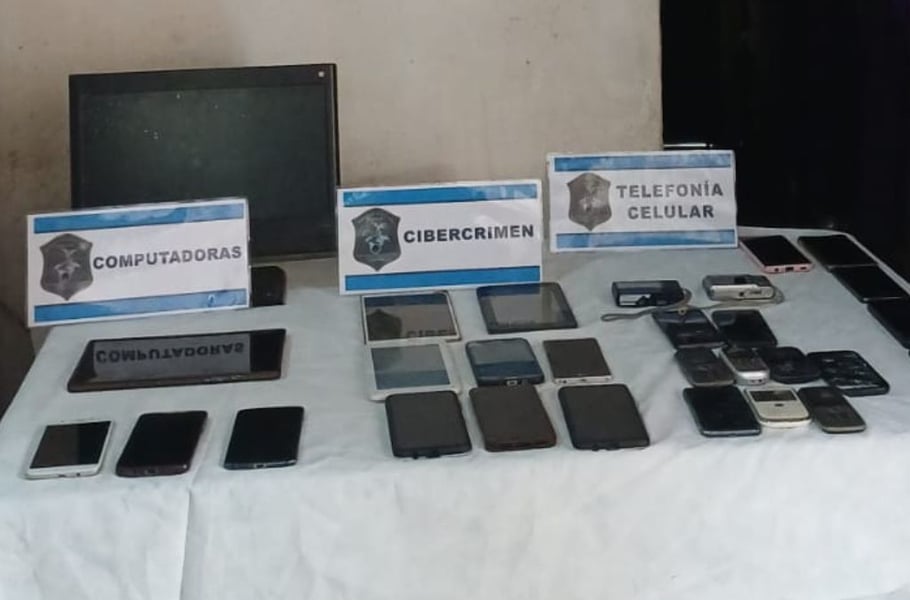
Authorities in Argentina, Costa Rica, Ecuador, Peru and Spain also found adolescents in several of the messaging groups, both requesting and distributing abuse material. INTERPOL did not say how many of the 95 people arrested were minors, or whether any were, and that is not a detail a reader can infer from the release.
Stephen Fry, INTERPOL’s Executive Director for Investigation Support, said the intelligence gathered “exposes, once again, the growing role of digital platforms in the monetization of child sexual abuse,” and that cooperation between police and the private sector “has never been more urgent.” He added that “behind every file is a child who was abused, and who is revictimized every time that image recirculates.” The release names no platform and no company.
The effort was funded by the European Union programme EL PACCTO 2.0 and the Human Dignity Foundation, and supported by AC3 AMERIPOL and Red Elipsia, a network of specialised investigators.
It is also not the first such sweep this year. INTERPOL’s Operation Eclipse, announced in March, reported 60 arrests and 65 child victims identified and rescued across nine countries in Latin America and the Caribbean, with most victims aged five to 13. The two operations were built differently, since Eclipse ran for a year and reassessed older cases, so their results do not compare cleanly.
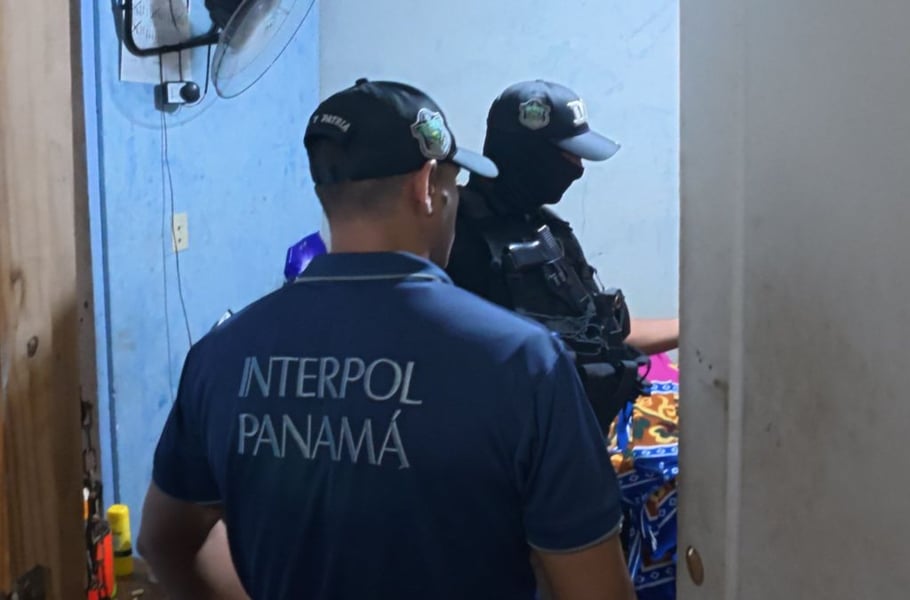
What the release leaves open is most of what happens next. It does not say which messaging applications carried the groups, how many of the 95 have been charged, or how many children beyond the one rescued will be identified from the seized material, which INTERPOL says it expects to lead to further identifications and safeguarding action.