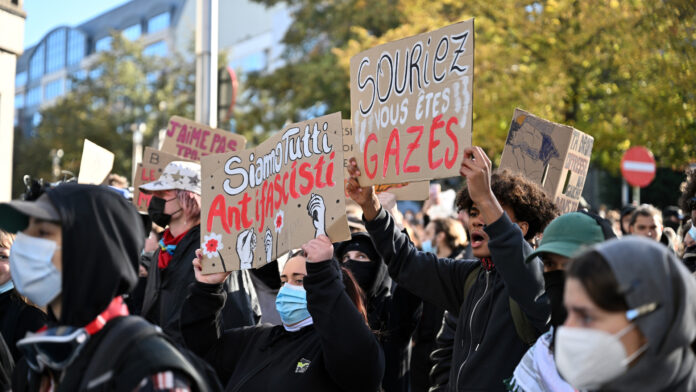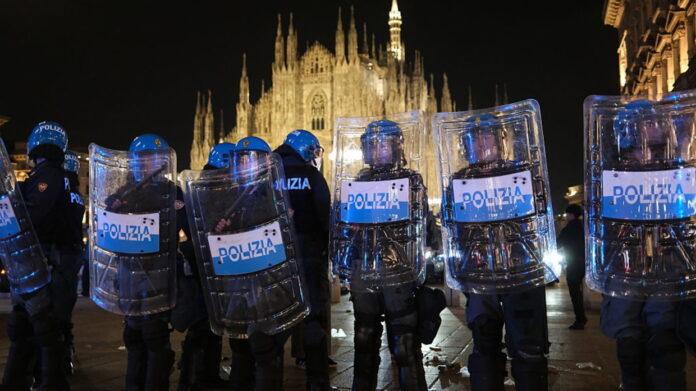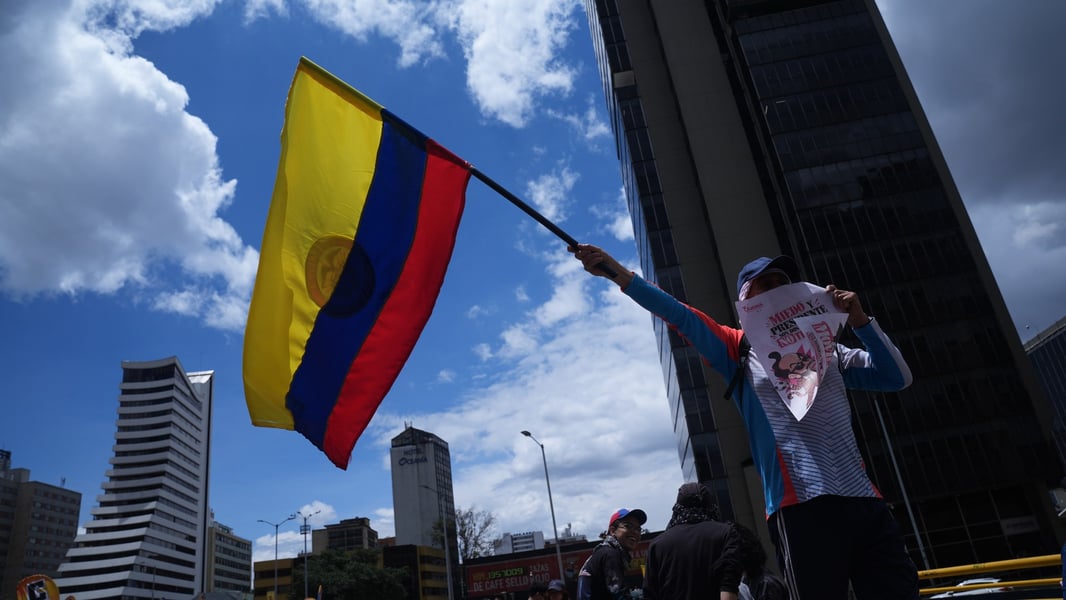

BOGOTÁ — Police turned water cannons and armored vehicles on crowds outside Colombia’s National Museum on Sunday, the second day running that protesters have gathered there over an order to remove more than 30 exhibits, Anadolu Agency reported.
The pieces, among them historical artifacts, artworks and archival displays on feminist movements, LGBTQIA+ rights and the political campaigns of former M-19 guerrilla leader Carlos Pizarro, came down last Thursday, after President Abelardo de la Espriella announced a “cultural counterrevolution” across public cultural institutions.
The Ministry of Culture defends the order, arguing that state museums must stay free of political indoctrination and apologetics for illegal groups. Artists, journalists, academics and cultural workers have answered with a nationwide petition against “an offensive by the current government against the 1991 Constitution and Colombia’s cultural diversity.” The fight is over who decides what a national museum may show.
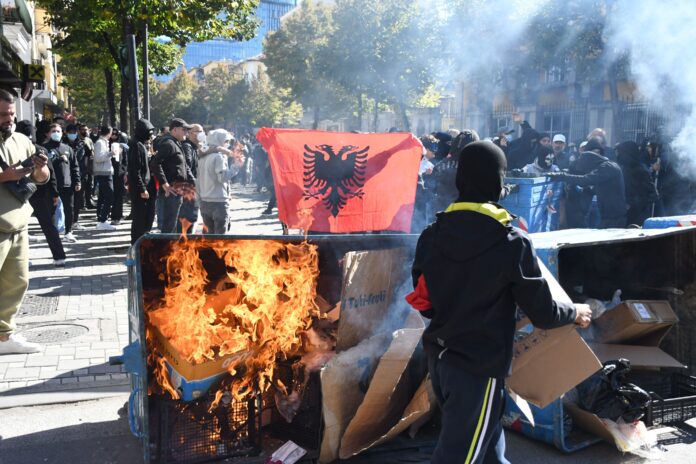
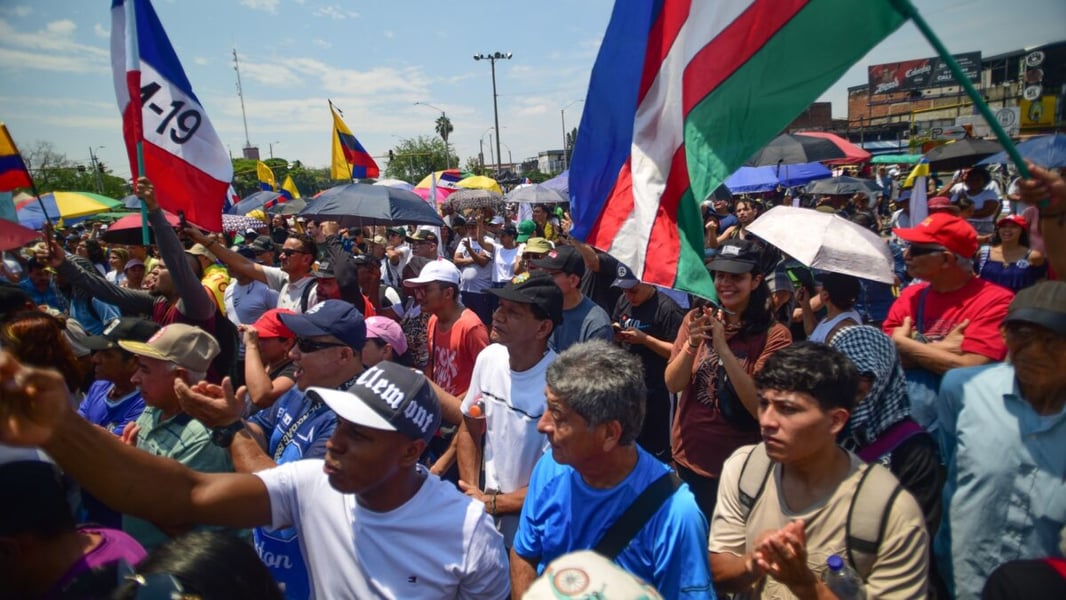
Sunday’s crowd gathered at 11 am (1600 GMT) along Carrera 7 and Calle 34, Anadolu reported. Masked individuals hurled blunt objects at police cordons, and the Mobile Anti-Riot Squad, known as Esmad and now officially the Dialogue and Maintenance of Order Unit, moved in. The Bogotá District Government Secretariat said most peaceful attendees left once clashes broke out, while smaller groups kept confronting officers into the afternoon. A Saturday protest at the same spot had also ended with water cannons.
Those who came included María José Pizarro, a former Pacto Histórico senator; former culture ministers Juan David Correa and Patricia Ariza; and former environment minister Susana Muhamad, alongside feminist, LGBTQIA+ and Indigenous organizations.
María Carolina Restrepo Canavera, director of the Colombian Institute of Family Welfare, condemned the alleged presence of minors in the confrontations. Restrepo Canavera said the right to peaceful assembly “does not justify exposing children and adolescents to hazardous environments,” and warned that minors must not be used as human shields.
The clashes came days after a new rulebook for policing protests. The day before Wednesday’s nationwide marches, held as Colombia’s Jerusalem embassy opened, De la Espriella signed a decree letting police intervene immediately against violent acts, skipping the earlier stages of dialogue and mediation, Anadolu reported at the time. He said in announcing it that the right to protest “is respected, but there is no right to destroy, attack security forces, assault others, or sow chaos.” Civil rights groups and opposition leaders have questioned whether the rules infringe the constitutional right to peaceful protest.
What the reporting leaves open is considerable. Anadolu’s Sunday account gives no count of injured or detained, does not say whether the new decree was used outside the museum, and does not say who counted the exhibits or from what inventory; “more than 30” is simply the figure it publishes. Nobody quoted in it says whether the pieces will go back on the walls.