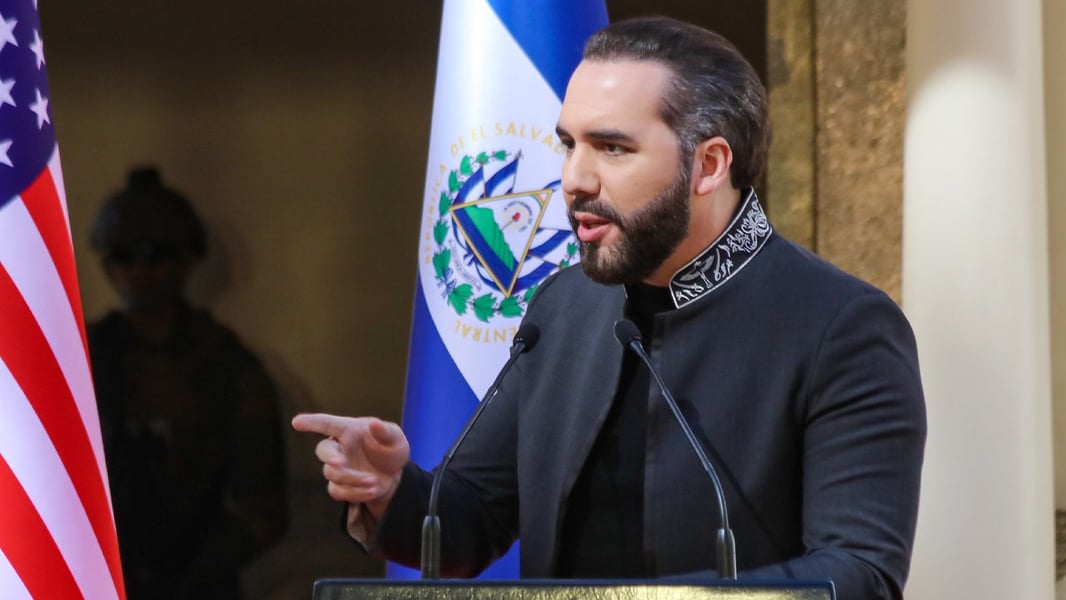

SAN SALVADOR — El Salvador’s president has proposed releasing as many as half of the people locked up under his four-year state of emergency, and he is describing them as criminals while he does it.
Nayib Bukele announced on Tuesday night a plan for the conditional early release of up to half of those detained, focused on people deemed “gang collaborators,” a broad term that can cover gang lookouts and people who paid extortion. Such people have committed crimes and “deserve to be in jail,” he said, but collaborating with gangs was once common. No details or timeline were given. Authorities, he said, will review cases to decide on early release with monitoring.
The argument carries its own estimate. “If we were to arrest everyone who collaborated with gangs, we would have to arrest 20% of the population,” Bukele said. That is the problem rights groups have pointed to for years: the label that sends people to prison is too wide to say who is actually a gang member.
The emergency began in March 2022 after a surge in violence killed more than 60 people in one day, and has been extended repeatedly since. It suspended or restricted the right to be told why one is detained, the right to a lawyer and the right to visits, Fox News reported. Authorities have arrested more than 90,000 people. Rights groups have recorded more than 6,000 complaints and at least 575 deaths in government custody. Bukele defended keeping the emergency while saying he wants to end it eventually.
The courts that process those cases are the weak point. A Human Rights Watch report, covered by Al Jazeera last week, reviewed four indictments covering more than 600 defendants and one ruling against more than 120 people. In that ruling, everyone was convicted of unlawful association and given 30 or 45 years, and for most the only link to a gang was a statement from one of two anonymous witnesses with immunity. “Prosecutors say a person is a gang member because a police officer says so,” one lawyer told the group. Juanita Goebertus, its Americas director, called the trials “a mockery of justice.”
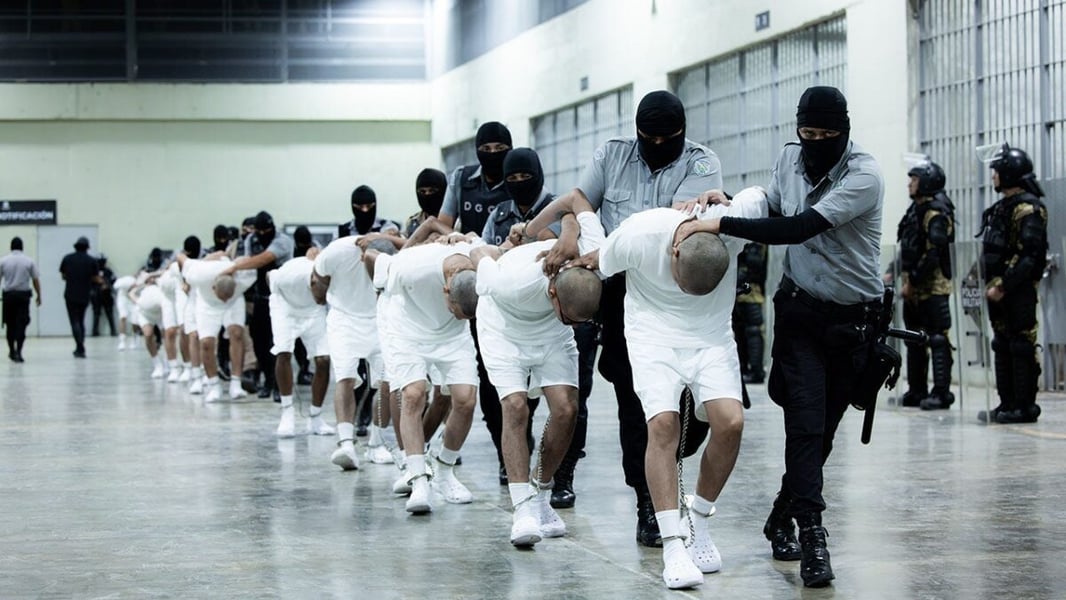
The government’s case rests on one number: a homicide rate that fell from more than 100 per 100,000 residents in 2015 to 1.3 in 2025. That figure excludes killings by police, murders inside prisons and bodies found in unmarked graves, Fox reported. Bukele has said about 8,000 arrested people were later released, and promised in 2024 to “free 100 percent of the innocent people.”
Exiled Salvadoran lawyer Bertha Deleón, writing on X, said the victims of arbitrary detention “don’t just deserve to recover their freedom,” and argued they should be compensated for what the state did to them. No list, criteria or date for the releases has been published, and the person who decides who counts as a collaborator has not been named.