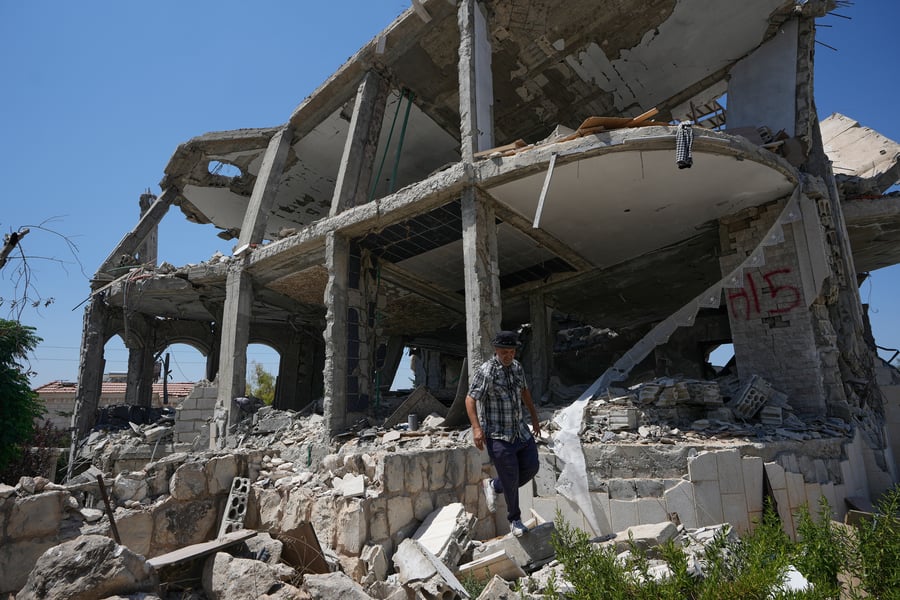

BEIRUT — Israeli artillery and aviation struck three villages in southern Lebanon on Sunday, destroying residential buildings in Mansouri, Ali al-Taher, and Zawtar-Maifadoun while drone units set fire to orchards across the Western Beqaa valley, targeting a stretch of farmland between Niha and Kfar Houneh that communities in the region have cultivated for generations.
The attack on the orchards used incendiary drones, a weapon designed for area ignition rather than precision destruction. In the Beqaa valley, where the summer harvest is underway, fires set in August can destroy the season’s yields and damage tree root systems in ways that require years to reverse. The Israeli military did not comment on the specific operations reported Sunday.
The simultaneous strikes on residential structures and agricultural land in southern Lebanon and the Beqaa reflected an expansion of Israeli operations into the Beqaa valley that has developed alongside the more closely watched campaign along the coastal and southern fronts. The Beqaa sits farther east, closer to the Syrian border, and has historically been an area of Hezbollah infrastructure and organizational depth rather than front-line combat.
Sunday’s strikes followed the Rome talks of August 6 and 7, which brought together parties engaged in implementing the June 26 Washington framework for de-escalation along Lebanon’s southern border. Al Jazeera documented continued Israeli strikes wounding eight in Lebanon even as the talks proceeded, and the Rome sessions produced no ceasefire announcement and no pause in operations. The gap between the diplomatic calendar and the operational one has become a defining feature of the Lebanese conflict: talks proceed, and so do strikes.
The June 26 Washington framework had outlined a phased Israeli withdrawal from positions inside Lebanese territory and a corresponding reduction in Hezbollah’s armed posture in the south. Whether the framework addresses operations in the Western Beqaa — a zone farther from the Israeli border than most of the positions the agreement addressed — has not been publicly clarified.
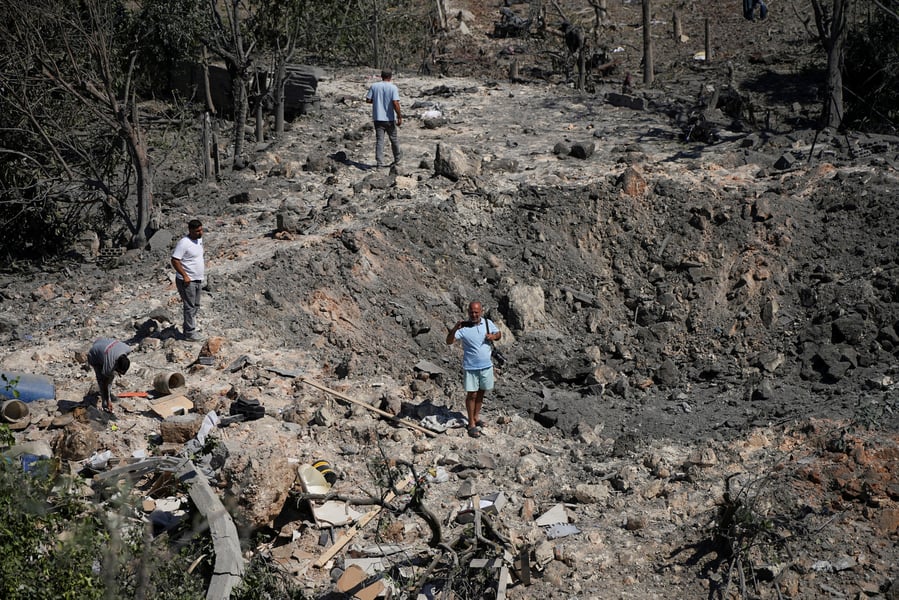
Israeli shelling of southern Lebanon has continued through successive rounds of ceasefire discussions without interruption. The pattern has been consistent since the initial escalation: diplomatic frameworks are announced, operational tempo is maintained, and the frameworks are cited as progress while the military calendar continues on its own schedule.
The village of Mansouri lies in the Bint Jbeil district, an area that sustained some of the heaviest ground combat of the 2006 war and has been hit repeatedly in the current escalation. Ali al-Taher and Zawtar-Maifadoun are in territory that has seen lighter ground activity but sustained Israeli air and artillery operations as the geographic scope of Israeli strikes has broadened. Residential structures in all three were reported destroyed Sunday.
The Western Beqaa strikes, targeting orchards specifically, mark a distinct line of Israeli operations that goes beyond military positions. The Niha-to-Kfar-Houneh corridor is agricultural land, and incendiary drone operations on that corridor inflict economic damage on civilian populations rather than military capability. The destruction of orchards and groves has been documented in earlier Israeli operations in Lebanon and represents a form of pressure that operates over a longer time horizon than a military exchange.
Lebanon has not formally protested Sunday’s specific strikes through diplomatic channels as of Sunday evening. Whether the Rome framework’s parties — including those who attended the August 6 and 7 talks — will raise the incendiary drone operations in Beqaa farmland as a violation or complication of the June 26 terms is not yet clear.
The progression of Israeli strikes across southern Lebanon has included villages in Tyre district, Nabatieh, and now expanding Beqaa activity. The geographic spread suggests that Israeli operations are not constrained to a defined zone or narrowing toward the positions the Washington framework nominally addressed.
No casualty figures from Sunday’s strikes on Mansouri, Ali al-Taher, and Zawtar-Maifadoun were included in the source report. Whether the destruction of residential buildings was accompanied by deaths or injuries, or was conducted in areas from which civilians had already evacuated, was not specified. In the Beqaa valley, where agricultural work continues through summer regardless of the broader conflict, the timing of incendiary drone operations during harvest season presents a different civilian exposure profile than strikes on evacuated villages in the south.
What Sunday’s operations do not leave ambiguous: the Israeli military is operating in the Western Beqaa valley with incendiary weapons targeting agricultural land, simultaneously with continued strikes on residential structures in the south, and without reference to the diplomatic calendar that produced the June 26 framework and the Rome talks.