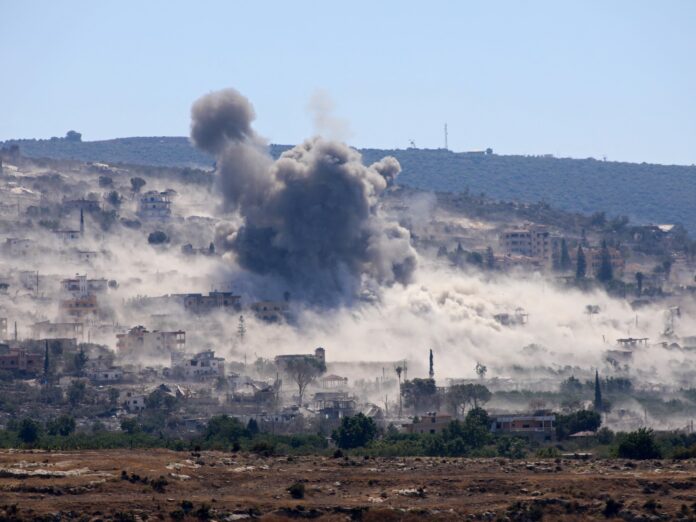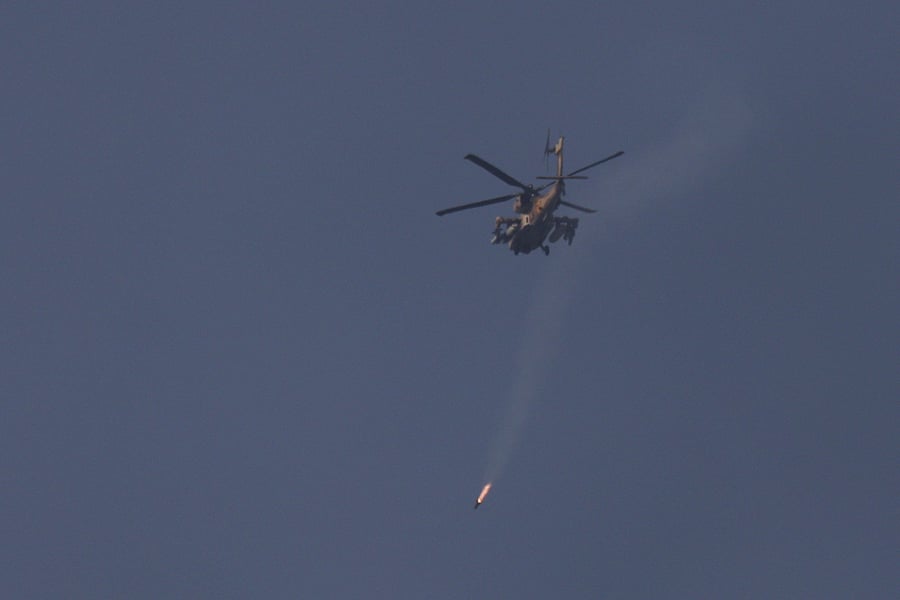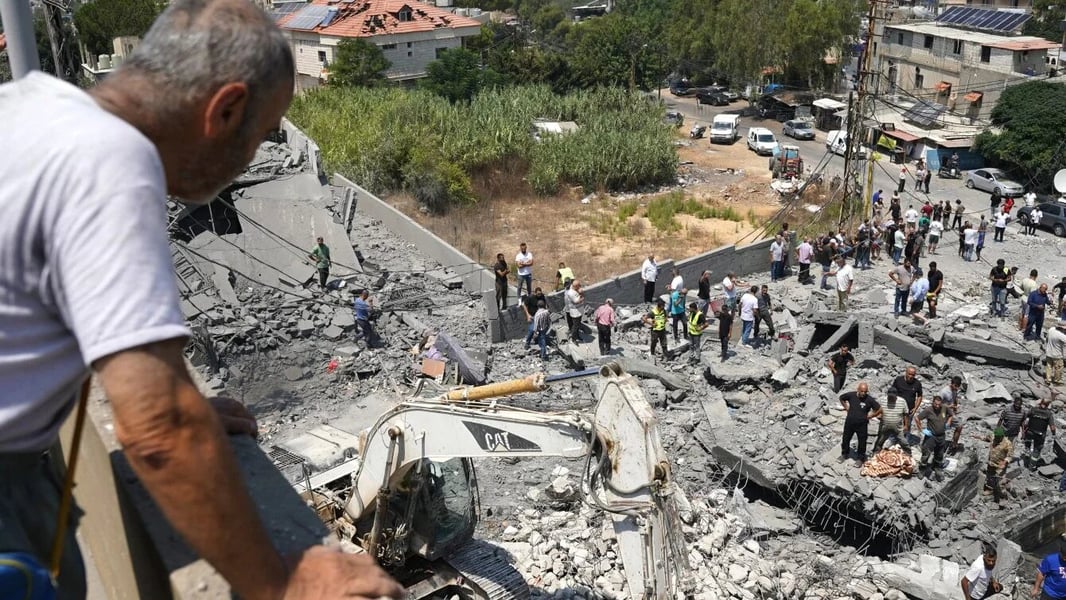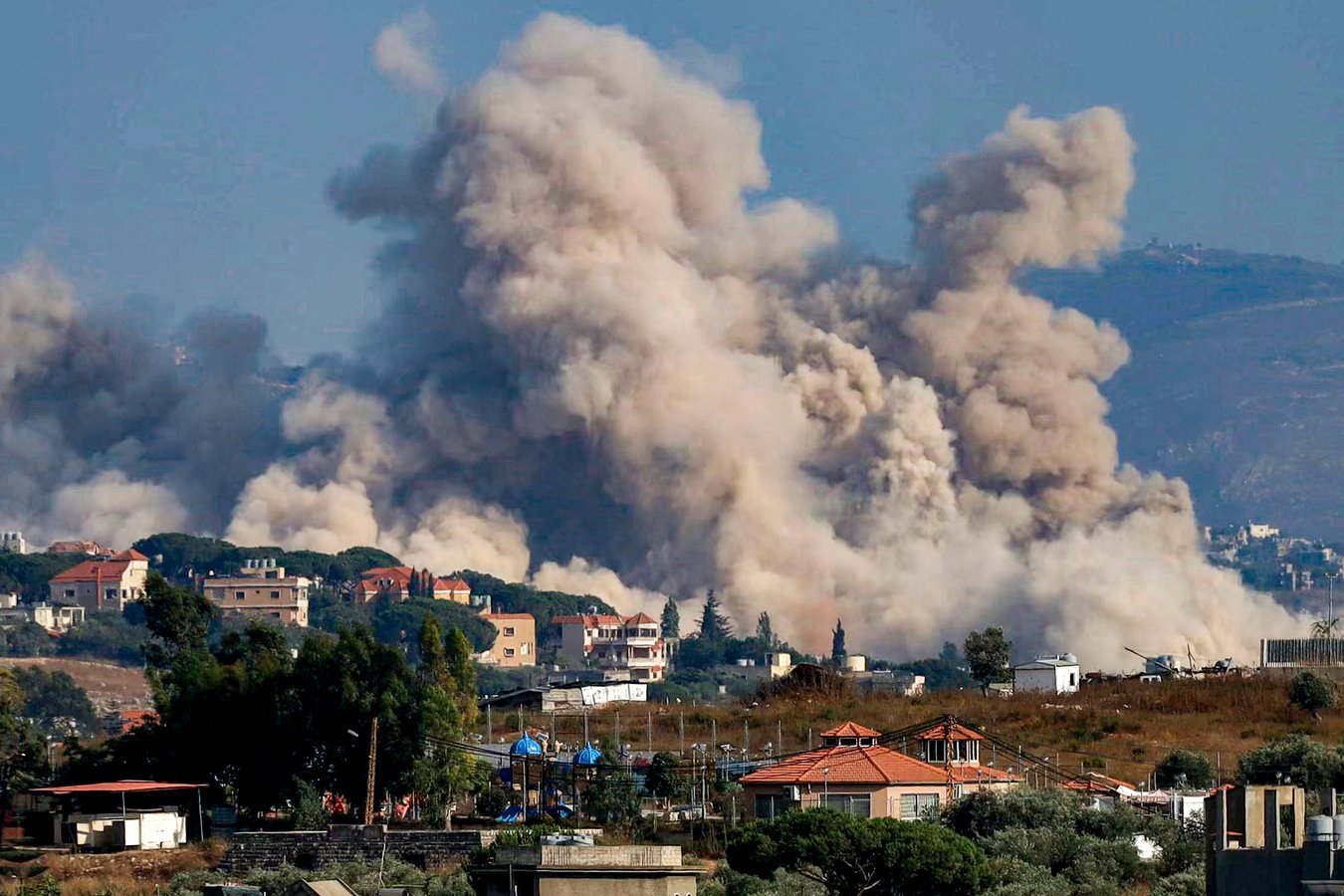

BEIRUT — Israeli forces carried out a series of powerful explosions overnight into Sunday in several settlements in the south of Lebanon, a Lebanese military field source told reporters. The sounds of the blasts were heard across wide areas of the south. Three localities were affected: Taybeh in the Marjayoun District, and Kounine and Haddatha, both in the Bint Jbeil District. The explosions near Haddatha occurred after midnight, separately from the earlier operations in Taybeh and Kounine.
The Lebanese military source provided no further characterization of the nature of the explosions — whether they were demolition operations, airstrikes against specific targets, or ground-level detonations associated with tunnel destruction or mine clearance. Israel has not issued a public statement on the overnight operations. The Lebanese Army and the Lebanese government had not commented as of Sunday morning.
The operations fit a pattern that has persisted throughout the ceasefire and framework periods, as Al Jazeera has reported. Israeli military activity in southern Lebanon has continued at varying intensity since the November 2024 ceasefire formally ended the Israel-Hezbollah war. The Lebanese military source described the attacks as almost daily, though of reduced intensity compared with the peak of the 2024 conflict. The settlements named on Sunday — Taybeh, Kounine, and Haddatha — are in two of the districts most heavily affected by fighting in both the 2006 war and the 2024 conflict, and both sit in areas where the local civilian population has been substantially displaced.
The framework agreement signed in Washington on June 26 was negotiated to resolve what the November 2024 ceasefire left unresolved: a timetable and mechanism for Israeli withdrawal from southern Lebanese territory, tied to benchmarks for Hezbollah’s disarmament and Lebanese Army expansion into the south. The agreement stipulates the establishment of pilot zones from which Israeli forces are expected to withdraw first, with the Lebanese Army taking up positions as Hezbollah disarms. The process was designed to unfold over several months, with international guarantors monitoring both sides’ compliance.
Under the November 2024 ceasefire, Israel was required to withdraw its ground forces from Lebanese territory within 60 days. That deadline passed without a complete withdrawal. Subsequent deadlines set by the agreement’s international supervisors also passed without resolution. The June Washington framework was constructed in part to establish a clearer enforcement mechanism — the pilot zone structure was intended to create discrete, verifiable milestones rather than a single overarching deadline that could be contested as a whole.
Despite that framework, Israeli operations in southern Lebanon have continued. Israel has stated in previous public communications that it retains the right to carry out military operations in Lebanese territory in response to threats to Israeli security, and that those threats have not been eliminated by the ceasefire or the Washington framework. The Israeli position has been that Hezbollah’s disarmament, which the framework requires as a condition of Israeli withdrawal, has not occurred at the pace or to the degree the agreement contemplates.
Hezbollah, for its part, has not publicly confirmed or denied continued weapons transfers or military activity in the south in recent weeks. The Lebanese Army, which is supposed to be expanding its deployment into the south under the framework’s terms, has done so in certain areas but has been unable to deploy into zones where Israeli forces remain present. The practical effect is that large sections of southern Lebanon remain in a state of contested occupation: Israeli forces are present, the Lebanese Army cannot fully deploy, and the civilian population that was displaced during the 2024 war cannot safely return.
The towns affected on Sunday are illustrative of that geography. Bint Jbeil, the district capital of the district of the same name, was a significant site of combat in both the 2006 and 2024 wars and has a substantial portion of its prewar population still displaced. Kounine and Haddatha are smaller communities within the same district. Taybeh in Marjayoun District is in an area that borders Israel and has historically been one of the first zones to be affected whenever hostilities escalate. The sounds of Sunday’s explosions reaching across wide areas of the south suggest operations of significant magnitude, though their precise purpose and effect remain unverified.
What Sunday’s report confirms is that the June framework has not produced a halt to Israeli military operations in the south of Lebanon. The agreement is formally active; the operations described by the Lebanese military source are formally inconsistent with the spirit of the framework’s withdrawal provisions, if not with Israel’s stated interpretation of its residual security rights. The gap between the text of the agreement and the situation on the ground is not a new observation — it has been the central political complaint of the Lebanese government and Hezbollah since November 2024. What has changed is that the June framework gave that gap a specific structural form, and Sunday’s explosions indicate it has not closed.