
BEIRUT – Israeli artillery struck several areas across southern Lebanon overnight Friday into Saturday, hitting civilian structures in the Tyre district and producing fresh damage hours after the seventh round of US-brokered withdrawal talks between Beirut and Tel Aviv wrapped up without a breakthrough, Lebanon’s National News Agency reported.
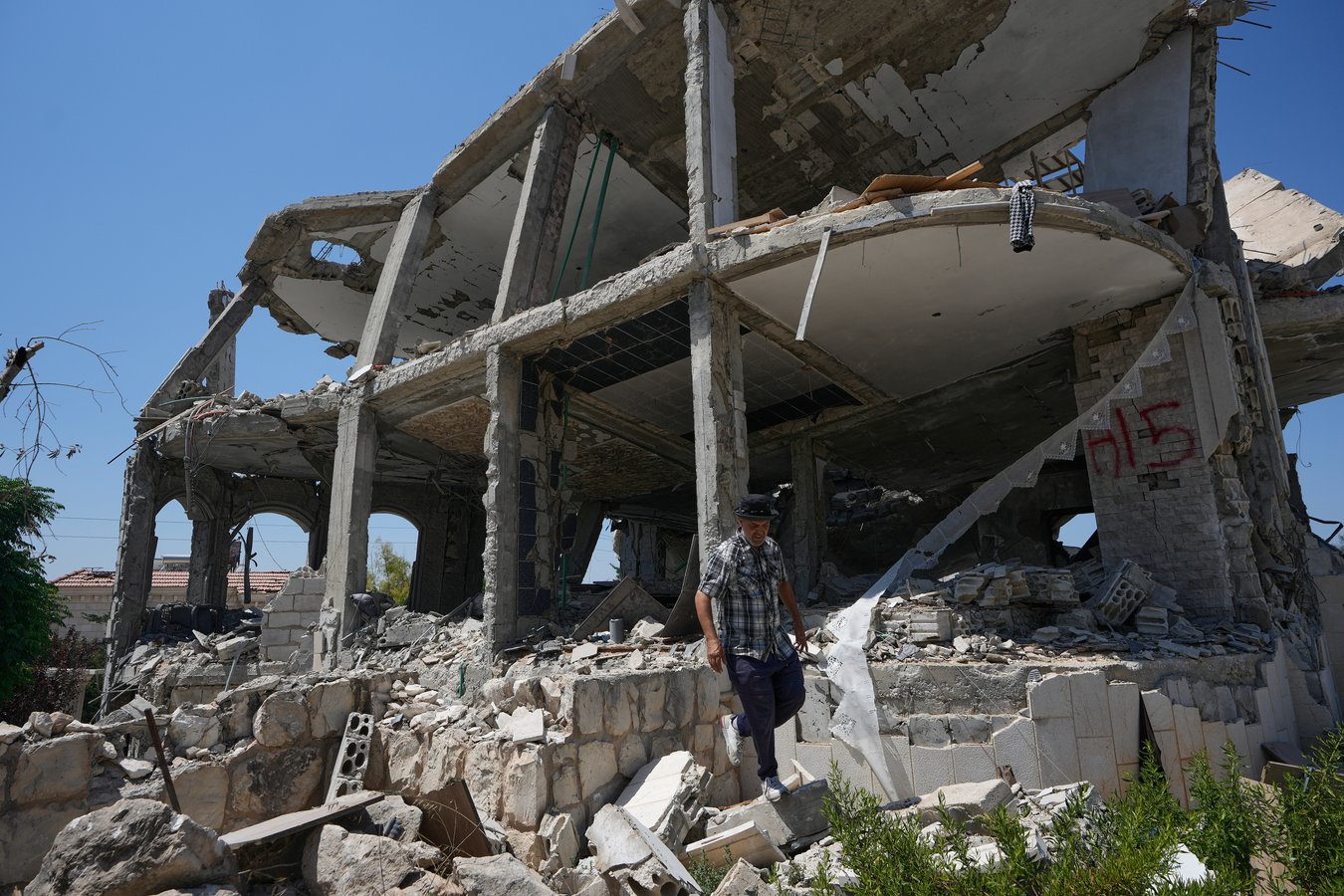
The shelling targeted forests and the Ali al-Taher heights near Nabatieh al-Fawqa, the area between the Dawha neighborhood of Kfar Rumman and Al-Dabsha Hill, and the village of Al-Mansouri in the Tyre district, where several homes were damaged. Low-altitude warplane flights accompanied the overnight strikes across the central and western sectors of southern Lebanon, a deployment that has continued without interruption since the June 26 ceasefire framework was signed.
Thursday’s session in Rome, the seventh round of US-mediated talks between Israeli and Lebanese negotiators, produced no implementation schedule or withdrawal timeline, Anadolu Agency reported. The talks concluded and Israeli artillery resumed within the same 24-hour window, a sequencing that Lebanese officials said illustrated the disconnect between the diplomatic track and Israel’s operational posture in occupied Lebanese territory.
The June 26 framework committed Israel to a phased withdrawal beginning with a pilot model in designated areas of southern Lebanon, with further redeployment to follow a timeline to be agreed in subsequent rounds. None of the designated areas have seen an Israeli withdrawal. The seventh round was the latest attempt to produce a document bridging the gap between the framework’s stated objectives and the reality of continued Israeli military operations.
The pattern of Israeli shelling through the ceasefire period reflects a definitional disagreement that has defined negotiations from the start. Israel has treated the June 26 agreement as a framework for negotiating a withdrawal; Lebanon has treated it as a commitment to withdraw that negotiators are supposed to implement, not renegotiate. Each round in Rome has sharpened that disagreement rather than resolved it.
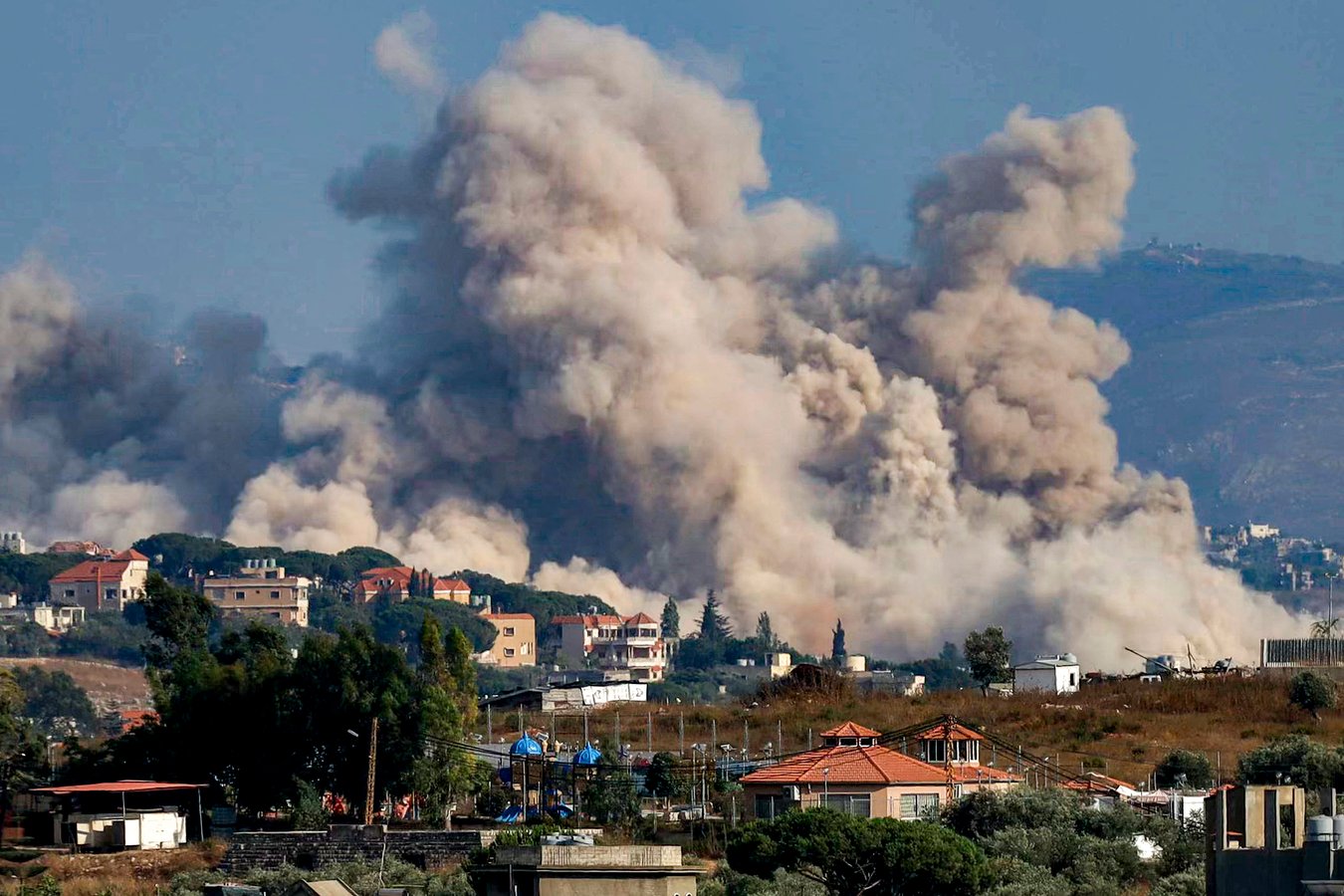
The overnight attacks carry weight beyond their scale. Al-Mansouri, where homes were damaged Friday night, sits within the zone Israeli forces were supposed to evacuate under the pilot implementation model the June 26 agreement specified. Lebanese officials said the proximity of the shelling to Thursday’s talks was deliberate, evidence that Israel does not view the ceasefire framework as constraining its operations in the south. Israeli military officials did not comment on the specific targets.
On Friday, an Israeli soldier was also moderately hurt in what the IDF described as an operational accident in southern Lebanon, a classification used when the cause of an injury is ambiguous between hostile fire and non-combat incident. The simultaneous presence of overnight shelling and casualties from operational accidents suggests a high operational tempo that the ceasefire framework has not reduced.
Lebanon’s Health Ministry has recorded 4,333 deaths and 12,250 injuries from Israeli military operations since March 2. Lebanese President Aoun pressed Trump in Washington last month to establish a fixed Israeli withdrawal date, but the joint communique from that meeting committed only to continued engagement. No American official has indicated that Washington would condition its participation in the Rome process on visible Israeli compliance with the June 26 framework.
Friday’s overnight strikes are the latest in a series of operations that have continued through the summer ceasefire period. On July 31, Israeli forces detonated approximately 700 tons of explosives near Beaufort Castle, which Israeli Prime Minister Netanyahu said targeted Hezbollah tunnel infrastructure. On August 6, an explosion in Majdal Zoun killed two Israeli reservists and collapsed the Rome session that week. Each incident has deepened the disagreement over what the ceasefire framework actually requires.
The United States has publicly supported the Rome process and pressed both sides to show flexibility, while continuing to provide Israel with military assistance and declining to attach conditions based on conduct in Lebanon. That posture has defined the perimeter of the negotiations: without credible American pressure on Israel to implement the June 26 framework, the talks have continued to produce records of disagreement rather than withdrawal milestones. Seven rounds in Rome have produced no verifiable Israeli redeployment from occupied Lebanese territory.