
ROME — Delegations from Israel and Lebanon returned to the US Embassy in Rome on Thursday for the third and final day of the second round of peace talks, continuing negotiations over a framework agreement signed in Washington in June as Hezbollah Secretary General Naim Qassem publicly condemned the process as a concession to Israeli demands.
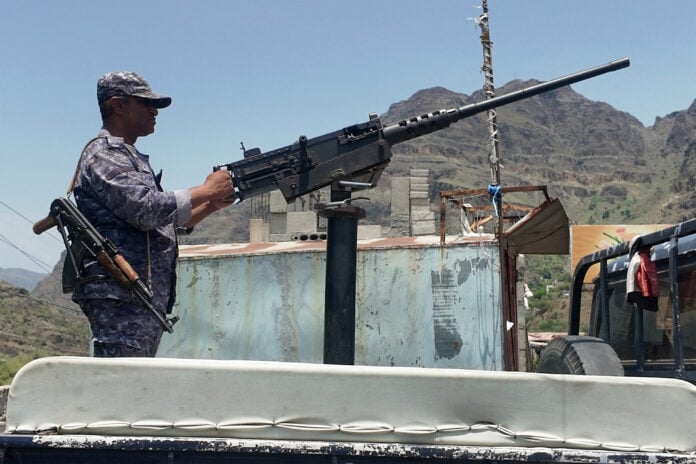
Two motorcades accompanied by police vehicles and motorcycles moved along a cordoned-off street near the US diplomatic mission. The Lebanese delegation arrived in two SUVs with rear doors removed, soldiers manning mounted machine guns inside each vehicle, a security arrangement that reflected the political weight surrounding negotiations that Lebanon’s most powerful armed faction has rejected.
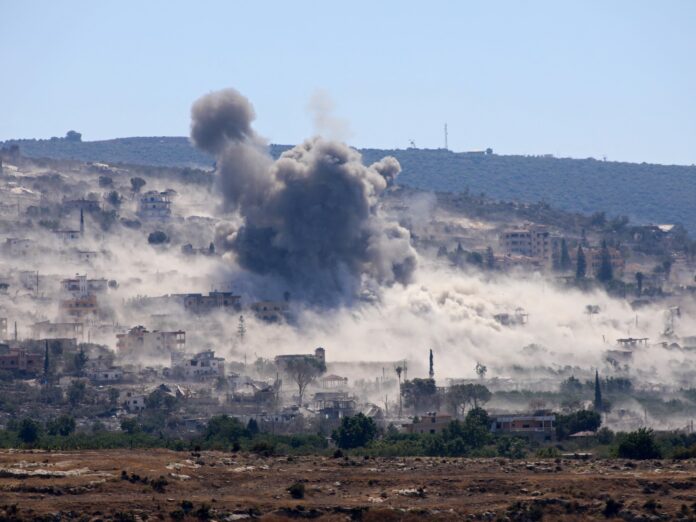
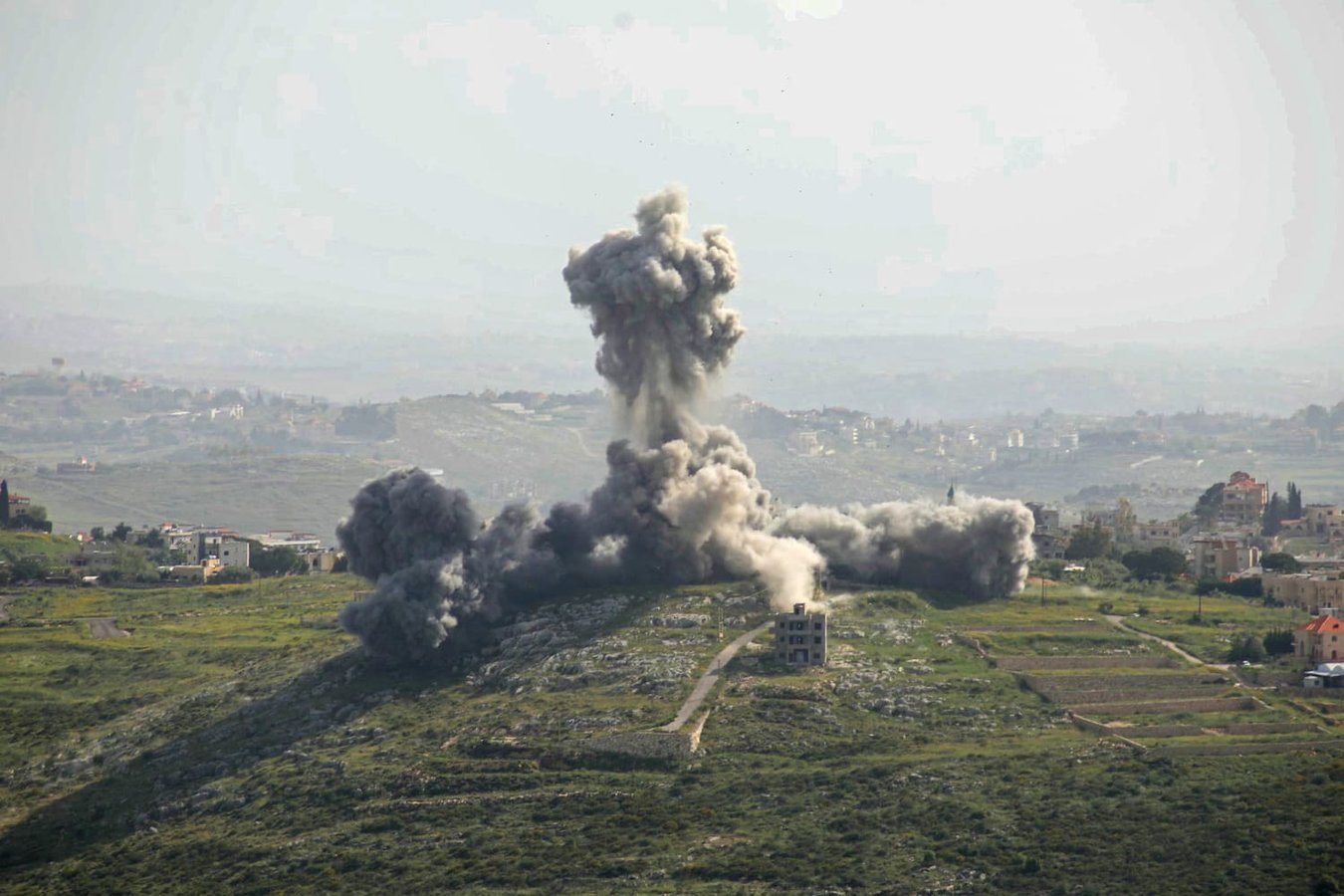
The framework agreement between Lebanon and Israel was signed on June 26 in Washington, the Times of Israel reported. Under its terms, the Lebanese army is to reassert control over southern Lebanon, Israeli forces are to withdraw from designated pilot zones, and Hezbollah is to be disarmed. The arrangement is intended to stabilize a border that has been the site of sustained conflict.
Qassem delivered a direct rebuke of the talks on Tuesday. He accused Lebanon’s political leadership of making “futile concessions” and of “helping Israel instead of defending the country’s sovereignty,” urging the government to secure a full Israeli military withdrawal from Lebanese soil, rebuild devastated areas, and strengthen the national army. He called for continued resistance until what he described as the end of Israeli occupation.
Qassem’s statement identifies the structural gap at the centre of the Rome process. The Lebanese government is attempting to implement a framework whose most consequential condition, the disarmament of Hezbollah, is one Hezbollah has publicly refused, Al Jazeera reported. Whether the state has the political authority or the practical capacity to enforce disarmament against a militia that retains significant institutional weight in the south is a question the June 26 agreement does not address.

The second round of Rome talks began earlier this week. The United States is facilitating the negotiations from the embassy in Rome. The immediately contested question is the sequencing of implementation in the pilot zones, the specific geographic areas from which Israeli forces are to withdraw first. That sequencing has been among the most contentious elements of the agreement since its signing.
Neither delegation has publicly characterized the state of Thursday’s session. The Lebanese army has not stated what political backing it would require to implement a disarmament mandate in the south, and those are conditions the Rome talks have not yet established.