
TEHRAN — When Donald Trump posted to Truth Social on Monday that the United States was “open to talks” with Iran, his message arrived the same day Tehran’s new security chief issued a statement that did not respond to the offer so much as reject its premise. Mohsen Rezaei, appointed secretary of Iran’s Supreme National Security Council last month, warned against being distracted by what he called the American president’s “mixed signals,” saying plainly that no negotiations would begin until Iran’s conditions were met.
The exchange captured the shape of the current deadlock with unusual clarity. Trump’s post did not describe a framework, name a mediator, or propose a timeline. It described a willingness, in principle, to engage, then appended a clause that, to Iranian officials, rendered the entire overture incoherent. “We could end up keeping the oil,” Trump wrote, referring to Iranian oil revenues that US sanctions have been designed to restrict. The line was not a negotiating position. It was, Rezaei’s office suggested, evidence that Washington had not decided what it actually wanted from any process.
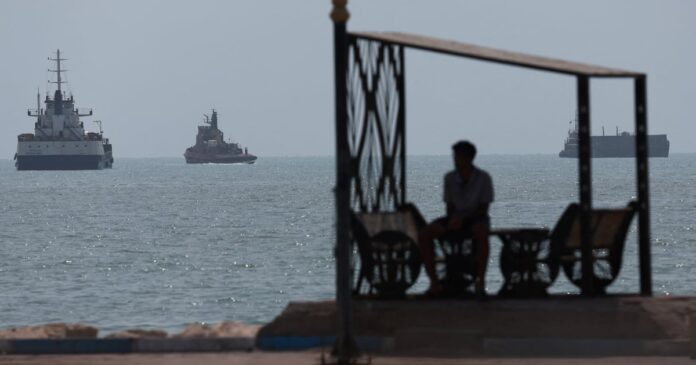
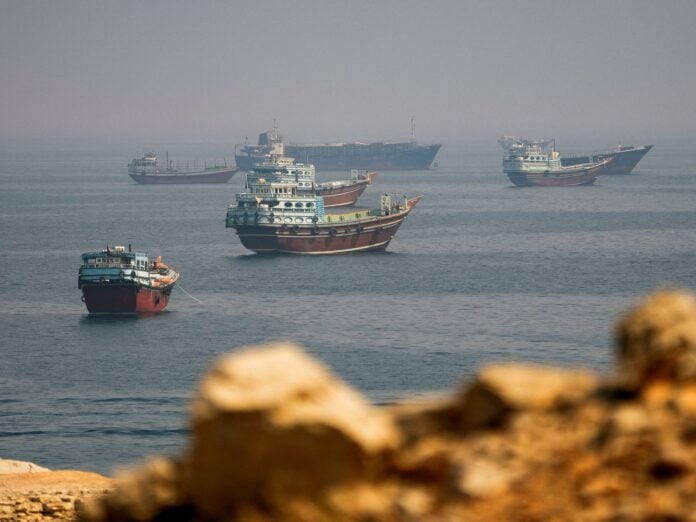
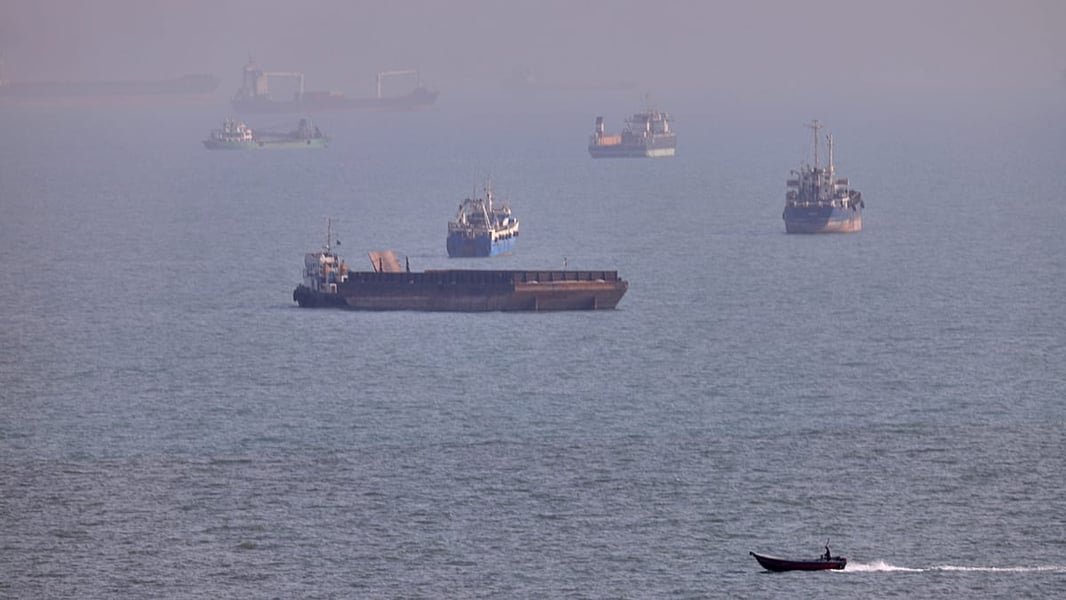
Rezaei, posting on X on Monday, did not engage with Trump’s framing. “Don’t get distracted by the U.S. president’s mixed signals, from ‘no negotiations’ to ‘we’re ready to talk,'” he wrote. “The stakes around oil and the straits have changed. Damage control won’t stop what’s coming. No talks until Iran’s conditions are met. Period.” The reference to “the straits” pointed directly to the Strait of Hormuz, whose disruption has defined the economic pressure of the ongoing conflict.
Iran’s Supreme National Security Council has rarely made public statements this categorical this early in a potential diplomatic opening. Rezaei’s appointment in August was itself significant: a former commander of the Islamic Revolutionary Guard Corps who served during the Iran-Iraq war, he is not a figure associated with diplomatic compromise. His elevation to the security council’s top role came as Iran’s military posture hardened following the failure of earlier Omani mediation efforts, and his tone on Monday reflected that hardening. He did not leave room for ambiguity about whether there was a path forward through back channels while public rhetoric remained firm. There was, he indicated, no such path.
President Masoud Pezeshkian’s government has articulated its conditions in more structured terms. Iranian officials have said repeatedly that any engagement with Washington would require the United States to lift sanctions, halt what Tehran describes as unilateral economic pressure, and abandon what Iranian officials call military coercion, a reference to the US carrier presence in the Gulf and the ongoing strikes. Pezeshkian’s government also wants a region-wide ceasefire to accompany any diplomatic process, covering Lebanon and Gaza alongside Iran itself. None of those conditions were addressed in Trump’s Truth Social post.

Iran was on the agenda at last week’s White House meeting between Trump and Chinese President Xi Jinping, where the two leaders discussed whether Beijing could play a role in de-escalation. No joint statement emerged from those talks on the Iran file, and Chinese officials declined to characterise whether Xi had offered any commitment. The Xi-Trump White House summit had been framed as an opportunity to restart broader Iran diplomacy, but the meeting produced no visible movement on the question.
Trump’s suggestion that the United States might “keep the oil” is particularly difficult to square with any Iranian conception of what talks would be about. Iranian frozen assets, estimated at roughly $10 billion held under US-aligned financial restrictions, are among the central issues Tehran wants addressed before any process begins. A statement that appeared to assume continued US control over Iranian oil revenues, rather than their return, read to Iranian officials as evidence that Trump was describing capitulation, not negotiation.
What Trump meant by the phrase is not entirely clear. His Truth Social post also suggested the war would end “after the midterms,” a remark that appeared to tie any resolution to his domestic political calendar rather than to the substance of Iran’s demands. Middle East Eye reported that Iranian officials interpreted the midterm reference as confirmation that Washington was managing optics rather than pursuing a settlement.
What is not known is whether Rezaei’s statement represents a coordinated response from Tehran’s entire leadership or a harder line than Pezeshkian’s government would have chosen on its own. The Iranian president and his newly installed security secretary have not always presented identical assessments in public. Whether Rezaei’s categorical rejection on Monday was synchronised with the foreign ministry, or whether it left diplomats there less room than they wanted, was not something Iranian officials have addressed.