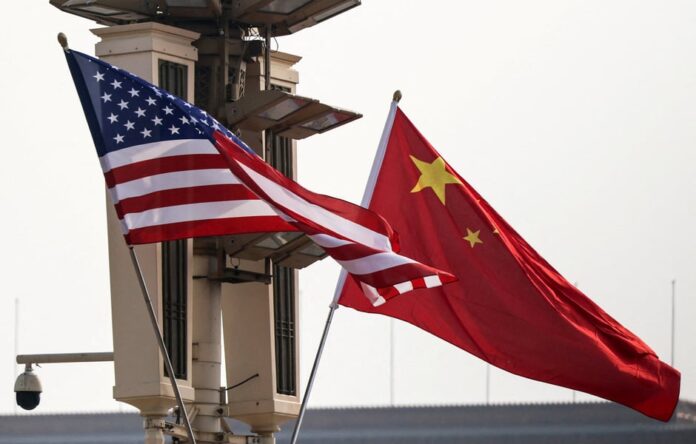

WASHINGTON — China’s largest energy supplier is neither Saudi Arabia nor Russia. It is Iran, a fact left unacknowledged by both governments in their pre-summit statements but central to the conversations the United States and China are about to have.
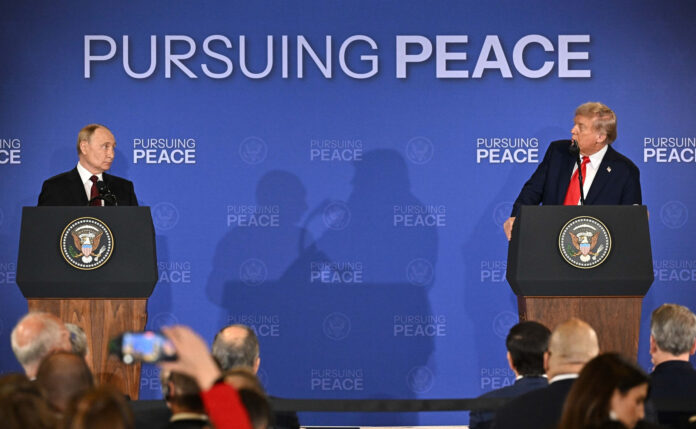
When Xi Jinping arrives at the White House on September 24 for his second summit with Donald Trump this year, the formal agenda is expected to include artificial-intelligence safety governance, a possible extension of the October 2025 trade truce, and further discussions of the joint trade and investment boards announced by both sides in Beijing in May.
What those items have in common is that none addresses the issue actually straining the relationship at its foundations.
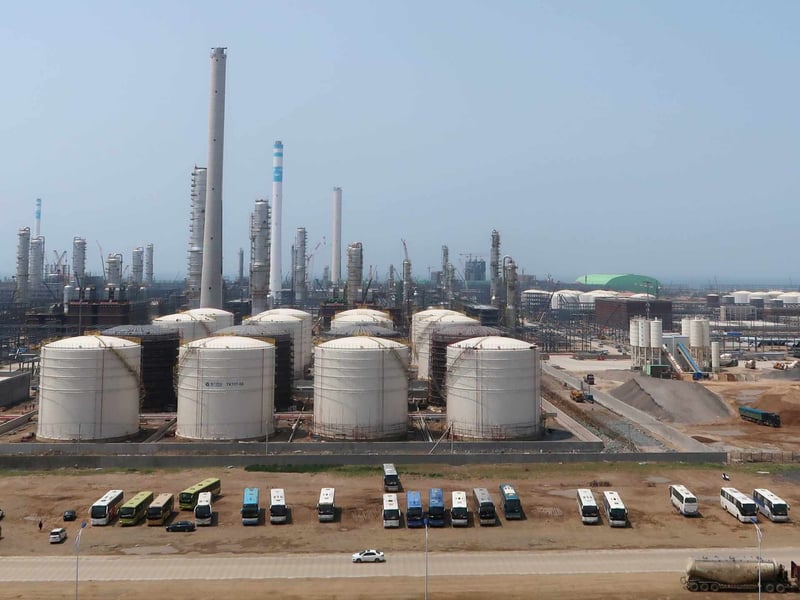
Iran provides China with roughly 1.5 million barrels of oil a day under informal pricing arrangements that Beijing has never publicly acknowledged. Those barrels come at a significant discount to market rates, a consequence of the international isolation that years of American sanctions have imposed on Tehran. The arrangement suits Beijing. It is also, as of August, precisely what the United States has threatened to punish.
Washington’s secondary sanctions campaign, which American officials have named “Operation Economic Outcast,” targets entities in third countries that continue facilitating Washington’s Iran nuclear sanctions pressure. The campaign was framed officially as a pressure tool on Tehran, but the practical target was Beijing. Chinese officials understood this immediately and responded by imposing parallel restrictions on American companies operating in Chinese artificial intelligence infrastructure markets. Neither side escalated to a confrontation. Both sides kept September 24 on the calendar.
The maneuvering around Iran has done something that the May Beijing summit was designed to prevent: it has pushed AI governance out of the center of the bilateral agenda and back to its proper status as a useful but secondary topic. Al Jazeera reported in late August that Iran had effectively displaced AI as the summit’s most structurally complicated item, with Washington warning that Chinese entities would not be exempt from economic consequences if they continued facilitating Iranian oil revenue.
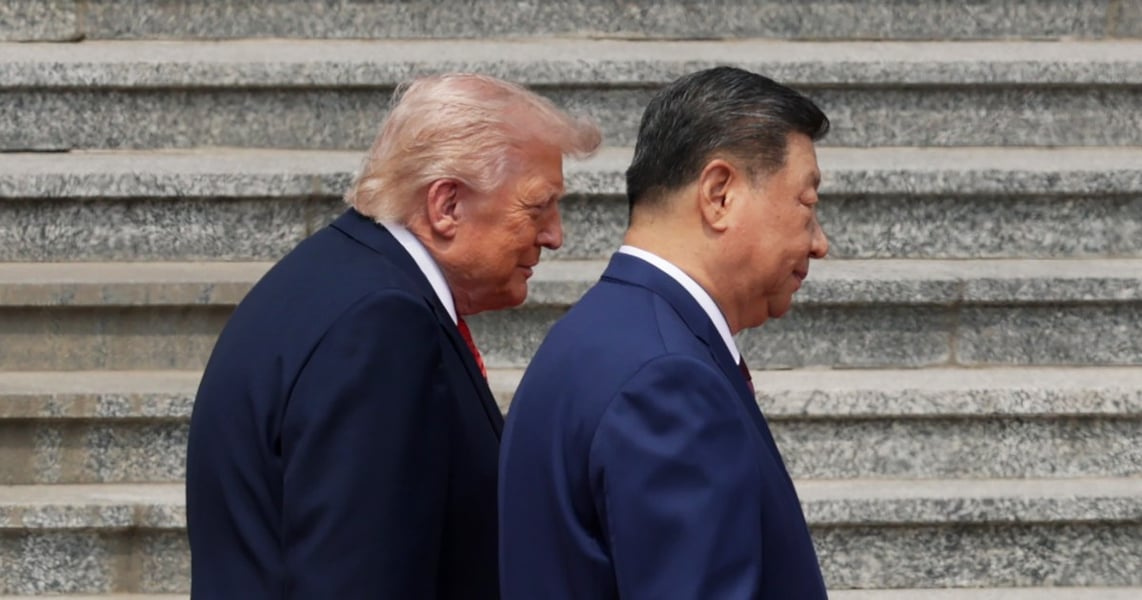
What China will offer instead is momentum. The summit is expected to formalize working groups under the proposed Board of Trade and Board of Investment, set a date for the next round of AI safety talks, and produce a joint readout using the phrase “constructive” at least twice. These are genuine diplomatic achievements in a relationship that has spent much of the past decade trying not to be in crisis. They are not what Washington’s more assertive voices want from the encounter.
The AI dimension of the summit is narrower than it appears in the pre-meeting framing. Both governments have described their working-level discussions since May as a kind of arms-control dialogue for artificial intelligence. NPR reported that American officials regard the AI talks as a track-two parallel to the nuclear risk-reduction dialogue that stabilized the Cold War at its most dangerous moments. What Washington actually wants from those discussions is for Beijing to stop providing AI-capable computing infrastructure to entities the United States believes are conducting offensive cyber operations. Beijing regards this as using safety language to extract intelligence concessions. China’s position, which Xi proposed at APEC in late 2025, is that any meaningful AI governance framework must be multilateral, not a bilateral American construct that other countries are expected to ratify after the fact.
On trade, the picture is more tractable. The Busan truce, the informal tariff freeze agreed in October 2025, has prevented the escalatory cycle that characterized the relationship in 2018. Analysts expect both sides will extend it for another year. The current pause benefits Chinese exporters and American manufacturers who depend on Chinese inputs alike.
Taiwan will be on the agenda in the sense that it is always on the agenda when the two leaders meet. At the Beijing summit in May, Xi delivered a direct warning about Taiwan to Trump, telling him that differences over the island’s status could lead to a clash neither side could walk back. NBC News reported that the warning was delivered with some firmness and that Trump’s response was described by people familiar with the exchange as non-committal. Nothing has changed on the substance since then. Xi will not need to repeat himself simply because the meeting has moved from the Great Hall of the People to the Oval Office.
The real test of September 24 is narrower than the summit’s pre-meeting coverage suggests. The US-China relationship is not going to be transformed by a single meeting. What the summit can do is demonstrate that the “constructive strategic stability” formula the two leaders adopted in Beijing in May still has enough political content to keep the US-Iran nuclear standoff from pulling the US-China relationship into a confrontation neither side has prepared for.
The Iran question will remain unresolved after Xi departs on September 25. The AI governance talks will continue without a framework agreement. The Busan trade truce will likely survive another year. What neither government has yet answered is whether the stability they are currently managing is stable in any meaningful sense, or whether it is simply the period between confrontations during which both sides schedule summits and describe what they found there as constructive.