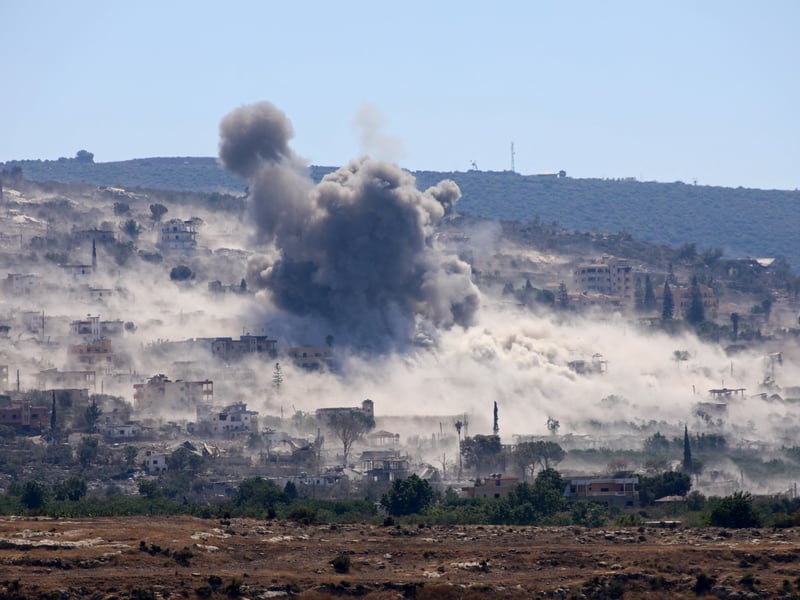

NABATIEH, Lebanon — The city was still trembling from aftershocks two days later when Joseph Aoun arrived Saturday for his first wartime visit to the south, entering a city no Lebanese president had visited since Israeli bombardment reshaped it. The ground registered 4.1 on the Richter scale when Israel detonated more than 1,100 tonnes of explosives inside the Ali al-Taher ridge on Thursday, destroying tunnels it described as Hezbollah’s central command complex. By the time Aoun walked through Nabatieh, flanked by army chief General Rodolph Haykal and a close security detail, the political message was inseparable from the rubble.
“Withdrawal, the return of prisoners and displaced people, and reconstruction are national principles we are committed to implementing,” the Lebanese president told residents gathered in the scarred city, in a rare unannounced movement for a head of state still navigating a live war. He was unambiguous on the issue that has stalled US-mediated negotiations for months: there would be no new talks with Israel until Israeli forces left Lebanese territory. “There are no new negotiations with Israel at the moment,” Aoun said.
The timing was pointed. A day earlier, a senior American official had confirmed that the next round of US-brokered talks, initially scheduled for Rome in the coming week, had been pushed back to October, Al Jazeera reported. The delay was attributed partly to the United Nations General Assembly convening in New York, the Jewish high holidays in mid-September, and an upcoming donor conference in Paris in support of the Lebanese Armed Forces. Instead, Lebanese and Israeli ambassadors would meet at the State Department next week for a narrower discussion on implementing the framework agreement signed in June.
That agreement, brokered by US Secretary of State Marco Rubio over four days of Washington talks, committed to a ceasefire requiring Hezbollah to withdraw from southern Lebanon, a condition Hezbollah has publicly rejected. Israel, in turn, insisted on maintaining a buffer zone inside Lebanese territory, arguing that northern Israeli communities would otherwise remain within range of Hezbollah rockets. The structural gap between the two positions has not narrowed in the months since the accord was signed.
What has narrowed is the civilian population of southern Lebanon, pushed out by an Israeli air and artillery campaign that Lebanese health officials say has killed more than 4,350 people since the war expanded in March. In the two weeks before Aoun’s visit, Israeli strikes claimed at least 29 lives in the Nabatieh area alone, including 12 members of a single family killed in Kfar Ramman, a village that neighbours the city the president was now standing in, Arab News reported.
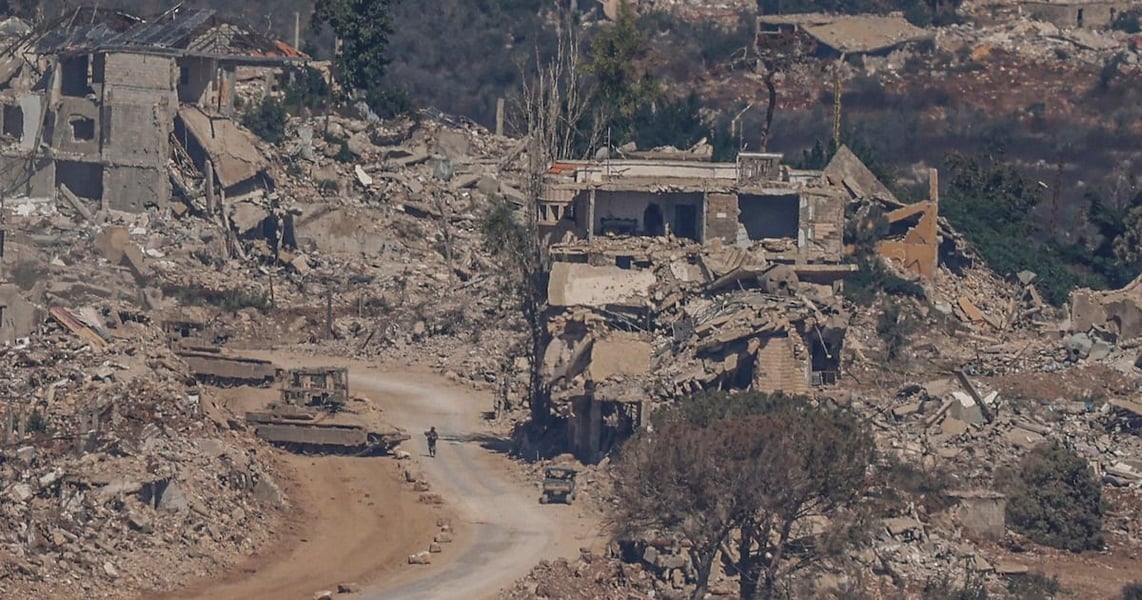
The Ali al-Taher explosion on Thursday came after weeks of escalating Israeli military action across the south. Israeli forces pushed toward Aita al-Jabal in late August in violation of UN Security Council Resolution 1701, with UNIFIL logging more than 1,030 Israeli projectile trajectories in a single week. The siege of Ali al-Taher itself had drawn a direct warning from Tehran in mid-August, when Iran publicly stated that any Israeli military move on the ridge would bring Tehran into direct escalation.
Israel has also repeatedly struck Nabatieh in the weeks since the June framework agreement, targeting a city that has become a proxy measure of whether that accord is functioning. By mid-August, UN peacekeepers were documenting the June 26 framework as structurally broken, with daily projectile counts peaking at 208 in a single day.
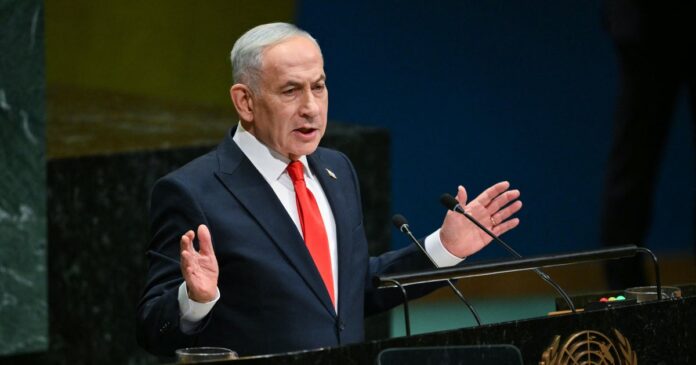
Prime Minister Benjamin Netanyahu and Defence Minister Israel Katz issued a joint statement Thursday, declaring that Israeli forces would remain in the area of the Ali al-Taher ridge permanently. The demolition, which the US Geological Survey registered as a 4.1-magnitude seismic event, destroyed what Israel described as Hezbollah’s Badr unit command centre, weapons storage rooms, and living quarters built into the ridge’s underground infrastructure.
Aoun’s position, that he will not return to the negotiating table until Israel begins withdrawing, sets him at increasing distance from a framework his own government nominally endorses. Lebanon’s ambassador will sit across from Israel’s ambassador at the State Department next week, but the document they will be discussing is one Lebanese officials are privately calling inadequate: a ceasefire structure that requires Hezbollah to act first and leaves the question of Israeli withdrawal deliberately unresolved, The National reported.
What the postponement to October buys is unclear. The diplomatic calendar offers one explanation. But the deeper logic is harder to dismiss: Israel’s military is making facts on the ground in southern Lebanon at a pace that appears to be outrunning any negotiating calendar. The Ali al-Taher ridge is now rubble and its tunnels sealed. What piece of southern Lebanon, if any, Israel intends to return, that question was left unanswered in Nabatieh on Saturday, by every official present.