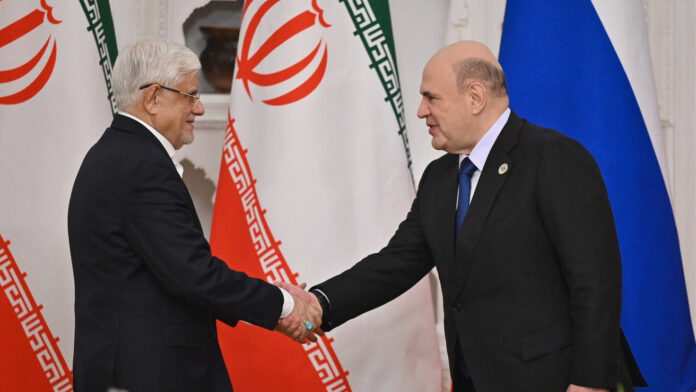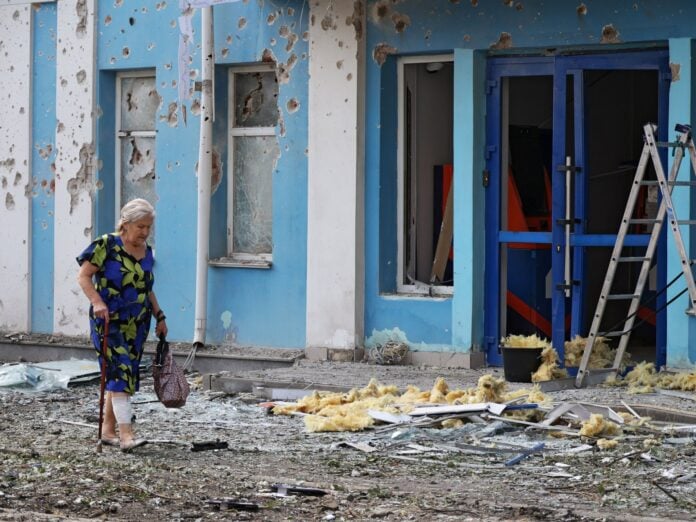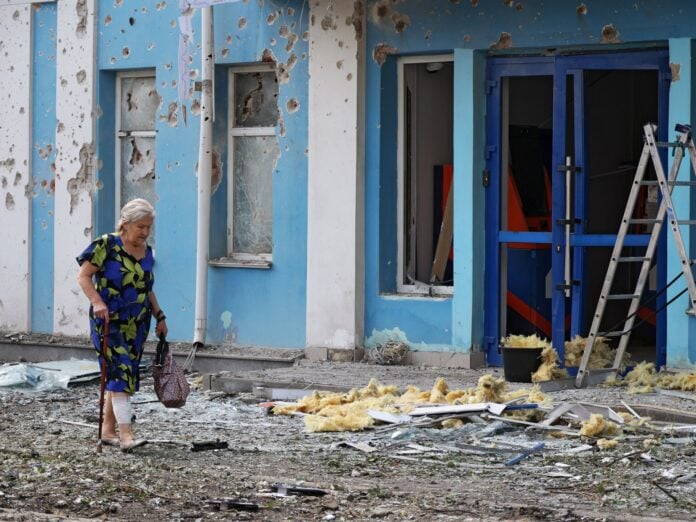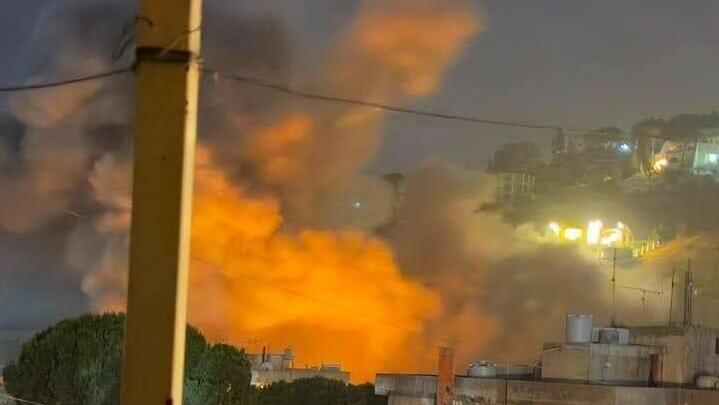

BEIRUT — Seven people were killed in Israeli strikes on southern Lebanon overnight Saturday, and by morning, Tehran had drawn a public line: any Israeli military move against the Ali al-Taher ridge would bring Iran directly into the fighting.
The warning, conveyed through diplomatic channels and confirmed by Israeli security sources, was unusual in its specificity. Ali al-Taher is a ridge in south Lebanon where Hezbollah fighters have been contained in a network of underground tunnels and fortified positions since Israeli forces tightened their siege in the months following the Gaza ceasefire. Iran’s message named the ridge and did not soften the threshold.
Ynet reported the overnight strikes hit the villages of Ansar and Nabatieh al-Fawqa and positions along the ridge itself. Two people were wounded. The IDF said the action came “in response to an action by the Hezbollah terrorist organization against IDF soldiers,” without specifying what that action was. The seven killed had not been named by Saturday afternoon.
The warning from Tehran arrives at the moment that Israel’s Lebanon position has strained its relationship with Washington. The United States told Jerusalem this week that a permanent Israeli military presence in south Lebanon “is not consistent with the commitments made in the framework,” a reference to the ceasefire terms that Israeli troops were supposed to be following. The statement made no visible impression on Israeli planning.
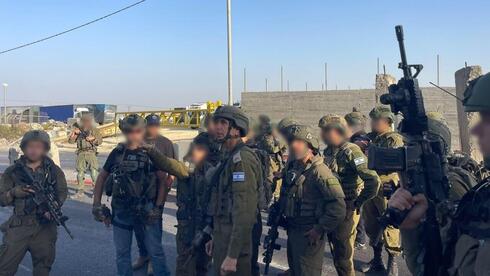
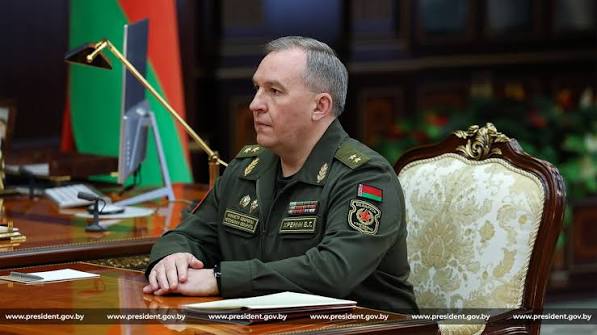
Defense Minister Israel Katz said Saturday: “The IDF is here to stay in the security zones in Lebanon, Syria and Gaza.” The three-country simultaneity of that phrasing matters. This is not the posture of a military campaign approaching conclusion. It is a declaration of intended long-term occupation, delivered the same week the United States told Israel to prepare a different exit.
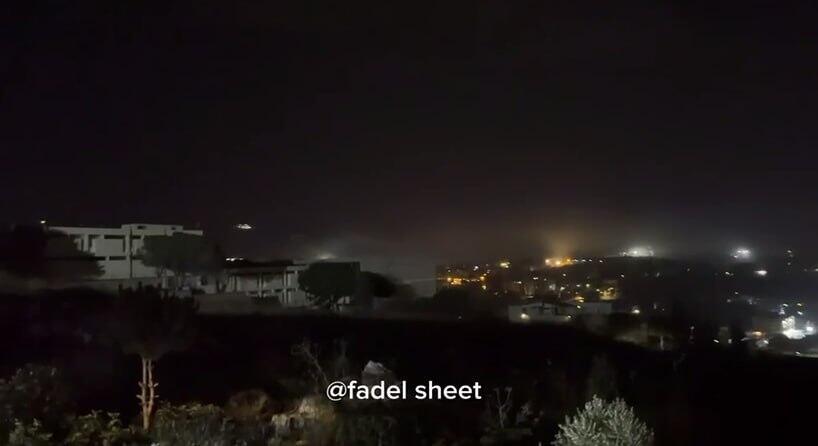
The Ali al-Taher ridge has become one of the most contested positions in the Lebanon theater because of what lies beneath it. Hezbollah built the underground infrastructure there over years before October 2023: tunnels and fortified chambers designed to survive aerial bombardment and sustain the kind of prolonged siege that assumes a long campaign, not a decisive engagement. The fighters who remain inside are trapped but not captured, dependent on supply lines that have been constrained without being fully severed. Israeli forces have meanwhile been training in the Nahal Kana valley on terrain that simulates Lebanese conditions, the preparation of units that do not expect to leave soon.
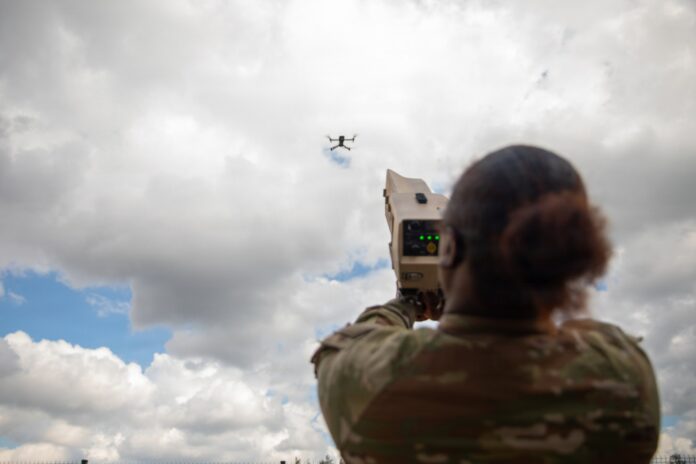
The tactical situation above ground has shifted as well. Hezbollah’s primary strike weapon along the Lebanon front is now the fiber-optic FPV drone, guided by a physical cable that no signal-jamming system can intercept. Every Israeli electronic countermeasure refined against radio-controlled explosives and earlier drone generations is ineffective against fiber-optic guidance. That adaptation has made forward IDF positions vulnerable to a weapon the most sophisticated electronic warfare system in the region cannot suppress, and it has slowed Israeli operations along the ridge.
Iran and Israel have been in a condition of managed indirect confrontation since the conflict began, with Tehran providing support to Hezbollah while Israel has struck Iranian assets in Syria and Lebanon, both sides avoiding the direct state-on-state exchange that would change the conflict’s character. The confrontation has extended to the Strait of Hormuz, where Tehran’s rejection of US diplomatic outreach earlier this week and Iran’s dismissal of American territorial claims over Hormuz as delusion have made clear that no immediate off-ramp exists on that front either.
A direct Iranian strike on Israeli territory in response to an Ali al-Taher operation would break the structure that has, until now, contained the conflict. It would move from proxy confrontation to a direct war between two states that have avoided that threshold for two years. The warning is designed, through deterrence rather than declaration, to prevent that outcome. “Entering the cycle of escalation” is a phrase calibrated to create uncertainty in Israeli planning without committing Tehran to a specific response. The ambiguity is the point.
What neither the warning nor Katz’s declaration resolves is the practical situation at the ridge: the IDF is not withdrawing, Iran has said it will respond if Israel moves, and the Hezbollah fighters inside the tunnel network are still there. The overnight strikes extended the siege without changing any of those facts.
Israel’s defense minister announced permanence in three countries on the same Saturday morning that Iran drew a line at one of them.