TEHRAN — In gas stations from Texas to California, the price of a gallon of regular fuel crossed $4.08 on Saturday, 29 percent higher than a year ago and still rising. The waterway responsible for the difference is the Strait of Hormuz, and Iran made clear it has no plans to reopen it on anyone else’s terms.
Iranian Foreign Minister Abbas Araghchi said Saturday that Tehran had “not yet made a decision to restart negotiations with the United States,” rejecting mediation frameworks proposed through both Qatar and Pakistan as falling short of genuine negotiation. The statement arrived on the six-month mark of what the White House initially described as a decisive military campaign. The campaign has not been decisive.
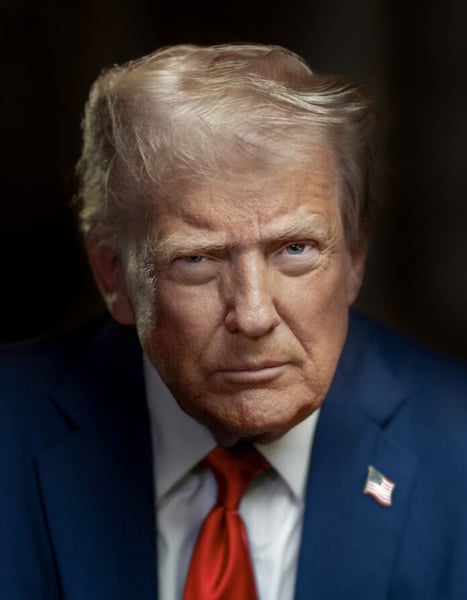
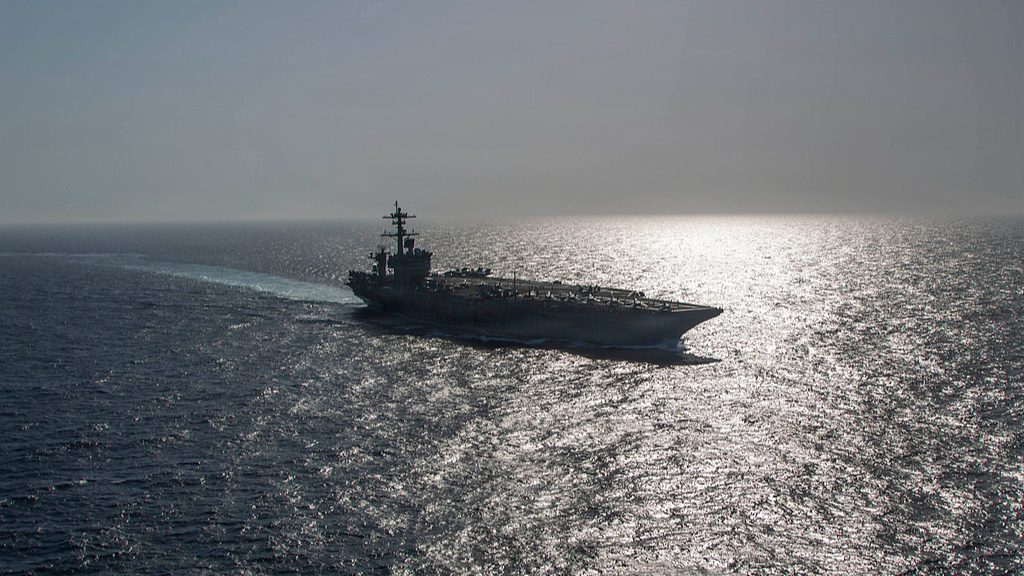
“This strait will be opened and closed only under Iran’s command,” Deputy Foreign Minister Kazem Gharibabadi said, dismissing the US position with a terseness that reflected something harder than diplomatic protocol. The line that drew more attention came in response to President Trump’s declaration that the United States intended to claim the Strait of Hormuz as its own territory. “The Strait of Hormuz cannot be seized by a tweet or an aircraft carrier,” Gharibabadi said.
Trump’s original statement carried no precedent in international maritime law and no enforcement mechanism that any legal analyst has been able to identify. “After we finish defeating Iran, which is being very badly defeated, pretty soon I’ll be declaring the Hormuz Strait a territory of the United States,” he posted. The Strait of Hormuz is an international waterway passing through Iranian and Omani territorial waters. Unilateral sovereignty declaration by a third party is not a recognized legal concept. Iran noticed the gap between the claim and the capability.
On Friday, only three vessels transited the strait. No crude oil shipments were visible among them. Oil futures climbed more than a dollar per barrel on those numbers, adding to a sustained rise that began when shipping lanes through the strait effectively closed as US military operations failed to dislodge Iran’s enforcement posture.
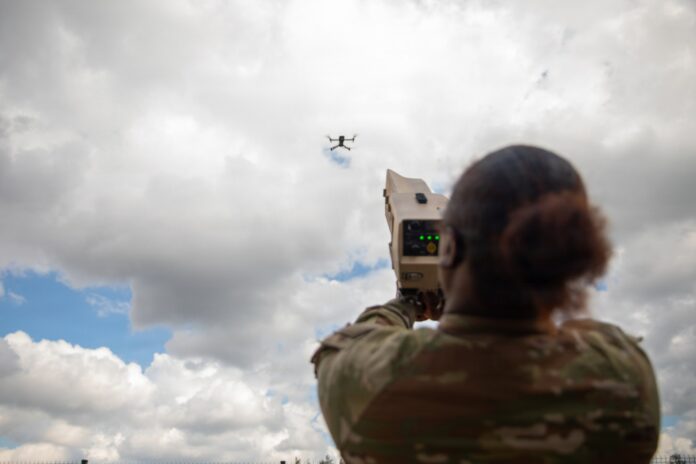
Iran’s parliament formally endorsed Hormuz control last week, giving institutional backing to the IRGC’s interdiction campaign. Six months into the conflict, the Revolutionary Guard has shot down approximately 45 American MQ-9 Reaper drones, roughly a quarter of the entire US fleet, including one on Friday using what Iranian officials described as a newly deployed air defense system. The strategic math that American planners drew before the conflict began did not include this attrition rate.
Iran is working with Oman on an alternative. The two countries have been in discussions about establishing temporary shipping routes that would allow certain transit contingent on a political resolution, according to Al Jazeera. Oman occupies the southern shore of the strait and has maintained working diplomatic relations with both Tehran and Washington throughout the conflict, a position that has made it indispensable as a channel when others have closed. Whether any of that channel produces movement depends on conditions that do not yet exist.
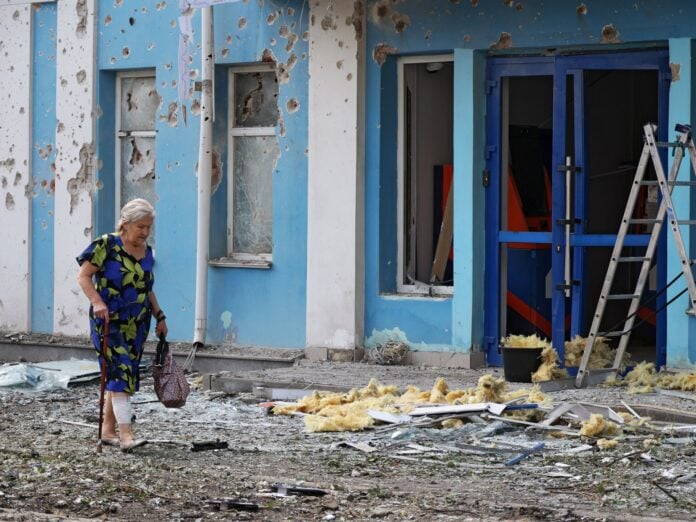
The practical consequence for global energy markets is already visible. A strait that once carried roughly 20 percent of the world’s crude oil by volume has been functionally closed for six months. The price effect at US gas stations is the most visible cost to ordinary Americans of a conflict the administration framed as quick and conclusive. Araghchi blamed the United States directly for what he called “renewed violence” and said a new conflict resolution framework would be required before any negotiations could begin. He did not specify what that framework would look like.
Iran’s position has been consistent: the United States is the party that imposed sanctions, launched or endorsed military operations, and now seeks to claim a strategic international waterway. Negotiations proceed from that accounting, or they do not proceed. The regional conflict continues to widen, with Lebanon’s south among the secondary theatres adding to the pressure on Gulf energy routes.
What happens next inside the Treasury Department’s sanctions architecture is uncertain. What happens at the pump when the next oil price data reaches consumers is not. Bessent’s “unprecedented measures” will be judged against that baseline. Six months of military operations have produced a quarterly loss of 25 percent of America’s Reaper drone fleet, a sustained oil price shock, and an adversary that has not moved.