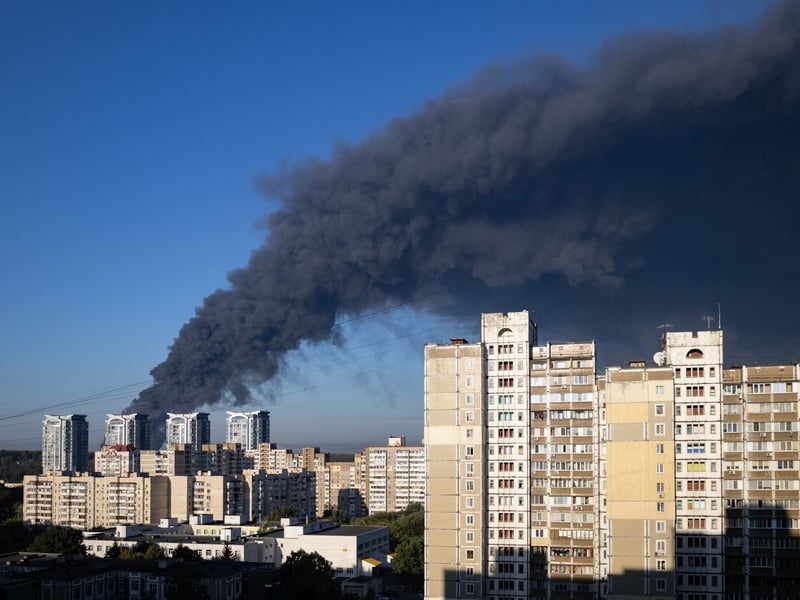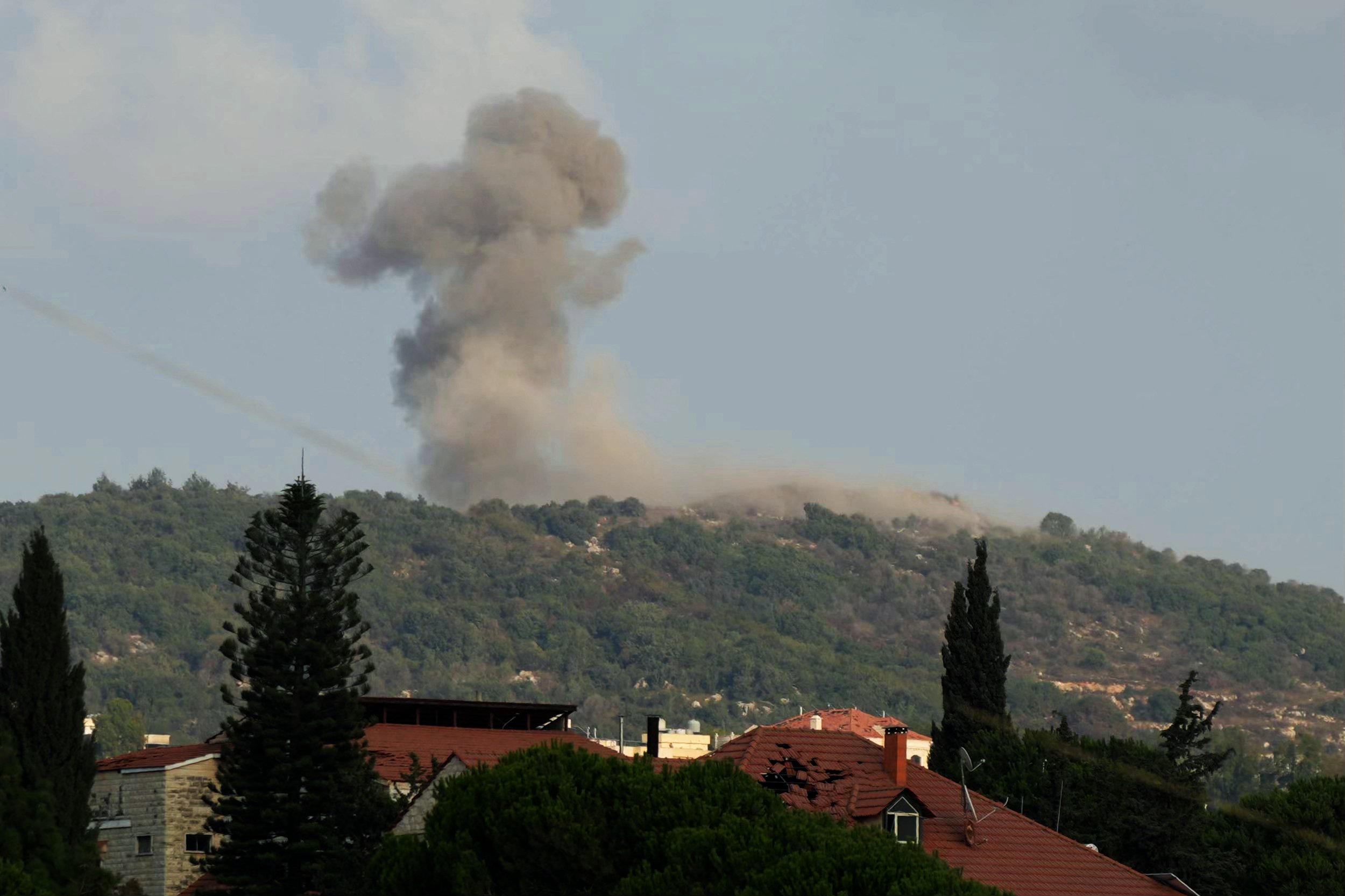

BEIRUT — Seven people were killed and three others wounded when an Israeli air strike flattened a house on the outskirts of Ansar in the Nabatieh district of southern Lebanon on Saturday morning, the deadliest attack since a US-sponsored framework agreement in June was supposed to bring a sustained reduction in hostilities.
The strike on Ansar came as part of a wider barrage across the south that Israel carried out without advance warning, according to Lebanon’s National News Agency. Emergency teams were “working to remove rubble and transfer the dead and wounded to hospitals,” the agency reported, though the identities and affiliations of those killed, whether civilian residents or Hezbollah-linked fighters, had not been established by Saturday afternoon.
The agreement brokered through Washington in June, following a US-Iran memorandum signed the same month, committed Israel to withdrawing forces from Lebanese territory and required Hezbollah to disarm in the south while the Lebanese army deployed to replace it. It was presented at the time as the architecture of a durable end to hostilities. Saturday’s strikes, reaching deeper into the south than anything since the accord, suggest the architecture has failed.
Naim Qassem, the Hezbollah secretary-general, turned his sharpest language not toward Israel but toward Lebanon’s army commanders. “How can you accept this ongoing humiliation of the Lebanese army, exposing it to bombardment and Israeli pressures, instead of acting as its protectors?” he said, framing the strikes less as a military matter and more as a political test of whether Lebanese institutions would continue to absorb Israeli punishment without response.
Beyond Ansar, Israeli aircraft struck the Ali al-Taher Ridge in the Nabatieh district, a teachers’ training centre, the Husseini club in Nabatieh al-Fawqa, and targets in the towns of Bint Jbeil and al-Mansouri, a geographic spread that reached well beyond the buffer zones Israel unilaterally designated in the south. Lebanese army units confirmed to the national news agency that Israeli fire struck several positions in areas where army deployment had been agreed as part of the June framework, striking at the heart of the accord’s central premise.
Israeli officials offered no comment on the specific strikes by Saturday evening. Israel has maintained that its operations in Lebanon target Hezbollah military infrastructure, characterising continued attacks as necessary to enforce the terms of the framework agreement, though it has applied those terms selectively and refused independent monitoring.
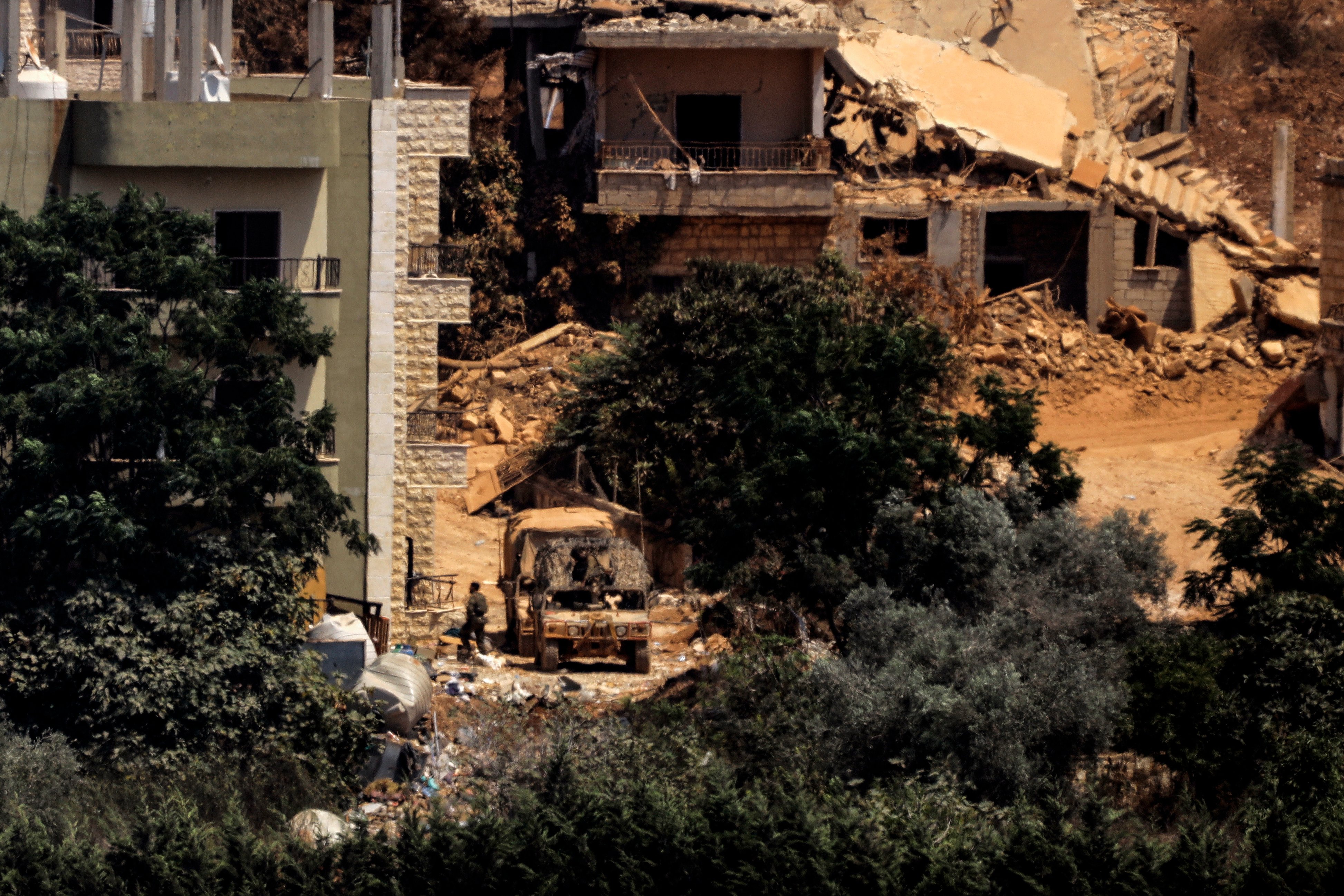
The second round of Rome talks concluded in early August with a joint statement from Lebanese and Israeli negotiating teams but no binding enforcement mechanism. Lebanon’s delegation argued that Israeli strikes on territory the Lebanese army had moved into were a direct violation of the June agreement; Israel’s delegation argued the army had not done enough to push Hezbollah back from positions near the Israeli border. The talks ended with both sides accusing each other of non-compliance and no third round scheduled.
The eastern ridge of Ali al-Taher, which overlooks both the Litani River basin and Israeli positions to the south, has been struck repeatedly in recent weeks. Military analysts who track Israeli operations in Lebanon have described the ridge as terrain Israel intends to keep the Lebanese army away from, whatever the framework says. Saturday’s attack on those positions, combined with strikes on civilian infrastructure in Nabatieh, marked the most intense single day of Israeli operations in Lebanon since June.
Eastern Herald’s reporting on the breakdown of the pilot-zone arrangement in Bint Jbeil documented how the June framework’s enforcement depends entirely on Israeli restraint, a condition Israel has not accepted. The overnight shelling of southern Lebanon in early August already signalled that the framework was not holding. Saturday’s attack was the largest yet.
Qassem’s challenge to Lebanon’s military establishment landed in a political vacuum. The Lebanese army has been careful since June not to directly confront Israeli forces. Shia political leaders are now pressing the army to explain what its deployment into the south has achieved if Israel can still strike anywhere in the Nabatieh district it chooses and face no consequence from Lebanon’s own military.
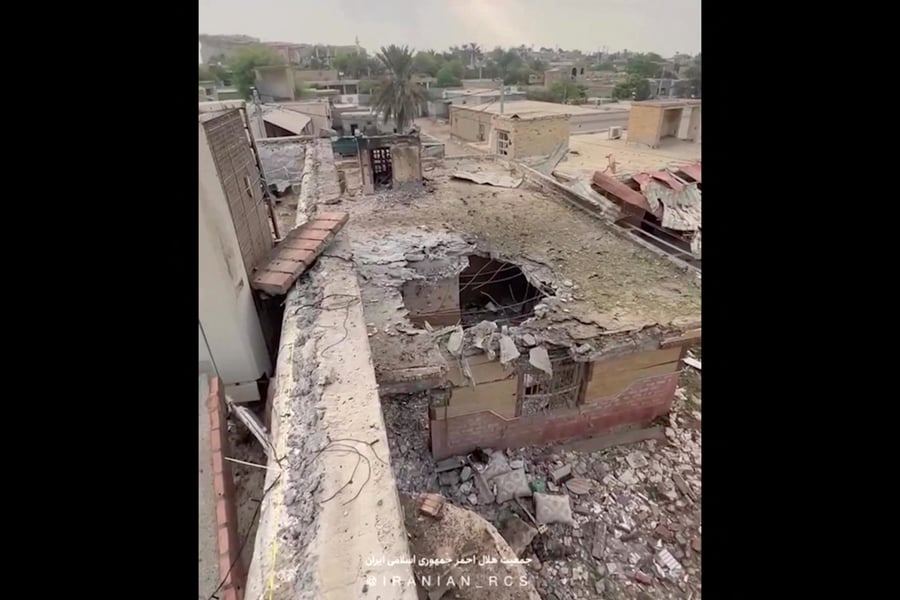
What the attack produced on the ground in Ansar was a building reduced to concrete and dust on a Saturday morning. Emergency teams from the Lebanese Red Cross and civil defence units worked through the day pulling people from the rubble. Whether the seven dead had been inside the house as ordinary residents or were there for other reasons is unknown. Israel has not said what it believed the building contained. Lebanon’s government has not said either. The families of the dead have not yet been named publicly.
Related Posts