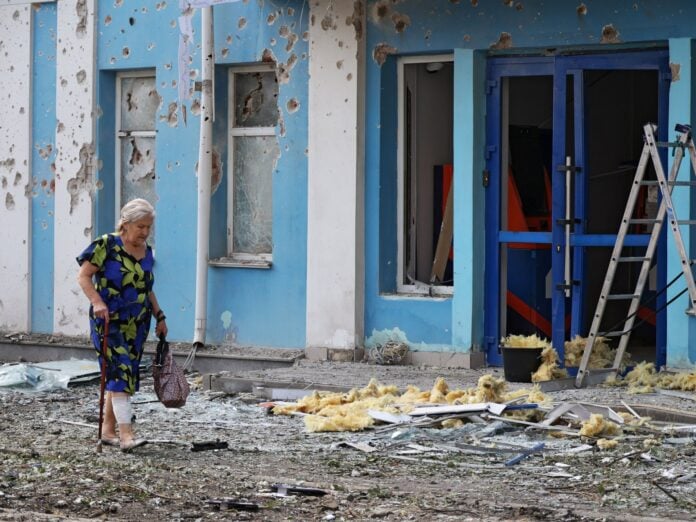

BEIRUT – The residents of Ghandouriyeh returned to rubble and broken glass this week, filing back into a village in southern Lebanon’s Bint Jbeil district under a diplomatic framework designed to formalize their return. What they found undermined the framework’s premise: Israel had never occupied the village to begin with.
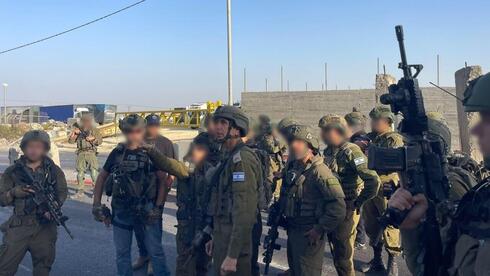
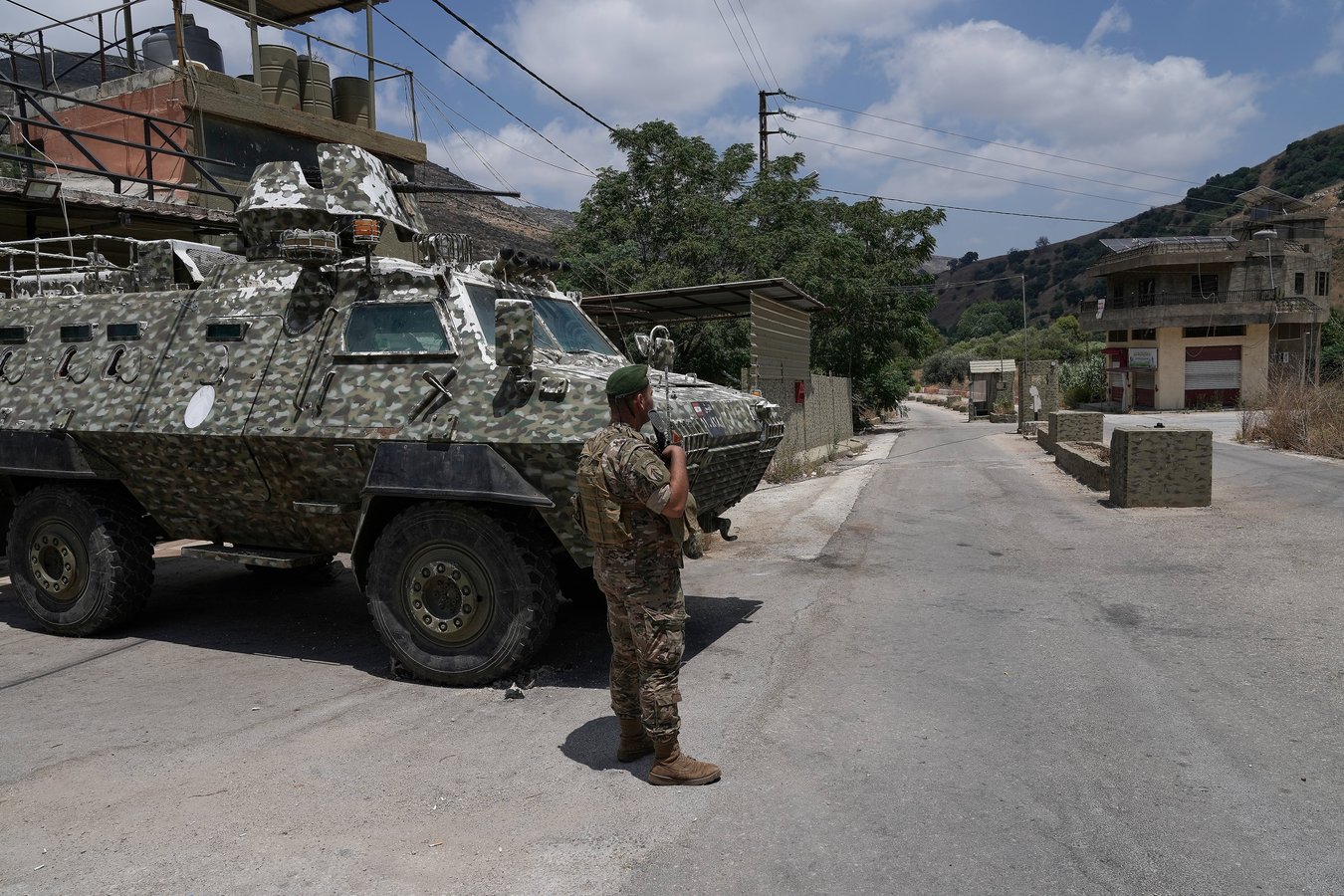
“Israel wants to sell us and the state empty walnut shells, calling it a pilot zone, when they never even entered it,” said Mohammed Nader, the head of Ghandouriyeh’s municipal council. The Lebanese army was present, with patrols and checkpoints, but the Israeli military was not, because it had never established a presence in Ghandouriyeh to withdraw from.
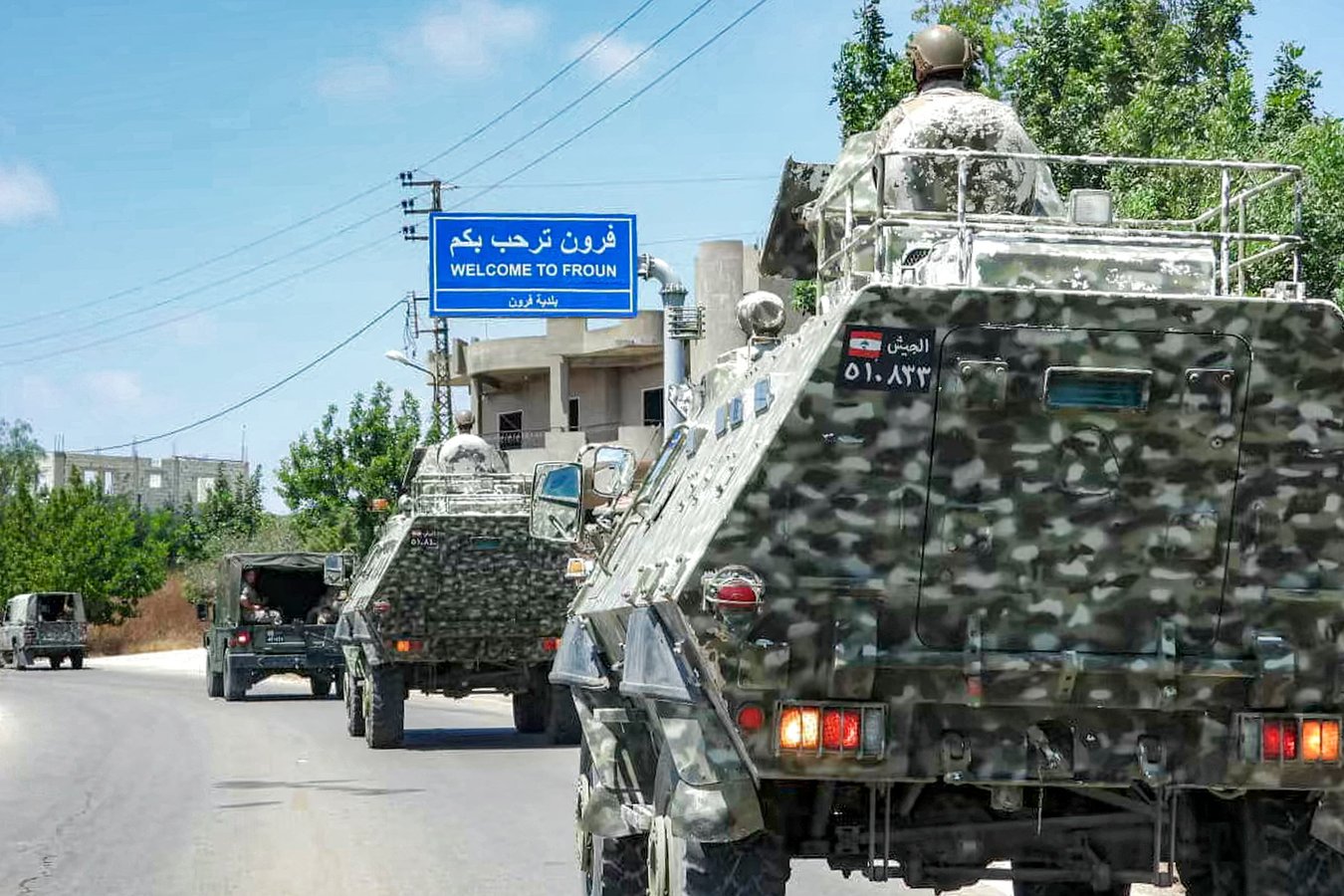
The same was true of Froun and Zawtar el-Gharbiya, two other villages in the Bint Jbeil district included in the first wave of the pilot zone. Lebanese security sources confirmed that none of these villages were ever occupied by Israeli forces during the conflict that began in March 2026 and has since killed more than 4,300 people in Lebanon, according to Lebanese health ministry figures.
The pilot zone framework was part of a June 2026 ceasefire agreement brokered by the United States between Israel and Lebanon. Under its terms, Israel agreed to withdraw from designated areas in stages, with a handful of villages identified as a “pilot” for civilian return, a proof-of-concept before wider pullback. The Lebanese army would assume control, in a deployment the agreement’s architects presented as a bridge toward full implementation of UN Security Council Resolution 1701, which requires Hezbollah to withdraw north of the Litani River and Israel to leave Lebanese territory.
What the pilot zone now reveals is that its first chapter is a negotiating gesture rather than a territorial concession. The villages designated for initial return were not, according to their own residents and Lebanese security officials, under Israeli control in the first place.
Abu Ali Miqdad, a local businessman returning to Froun, described the situation in terms that made the political frame seem distant. He said residents had begun “clearing the rubble and rebuilding, even under bombardment.” The phrase contains the full paradox of civilian return in southern Lebanon: permission to come back, and no safety guarantee in staying. The village’s streets were damaged. Homes needed clearing. The Lebanese army had established checkpoints. But the reason for those checkpoints, Israeli withdrawal, was notional in Froun’s case.
The conflict itself began in earnest in March 2026, when Israel launched an expanded ground operation in southern Lebanon following months of cross-border exchanges tied to the Gaza war. Before the June 2026 ceasefire, an estimated one million Lebanese had been displaced, the largest displacement in the country’s recent history according to humanitarian organizations. The south bore the heaviest burden: village after village was emptied, and much of the Bint Jbeil, Nabatieh, and Tyre districts were left structurally damaged or destroyed.
The Lebanese government has formally welcomed the pilot zone returns as a first step toward implementing the ceasefire agreement. Lebanese President Joseph Aoun has publicly framed the framework as a transitional mechanism while Lebanon pursues full Israeli compliance. Aoun visited Washington earlier this month to press American officials directly on Israeli withdrawal timelines, seeking binding commitments that have not materialized.
Israel’s position is that full withdrawal is conditioned on Hezbollah’s disarmament. Hezbollah, having been formally excluded from the negotiations that produced the June 2026 ceasefire, has not committed to surrendering weapons without reciprocal guarantees, particularly while Israel maintains military pressure in the region and conditions its withdrawal on a security architecture that the movement had no part in designing.
That exclusion set the terms for the current impasse. The ceasefire between Israel and Lebanon was reached under American pressure in June 2026, with Hezbollah absent from the signing, a structural omission that left the agreement’s most difficult requirement, Hezbollah disarmament, without a party to negotiate it with.
The ceasefire has held through the first weeks of July. Israel has not formally committed to a timeline for full withdrawal beyond the pilot zone. The pilot zone itself covers, so far, villages that were not occupied. The diplomatic signal it sends, that a framework exists, that the Lebanese army is deployable, that returns are possible, is real. What it cannot yet demonstrate is whether Israel will withdraw from territory it actually controls.
Resolution 1701, passed in 2006 after the previous major Israel-Lebanon war, required Israeli withdrawal and Hezbollah disarmament. Neither happened in full. The current framework attempts a different sequence, beginning with civilian returns in unoccupied villages and building toward full withdrawal, but it is not yet clear whether the sequence leads anywhere Israel is willing to go.
For the residents of Froun and Ghandouriyeh, the political architecture is secondary to the material fact of their return. They are back in villages emptied, damaged, and left without electricity or running water by months of conflict. No reconstruction funding commitment is in place. No international donor conference has been scheduled. Humanitarian organizations say damage across southern Lebanon will take years to address. Al Jazeera reported that residents in both Froun and Ghandouriyeh described the destruction as extensive despite neither village having been directly occupied.
Mohammed Nader’s phrase captures something that gets lost in the formal language of pilot zones and trilateral frameworks. The walnut shells are empty. Whether the pilot zone expands from these symbolic first villages into territory Israel actually holds, and whether Hezbollah accepts the disarmament conditions attached to that expansion, are the two questions the ceasefire cannot yet answer.