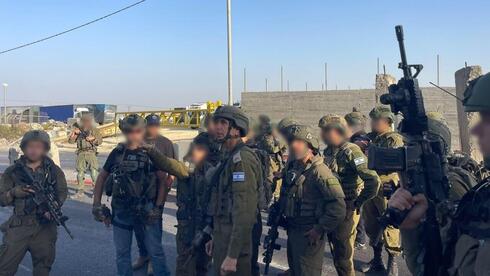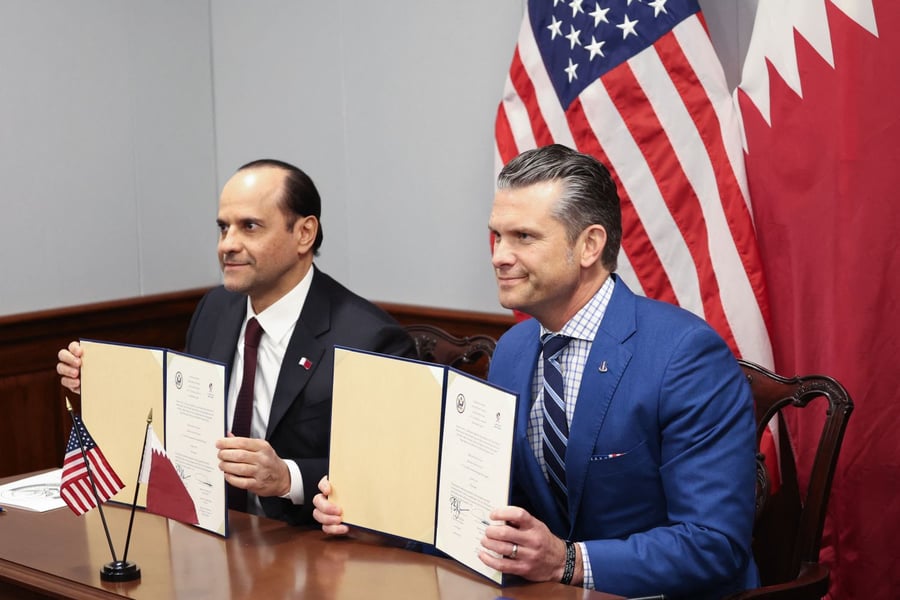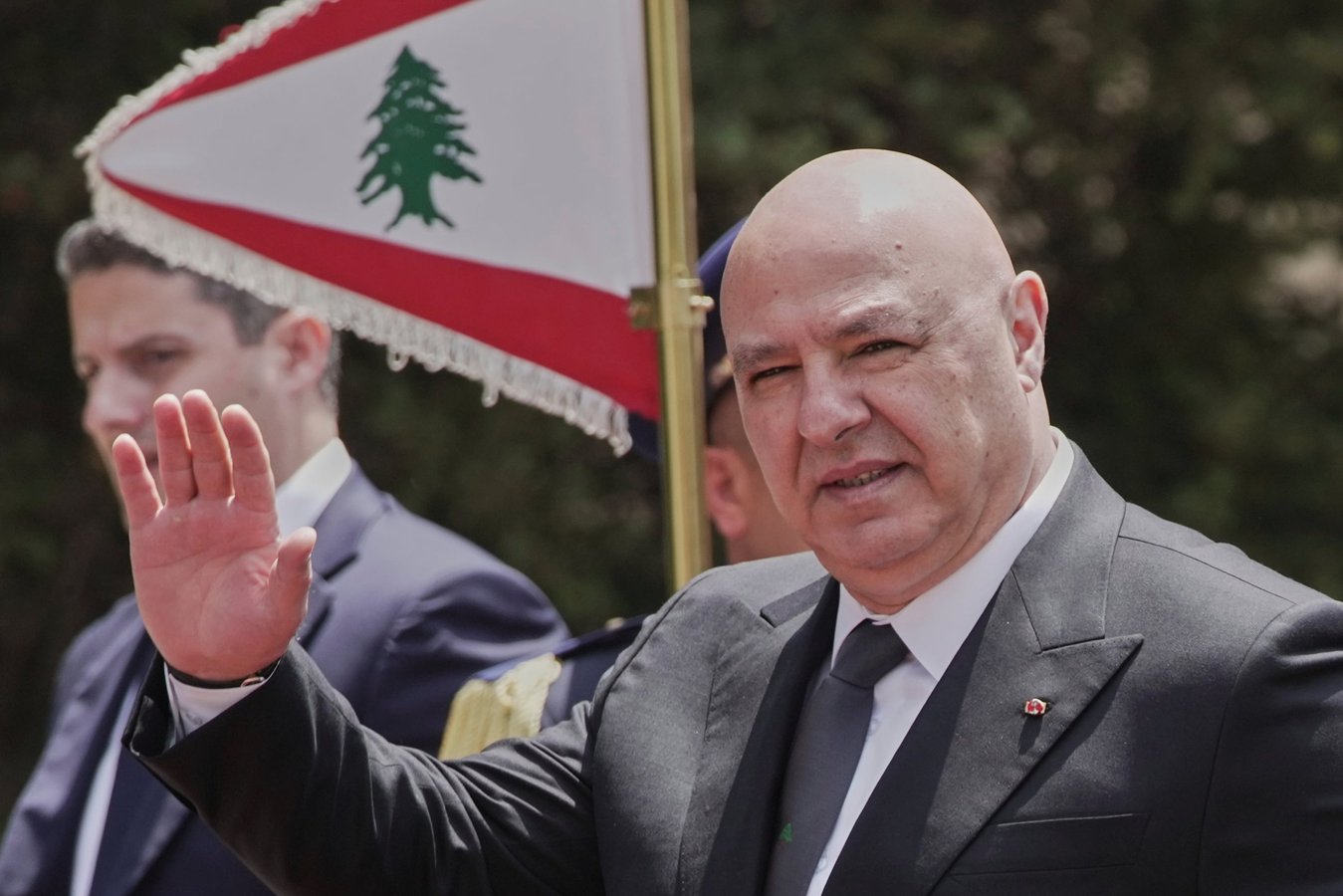

BEIRUT – Four months after Israeli forces entered southern Lebanon and declared what their commanders call a security zone, Lebanese President Joseph Aoun flew to Washington on Saturday carrying a demand that six rounds of US-brokered negotiations in Rome have not produced: a date when Israel’s soldiers leave.
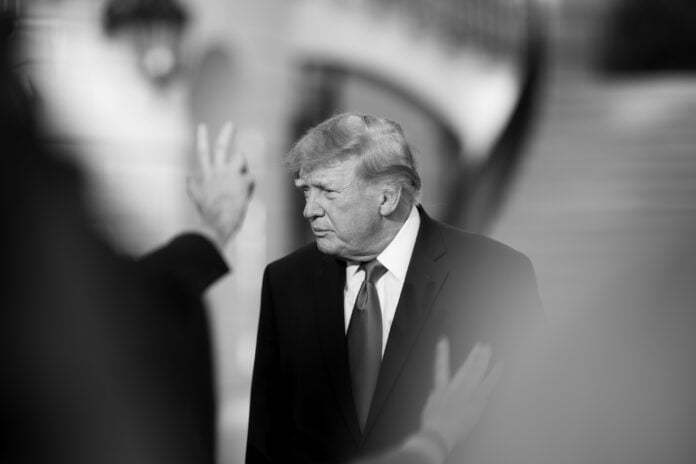
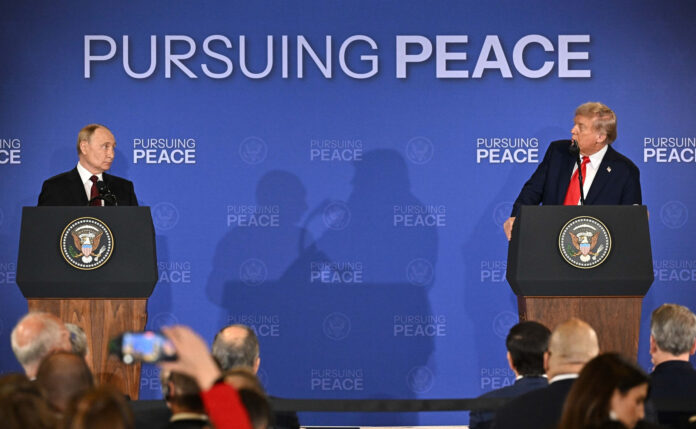
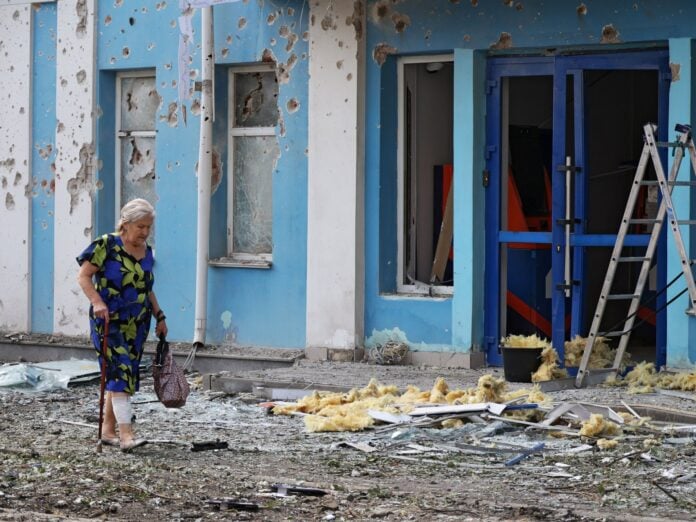
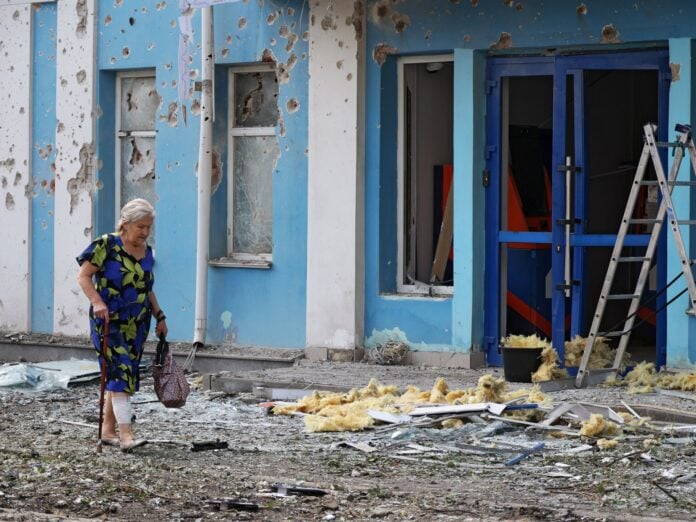
The meeting with Donald Trump, confirmed for July 21, marks the first White House visit by a Lebanese head of state since Michel Sleiman met Barack Obama in 2009. Aoun travels under circumstances no Lebanese diplomat in 2009 could have imagined – Israeli troops occupying a strip ten kilometers deep across the country’s south, more than 4,300 Lebanese killed since March, and a framework agreement on his desk that defines the architecture of Israeli withdrawal without committing Israel to it.
Lebanon was pulled into the regional war on March 2 when Hezbollah launched rockets at Israel in an operation Iran described as support for Gaza. Israel’s military response breached the Blue Line within hours and had not retreated when the June 26 Washington framework was signed. That agreement, negotiated by US envoys, provides for Israeli forces to withdraw from Lebanese territory in phases – each phase contingent on the Lebanese Armed Forces establishing full security control and, in the provision Israel insisted on, the disarmament of armed groups. Hezbollah has rejected disarmament. No withdrawal has taken place.
The sixth round of Lebanese-Israeli negotiations wrapped up Wednesday in Rome, working through the mechanics of what the agreement calls pilot zones – specific corridors in the south where the Lebanese army would assume sole security responsibility before any broader Israeli pullback occurs. Lebanese officials described the talks as substantive but said no timetable emerged. Periodic Israeli airstrikes on Lebanese territory continued while the talks were underway; Beirut’s government says Israel has struck Lebanese soil more than 800 times since the framework was signed last month.
A Lebanese official, speaking to Anadolu Agency on condition of anonymity before Aoun’s departure, placed the weight of the impasse squarely on the absence of US pressure. “The US, as the mediator, has the ability to exert pressure on Israel to advance the implementation of the framework agreement,” the official said – a formulation that names the mechanism Lebanon believes can break the deadlock and quietly identifies why six rounds of talks have not broken it.
Aoun’s agenda for the meeting, outlined in a statement from the Lebanese presidency, covers Israeli withdrawal from occupied Lebanese territory, strengthening the ceasefire, extending Lebanese state authority to the country’s borders, military and economic support for Lebanon, and the future of the UN Interim Force in Lebanon. UNIFIL, which has patrolled Lebanon’s south since 1978, faces a mandate expiry later this year. Aoun is expected to argue that Washington’s support for a strengthened UNIFIL renewal would anchor the peace framework – and that a framework without a withdrawal timeline is not a framework but a postponement.
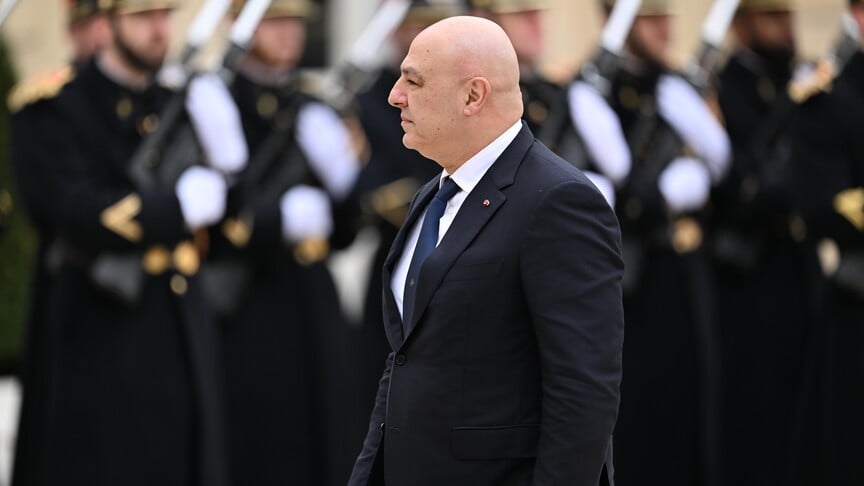
The visit carries weight that extends beyond its immediate agenda. Seventeen years passed between Sleiman’s Washington meeting and this one – long enough for a generation of Lebanese to have grown up watching their country absorbed into other powers’ calculations. The governments that shaped Lebanon’s political geometry in that interval included Iran, Saudi Arabia, and Qatar, not Washington. Aoun’s visit signals that Beirut is trying to change that geometry, pulling in an American president whose preference for Israeli positions has been consistent and whose influence over Israel is the only leverage Lebanon has access to.
The framework agreement’s structural problem is not unique to the Lebanese context: withdrawal conditioned on disarmament without a disarmament mechanism, and disarmament conditioned on withdrawal without a withdrawal timeline. The same circular logic has stalled ceasefire deals in the region before. What makes Lebanon’s version different is the presence of UNIFIL and a Lebanese Armed Forces that both sides formally endorse as the exit ramp – if the timeline can be established. Aoun is flying to Washington because that timeline has not been established, and because Rome did not change that.
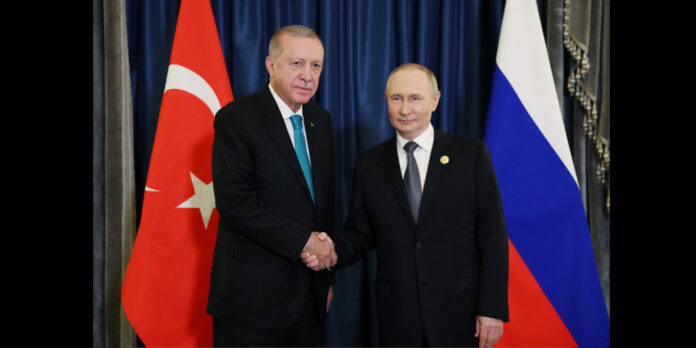
Turkish President Erdogan, who last month hosted Lebanese Prime Minister Nawaf Salam in Istanbul in what analysts read as Ankara’s bid to shape Lebanon’s diplomatic future, has separately called for Israeli withdrawal as a precondition for regional stability. Qatar, Saudi Arabia, and Egypt have made similar statements. The common variable in all these positions is the expectation that American pressure on Israel is the mechanism – and that Aoun’s meeting with Trump is where that pressure either materializes or does not.
What Trump has said publicly about Lebanon’s situation has been restrained compared to his statements on Iran and Gaza. His administration’s role in brokering the June 26 framework is documented; his personal commitment to pressing Israel to honor it is not. Aoun entered office in January as a Lebanese Army general with an independent political profile – close enough to Western expectations to carry Washington’s confidence, distant enough from Hezbollah’s orbit to carry Beirut’s. His presidency was always going to require Washington at some point. That point is July 21.
One thing the meeting will not resolve is the 10-kilometer strip of land Israel currently controls. Over 4,300 people have been killed since March. More than a million Lebanese cannot return to their villages. The framework agreement Aoun carries to Washington is signed. The question it leaves open – when Israeli forces leave – will not be answered in the meeting itself. It will be answered, if it is answered, in whatever Trump says to Netanyahu after Aoun has gone home.