
BEIRUT – Nabih Berri, the Lebanese parliament speaker who has pledged to block the US-brokered Israel-Lebanon framework, speaks regularly to Iranian officials. He is, by most accounts, Iran’s most reliable interlocutor in Lebanon. That makes his position on the framework worth reading carefully: Iran is demanding that Israel comply with the all-fronts clause of the Islamabad MoU, which requires de-escalation across the region including Lebanon; and the mechanism the United States has designed to achieve that compliance is precisely what Berri has committed to defeating in the Lebanese cabinet.
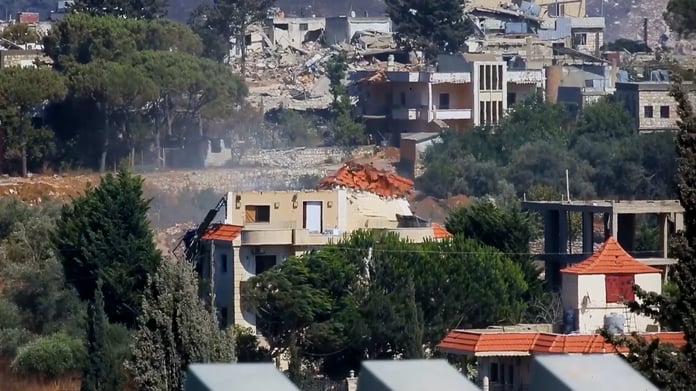
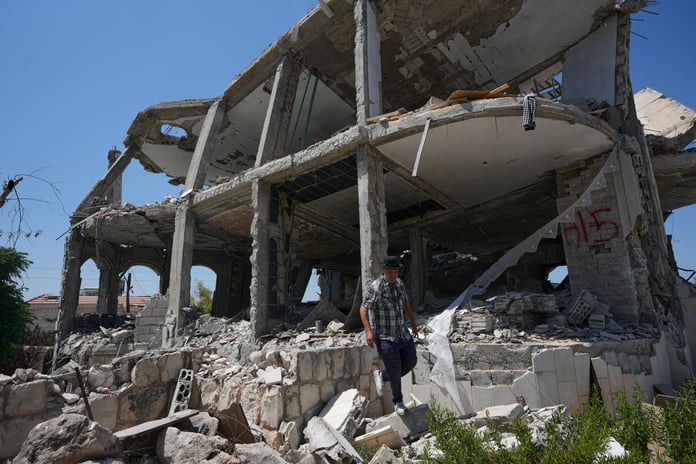
The June 26 Washington framework defines what Lebanese clause implementation looks like in practice. It establishes “pilot zones” in southern Lebanon where the Lebanese Armed Forces would become the sole armed force on the ground – displacing Hezbollah’s operational presence. It limits Lebanon’s recourse to international legal remedies against Israel. Under Lebanese constitutional rules, it requires two-thirds cabinet approval to become binding. Berri does not have the votes to block it alone. Hezbollah has rejected the deal outright. President Joseph Aoun supports it. The deal’s fate rests with centrist and independent ministers who have not committed either way.
Israel’s position, separately, has not moved. Netanyahu has stated that Israel will not withdraw from its positions in southern Lebanon, with his defense minister going further and adding the qualifier “even if requested by the US.” The MoU’s Lebanon clause requires the same Israeli withdrawal the framework is supposed to produce. Without the Israeli withdrawal, the clause is unimplemented. Without the framework, there is no agreed mechanism to produce the withdrawal. And without the framework passing in Beirut, there is no framework.
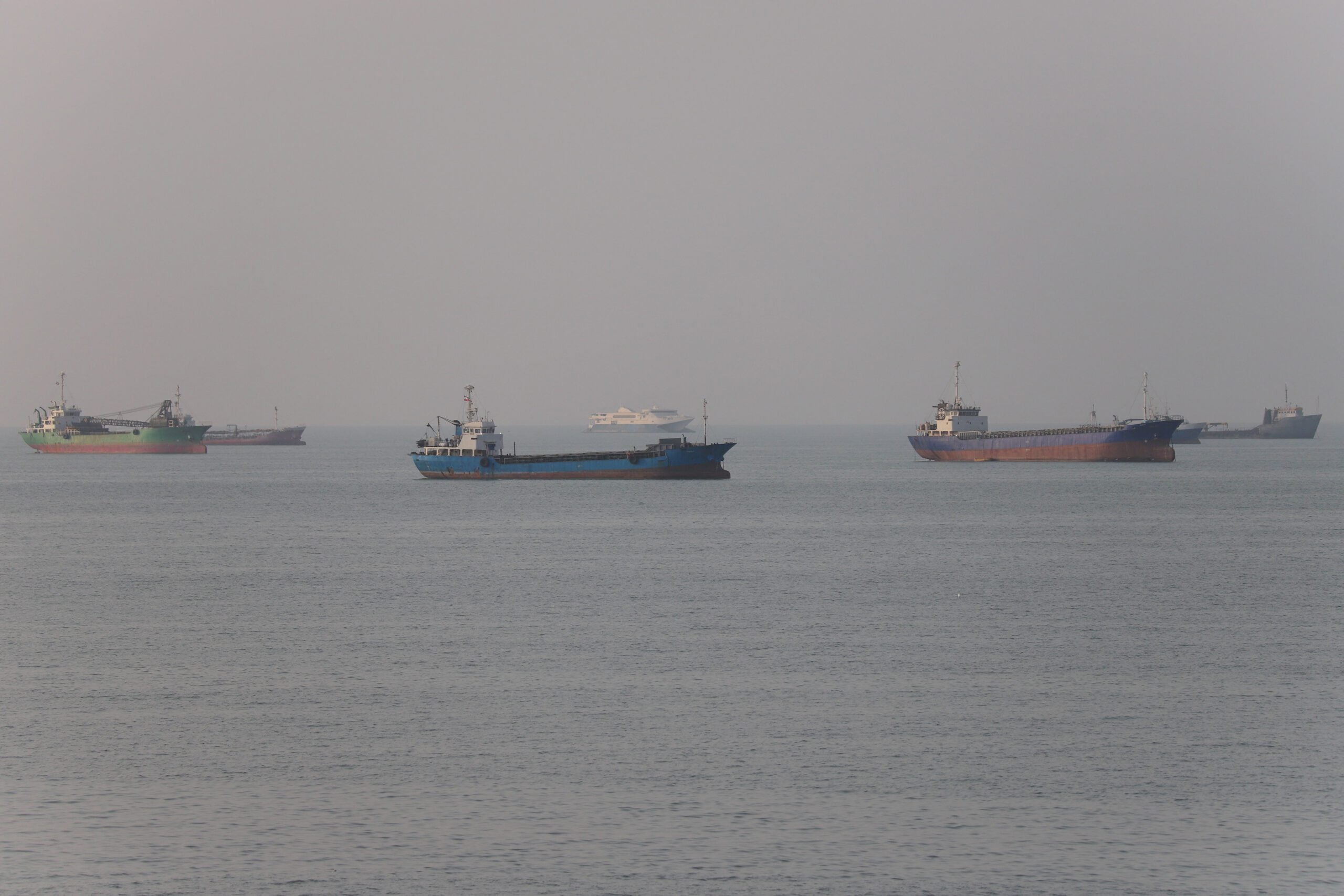
Iran’s stated position is that the Lebanon clause is non-negotiable as a condition for the final agreement. Tehran has described the Lebanon track as key to any deal, citing Israeli violations of the all-fronts ceasefire provision as the justification for closing the Strait of Hormuz in June. The logic is internally consistent: the MoU’s value to Iran depends on its enforceability across all the fronts it governs, and a deal that leaves Israeli forces in southern Lebanon while formally binding Iran to nuclear concessions is not a deal Tehran can present domestically as a success.
The structural problem is that the three parties whose cooperation would resolve the Lebanon clause are each blocked for different reasons that are not responsive to what Doha produces. Israel’s non-compliance is a political decision by Netanyahu that a ceasefire framework cannot compel. The Lebanese cabinet vote depends on which way Druze and independent Sunni ministers fall – a domestic Lebanese calculation that Kushner’s meetings with Qatar’s Emir have no direct leverage over. And Iran’s demand for Lebanon clause enforcement is backed by Hezbollah, the party in Lebanon that benefits most from the framework failing. The paradox is that Iran is demanding enforcement of a clause whose enforcement would require Hezbollah to disarm in the south – and Hezbollah is blocking the mechanism that would enforce it.
The Doha talks this week established a communications channel and produced movement on frozen assets, but the Lebanon file was addressed through a separate political track – Witkoff and Kushner with the Qatari Emir, not with the Iranian delegation directly. What that political track produced in concrete terms on Lebanon has not been disclosed. The Washington Post reported on July 2 that the Trump-backed truce in Lebanon, which it described as key to the Iran peace deal, risks triggering a new civil war if it passes – with the country’s sectarian balance potentially destabilized by forcing Hezbollah out of the south while Israeli forces have not withdrawn from their positions.
The civil war risk is not hypothetical. Lebanon’s political structure is built on a confessional balance in which Hezbollah’s military capacity is both a domestic political guarantee for the Shia community and a deterrent that other factions have factored into their security calculations. A framework that requires Hezbollah to stand down in the south while Israeli forces remain operational north of the Blue Line removes Hezbollah’s deterrent unilaterally – which is not just a military shift but a political earthquake for the factions that have aligned with Hezbollah as the country’s de facto defense force. Berri’s phrase, “will not pass,” is not procedural obstruction. It is a statement about which Lebanon would survive the framework’s implementation.
What would unlock the Lebanon clause is a sequence that no party currently controls: Israel withdraws from the south, which gives Berri grounds to drop his opposition, which allows the framework to pass the cabinet, which closes the all-fronts ceasefire gap, which allows Iran to present the MoU as honored. The Doha talks deferred the nuclear file and did not resolve Hormuz; they did not surface the Lebanon triple deadlock either. It is the problem that requires the most external actors to move simultaneously – and therefore the one least likely to be resolved in the 45 days the MoU window has left.
Related Posts