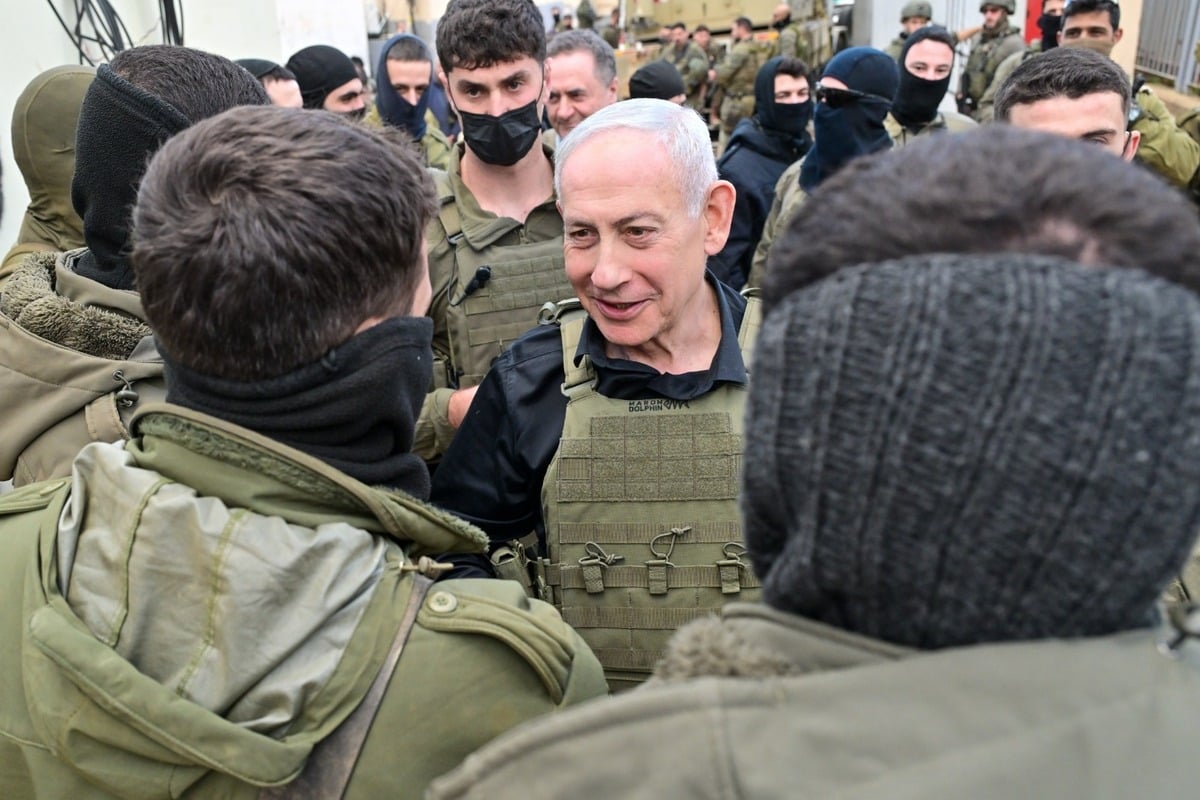

BEIRUT – The agreement that ended the most destructive US-Iran confrontation in modern history rests on a clause Israel has made clear it does not intend to honour. On July 1, Israeli Prime Minister Benjamin Netanyahu stood with soldiers in southern Lebanon and told them the military “will not leave” while Hezbollah remains armed – a declaration that, under the terms of the Islamabad Memorandum of Understanding, Iran has said constitutes grounds for annulment.
The MoU signed by Trump and Iranian President Masoud Pezeshkian on June 17 opens with an explicit requirement: an immediate and permanent halt to hostilities on all fronts. Iran has consistently defined Lebanon as one of those fronts. Three days after the MoU was signed, Tehran closed the Strait of Hormuz again, citing Israeli strikes in Lebanon as a violation of the ceasefire’s all-fronts clause. Iran’s Foreign Ministry has warned that continued Israeli military presence in Lebanese territory means the deal’s annulment.
Netanyahu’s July 1 visit placed that warning in direct relief. Israeli forces have occupied approximately one-fifth of Lebanon since early March 2026, following ground operations that included the Battle of Khiam and a crossing of the Litani River. Lebanese health authorities record 4,246 killed and more than 12,190 injured since the fighting began. Defense Minister Israel Katz said Israel would not withdraw “a millimetre” from its current positions until Hezbollah is fully disarmed. Netanyahu separately stated Israel was “not bound by the agreement” with Iran and would “preserve its freedom of action” against any Hezbollah threat.
This is the structural trap at the MoU’s centre. The United States brokered two agreements simultaneously: the Iran MoU, which conditions the ceasefire on an all-fronts halt, and a parallel Israel-Lebanon framework that does not require Israeli withdrawal from southern Lebanon and does not prohibit further Israeli strikes. The two commitments are not reconcilable. Iran’s condition for the deal’s survival is precisely what the Israel-Lebanon framework allows Israel to continue indefinitely.
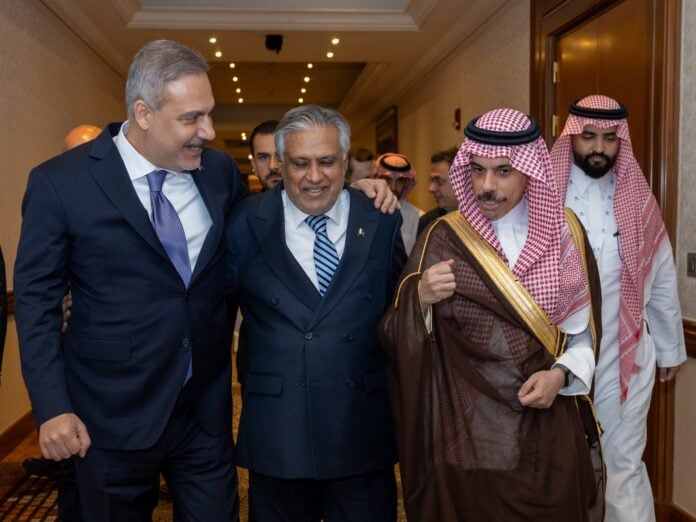
VP JD Vance was in Doha on the same day Netanyahu made his declaration, describing the Iran talks as “going well.” The Doha talks produced a communications hotline between Washington and Tehran and movement on $3 billion in frozen Iranian assets, but did not address the Lebanon question. Washington appears to be operating on the assumption that the MoU’s all-fronts clause can coexist with Israeli occupation of Lebanese territory; Tehran has not accepted that reading.
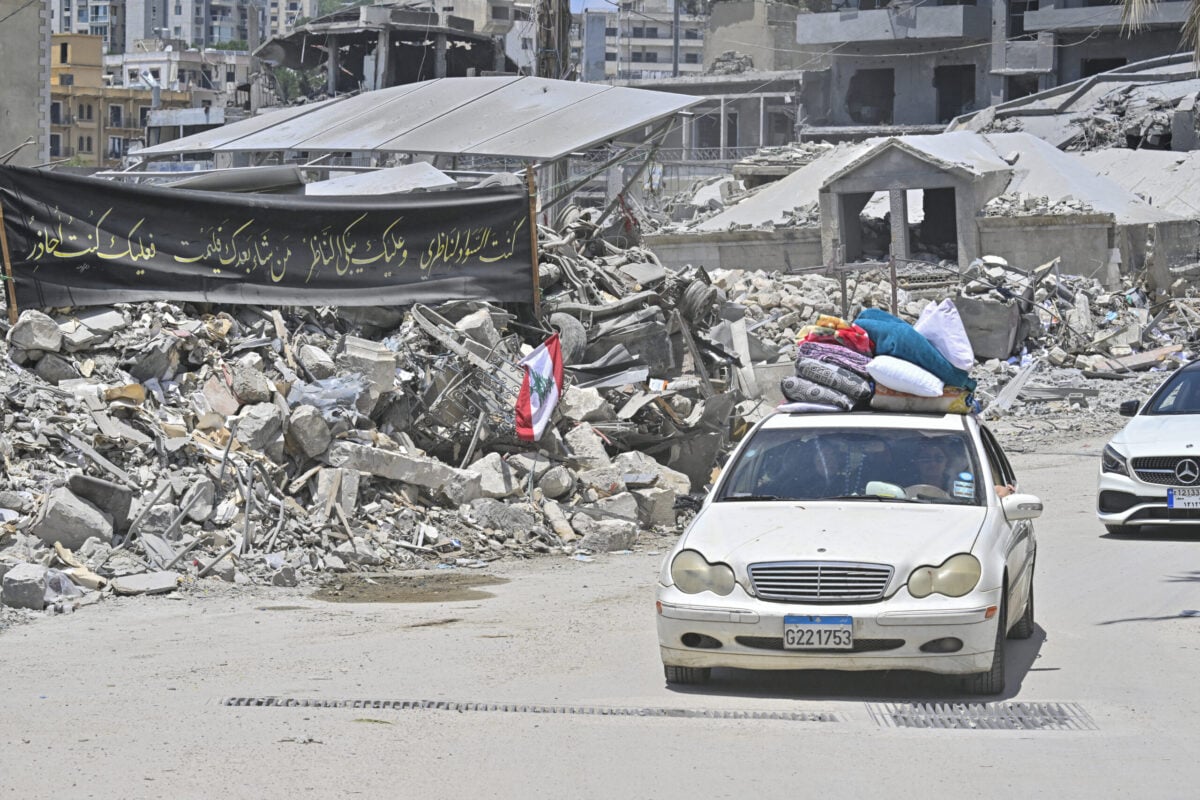
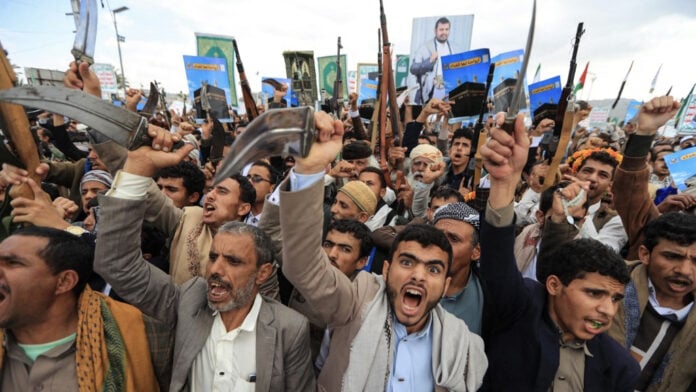
Hezbollah has refused to disarm. Its leader Naim Qassem described the Israel-Lebanon framework as “humiliating, shameful and a surrender of sovereignty.” Hezbollah was excluded from those negotiations entirely, a procedural fact that has stripped the framework of its practical enforceability. Al Jazeera reported that Israel cannot obtain the condition it has set for withdrawal – a disarmed Hezbollah – through a framework Hezbollah has refused to recognise.
Joe Macaron, a geopolitical analyst who tracks the organisation, said Hezbollah remains “a very valuable asset for security leverage” across the region even after significant battlefield degradation. That leverage is what makes its disarmament a condition Israel knows cannot be quickly met – and what makes Netanyahu’s declaration, in practical terms, indefinite.
Israeli elections are expected around October 2026. Analysts have noted that maintaining the Lebanon position serves Netanyahu domestically regardless of its effect on the Iran agreement: a withdrawal before Hezbollah is disarmed would be characterised by his opponents as a strategic retreat. Cyrus Schayegh, a professor at the Geneva Graduate Institute, described Netanyahu’s position as “a difficult balancing act.” The Israeli government has resolved that balance by asserting it is not bound by the MoU at all – a claim that shifts the burden onto the United States to either enforce the deal’s Lebanon clause or allow it to dissolve.
Iran has already acted once on its stated annulment threat, closing the Strait of Hormuz on June 20 after citing Israeli activity in Lebanon. Whether it acts again before August 16 – when the MoU’s 60-day window expires – depends on how far the Doha process can move a question it has not yet attempted to resolve. The communications channel agreed this week, per Iran’s own description, exists to report violations of the MoU – not to adjudicate whether Israel’s Lebanon occupation constitutes one.
Ronnie Chatah, a political commentator and host of The Beirut Banyan podcast, said he did not believe the Israel-Lebanon framework would ultimately “jeopardise” the MoU – a more optimistic reading than Iran’s Foreign Ministry has offered publicly. Even as Iran’s chief negotiator reaffirmed in Doha that bombed nuclear sites remain closed to IAEA inspectors, the broader framework is holding – for now. The divergence between Chatah’s optimism and Tehran’s annulment warnings captures the central uncertainty the 60-day window will force to a resolution: whether Netanyahu’s declaration is a negotiating posture Washington can quietly manage, or a structural fact that will outlast the agreement itself.