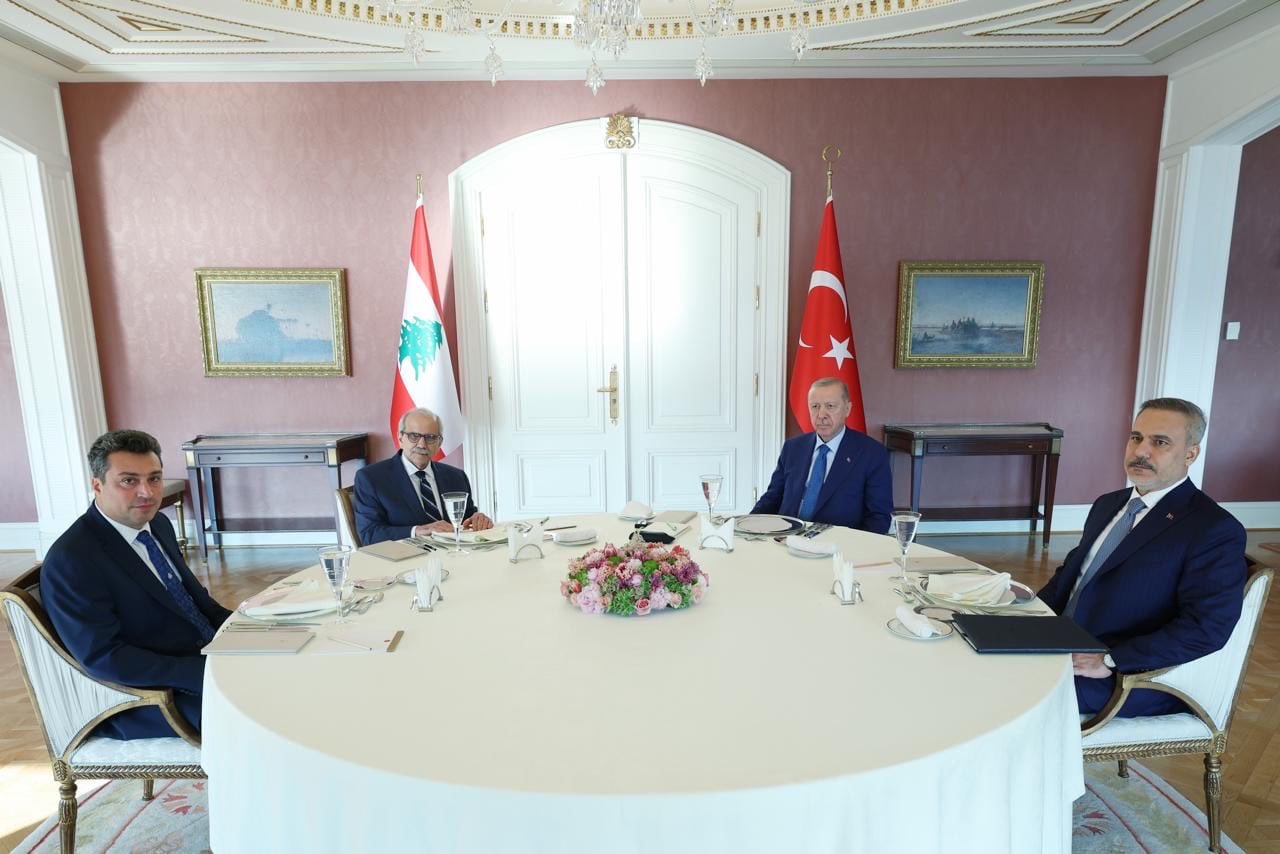

BEIRUT – When Lebanese Prime Minister Nawaf Salam arrived in Istanbul for talks with Turkish President Recep Tayyip Erdogan on Friday, he carried a question no regional capital has been able to answer: who fills the space that Iran’s battered proxies left behind?
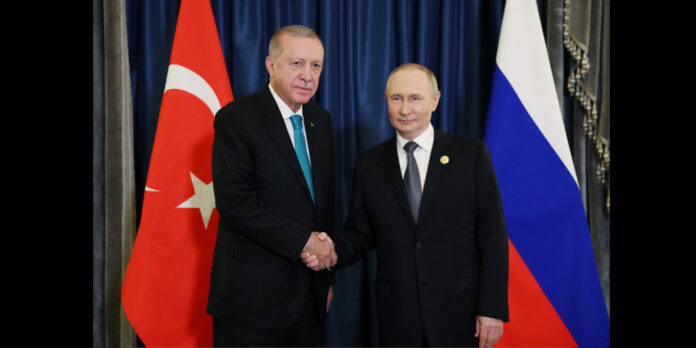
The meeting, also attended by Turkish Foreign Minister Hakan Fidan, produced the choreography of diplomatic warmth. Erdogan praised “brotherly country Lebanon.” Salam, speaking afterward on X, called for bilateral relations to reach “the level of a strategic partnership,” The National reported. The exchange carried specific weight: Turkey is positioning itself to counter both Israeli and Iranian influence in a country their competing ambitions have helped devastate.
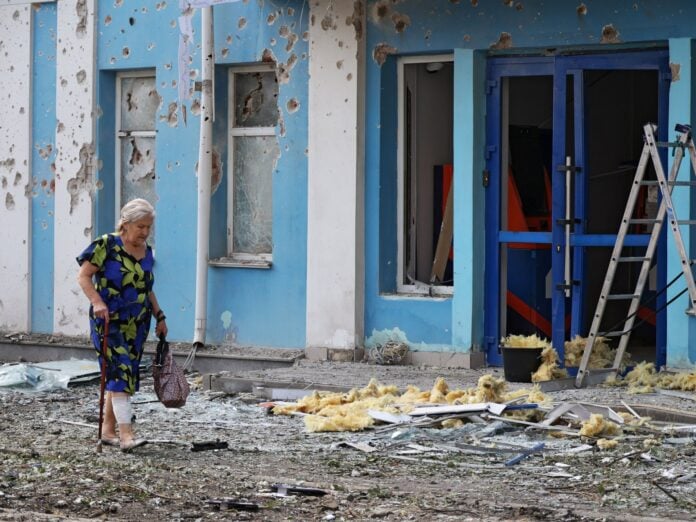
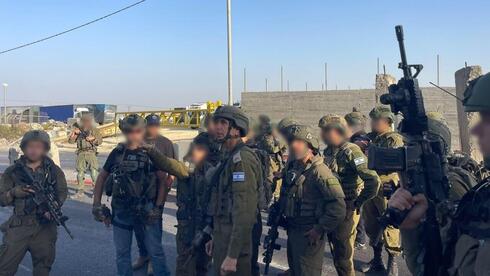
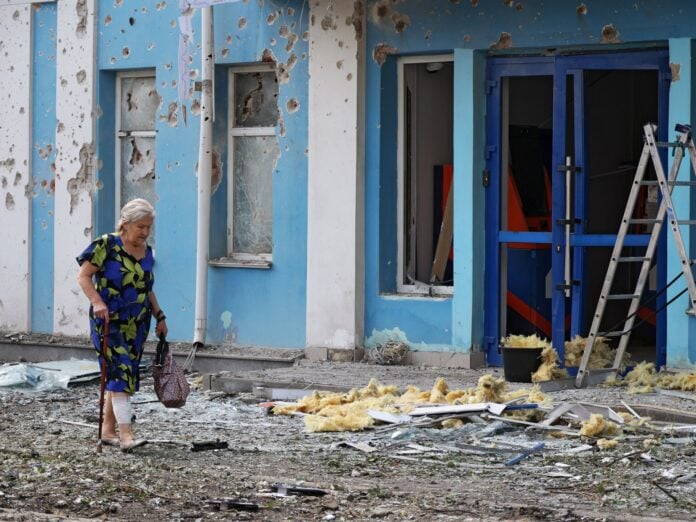
Lebanon was pulled into the regional war on March 2 when Iran-backed Hezbollah launched rockets at Israel, triggering a retaliation that razed villages across southern Lebanon and left Israeli forces occupying roughly seven per cent of Lebanese territory. More than 4,300 people have been killed and over one million displaced. Hezbollah has suffered significant losses but remains a political and military force. President Joseph Aoun has issued unusually direct criticism of Iran’s role in Lebanese domestic affairs, while Prime Minister Salam has made restoring sovereignty his central promise.
Turkey reads that opening as an invitation. Karim Bitar, a political analyst and lecturer in Middle East studies at Sciences Po Paris, said it was “definitely clear” that Ankara did not want Lebanon to move “from the Iranian sphere of influence to an Israeli” one. The Istanbul meeting was Ankara’s latest move to claim a seat at any table where Lebanon’s future gets negotiated.
Bitar put the challenge plainly: “Lebanon definitely needs leverage at a time when it is caught between the Israeli hammer and the Iranian anvil.” What form that leverage might take from Turkey is the harder question. Turkey has never been a decisive political or military actor in Lebanon. It shares no border with the country. It has no significant financial stake comparable to Beirut’s Gulf patrons.
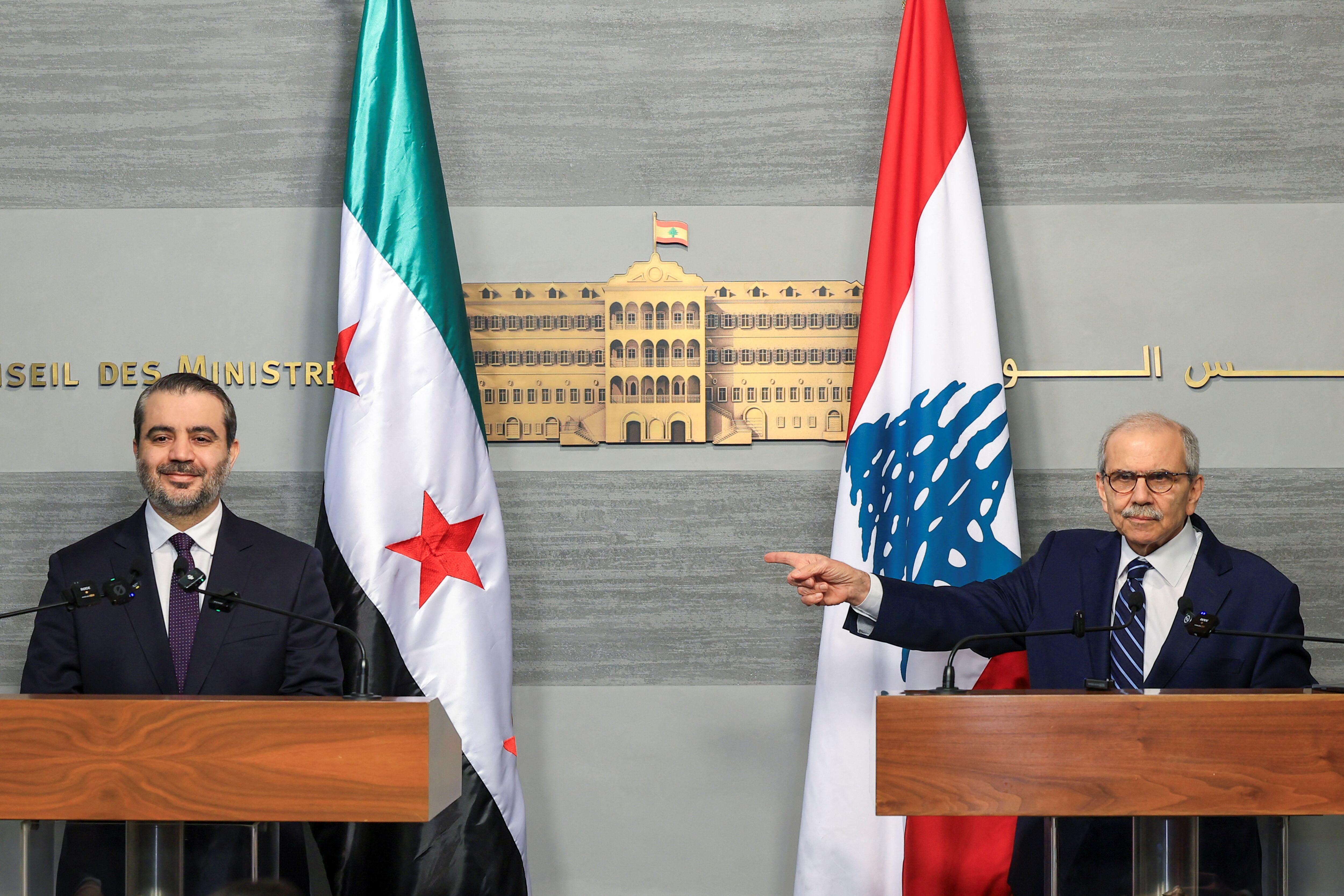
What Turkey has, increasingly, is Syria. Since the fall of the Assad regime, Erdogan has wielded considerable influence over Damascus, owing to Ankara’s close ties with the rebel factions that toppled the government and now lead the Syrian state under President Ahmad Al Shara. Lebanon’s eastern border runs through Syrian territory. If Turkey shapes what Syria’s new leadership does along that frontier, it acquires indirect leverage over Lebanon that diplomatic goodwill alone would not provide.
“Today, Turkey is a key regional stakeholder because Erdogan has a major influence on the Syrian president Ahmad Al Shara,” Bitar said, adding that this positioned Ankara “to try to prevent Ahmad Al Shara from falling into the trap of listening to Trump’s advice.”
Erdogan signaled his ambitions at a NATO summit in June, saying Turkey’s security concerns extended to “Aleppo, Damascus and Beirut,” what he called a “geography of affection and brotherhood.” At the Istanbul meeting, he said good-neighbourly relations between Lebanon and Syria would be “beneficial,” implying Ankara intends to remain involved in both.
Turkey is not alone in that ambition. Bitar identified an emerging coalition forming around the same concern. “So far, we cannot speak of a formal security axis, but we are seeing increasing co-ordination among an emerging coalition of states,” he said, “all seeking to preserve stability.” That coalition, as he described it, includes Turkey, Saudi Arabia, Egypt and potentially Qatar and Oman.
The co-ordination is informal because its members have sharply different interests. Saudi Arabia and Egypt want Lebanon’s internal politics resolved in ways that permanently weaken Hezbollah. Turkey is less focused on who wins Lebanon’s domestic power struggles and more focused on ensuring no single external actor dominates the country, whether that actor is Israel, Iran, or Washington.
Lebanon’s government has engaged in direct talks with Israel, brokered by the United States, aimed at a peace agreement that some see as a step toward the once-taboo prospect of normalisation. The possibility alone is sufficient for Erdogan to accelerate Ankara’s engagement. A Lebanon anchored to Washington and Jerusalem looks very different from Turkey’s perspective than one anchored to neither.
Erdogan promised Salam “every possible support,” including humanitarian assistance, without specifying amounts. Bitar assessed Turkey’s ceiling plainly: “Turkey’s room for manoeuvre is likely to increase, but I do not think that it will become a new dominant external player.”
That ceiling may already be visible. Turkey is making a comeback in Lebanese diplomacy after years of relative absence, but the country it hopes to help stabilise is still under partial occupation, still home to a heavily armed militia, and still dependent on reconstruction funding that only Gulf states and Western donors can realistically provide. Bitar concluded that “Turkey’s objective is less to replace Iran than to strengthen its position as one of the key architects of this new emerging regional order,” a distinction that may define the limits of what Istanbul can deliver in Beirut.
The meeting in Istanbul confirmed that Turkey intends to be present when Lebanon’s political future is shaped. Whether it will carry the weight to affect the outcome is the question Salam’s visit left unanswered.