
TEHRAN – The timeline, according to CBS News, is this weekend.
Unnamed sources with knowledge of the planning told the network that the United States and Israel have coordinated large-scale strikes on Iran’s energy infrastructure, its oil refineries and power generation capacity, with attacks possibly arriving before the week ends. Neither Washington nor Jerusalem confirmed the report on Friday. Tehran made no immediate public response. But the specificity of the account, a defined target set and a narrow window, signaled something sharper than the vague threat language that has circulated through the Iran-Israel conflict for months.
Iran’s energy sector is not the same category of target as an air defense battery or a drone storage facility. The country’s refineries supply fuel to a population of roughly 90 million people. Its power grid, already strained in some regions, serves cities, hospitals, and households across the country. Attacks on this infrastructure would not merely impede a military. They would cut into the daily life of every Iranian city.
That political reality has, until now, served as a check of sorts. American officials who privately pushed back on some Israeli strike proposals earlier in the conflict drew the line specifically at civilian economic infrastructure. Whether those objections still hold is not explained by the CBS account. What the account establishes is that energy infrastructure is now, at minimum, openly described as a target in active planning discussions.
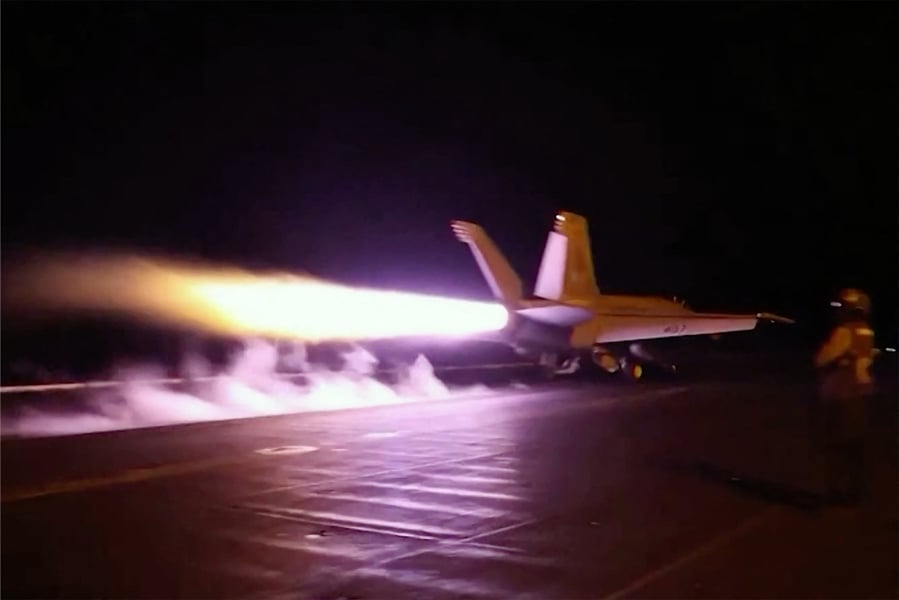
The CBS News report arrived against a backdrop of sustained escalation. Al Jazeera reported a previous round of US military operations against Iran in late July, describing a pattern in which each successive operation has pushed into a new category of target. The pattern, if the CBS account holds, is now moving into territory the conflict had previously left largely alone.
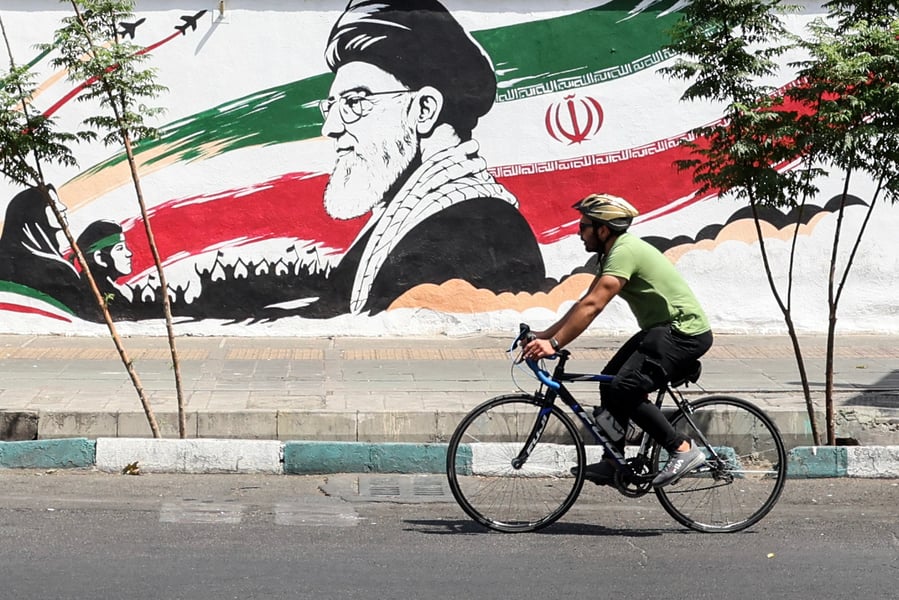
The timing carries its own weight. The Iran-Israel war has proceeded in phases, periods of intense operation followed by pauses in which both sides reconsolidate, rearm, and conduct parallel diplomacy. A strike this weekend would break a recent pause with an attack on Iranian economic capacity. That choice, if it is made, carries a specific logic: to impose costs that go beyond what military facilities produce.
The industrial logic of an energy infrastructure campaign also differs from what has come before. Striking a missile depot produces discrete, targeted damage; the depot can be rebuilt and the missiles replaced. Striking a refinery that processes crude for an entire country produces something less contained. Fuel shortages, power interruptions, and supply chain disruptions compound over time. The question is not only whether the damage can be done. It is whether the timeline for recovery aligns with whatever strategic goal the operation is meant to serve.
What the CBS report does not establish is whether the operation is certain to proceed. Unnamed American officials have, over the course of this conflict, sometimes signaled strike intentions accurately and sometimes described plans that were later delayed or called off. The difference between a strike being planned and a strike happening is rarely visible from outside the decision chain.
Iran has not been passive in the current phase of the conflict. An Iranian drone strike on a US-owned gas tanker at Egypt’s Damietta port on July 30 demonstrated that Tehran continues to project military reach beyond its borders even as its mainland faces repeated operations. Iranian state media, citing security sources, has separately reported that Tehran has prepared a large-scale response plan for precisely the scenario the CBS account describes. The existence of a response plan does not mean strikes are inevitable. It means the calculation on both sides is now explicit.
Previous rounds of international sanctions attempted to produce similar economic pressure on Iran through trade restrictions. Direct strikes on physical energy infrastructure would work through a different mechanism, disrupting the supply chain physically rather than commercially. How quickly Iran’s oil sector could recover from such attacks, and whether the disruption would produce the kind of domestic pressure that changes political calculations, is a question neither side has answered publicly.
Iran’s leadership has maintained throughout the conflict that attacks on civilian economic infrastructure would be met with responses in kind. What a response targeting allied or regional energy infrastructure looks like, and how the United States would react, are among the questions that may move closer to an answer this weekend.
Whether the CBS account reflects a final decision or a planning option still under debate is unknown. What it establishes is that this weekend is being discussed as a window, that the target set goes to the heart of Iran’s economic functioning, and that neither side has given the public reason to expect the current trajectory to reverse on its own.