
OSLO – The safety channels designed to prevent a dangerous military encounter between Russia and Norway in the Arctic are no longer functioning as intended.
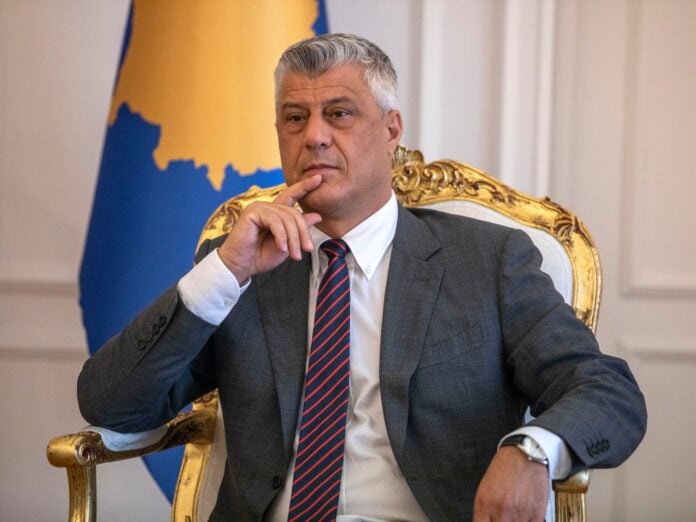
That is the blunt assessment of Russia’s Ambassador to Norway, Nikolai Korchunov, who told RIA Novosti on Friday that the incident prevention frameworks the two countries have relied upon have been effectively disabled, attributing the breakdown to Norway and its NATO allies.
“The mechanisms designed to prevent dangerous incidents are not fully operational,” Korchunov said, “as the Norwegian side and its NATO allies are following the path of escalation in the Arctic, increasing the risks and escalating conflict.”
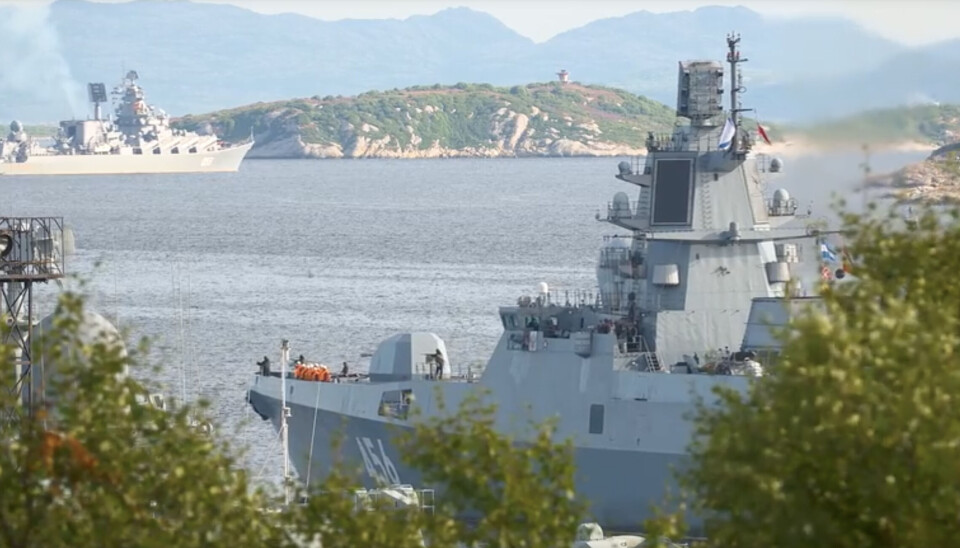
The statement arrived days after Russia conducted large-scale naval exercises near the Norwegian border, deploying major surface combatants in waters where Russian and Norwegian military vessels now operate in close proximity. Russia’s Northern Fleet dispatched warships to the Barents Sea as recently as late July, a pattern that has become more frequent as NATO has expanded its Arctic surveillance and patrol operations. The exercises and the diplomatic statement together describe two sides of the same dynamic: Russian military presence increasing as Norwegian capacity builds, with the channels that once managed the resulting friction now closed.
The incident prevention mechanisms Korchunov referenced have a documented history. Russia and NATO members established bilateral and multilateral communication frameworks after the Cold War specifically to manage the risk of accidents in contested military spaces. Those agreements defined how to handle close encounters between warships and aircraft, what signals to send when vessels operate in proximity, and how to de-escalate unintended contact before it produces something more serious. They made sense when the relationship had enough residual trust to sustain them. According to Korchunov, that trust has been consumed by the current trajectory.
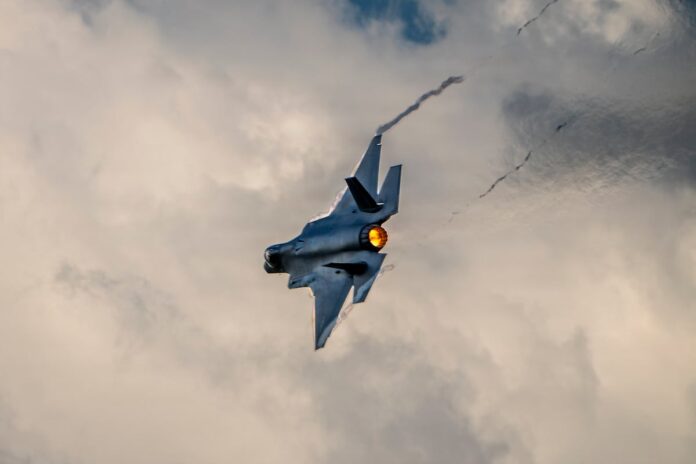
Norway’s position in this dynamic is structural. The country shares a 1,419-kilometer land border with Russia in the High North, making it, more than almost any other NATO member, the direct interlocutor for whatever happens in the Arctic theater. Oslo has described its defense posture as building capacity without unnecessary provocation. Norway’s accelerating military investment in the Arctic region has included expanded patrol aircraft operations and increased surveillance of Russian submarine activity in Nordic waters. Russia has explicitly objected to those operations. Without incident prevention channels, a Norwegian patrol aircraft encounter with a Russian warship in Arctic airspace has no institutional backstop if something goes wrong.
The Svalbard archipelago adds another layer to the dispute. Under the 1920 treaty that granted Norway sovereignty, Russia holds permanent rights on the archipelago. Russia’s challenge to Norwegian Arctic governance has grown more pointed as those rights have intersected with Norway’s expanding military surveillance role. Svalbard sits at the center of a growing dispute about what Arctic sovereignty means in practice when both sides are fielding more military assets in the same waters.
Russia and NATO have been on a collision course in the Arctic for several years, with both sides expanding their footprint in a theater where physical proximity is measured in hundreds of kilometers rather than thousands. What has changed since that confrontation became visible is that Nordic NATO now encompasses Finland and Sweden, transforming the alliance’s northern tier into a contiguous bloc that faces Russia across the Arctic circle. Russia’s Northern Fleet has responded with expanded submarine operations, Arctic base modernization, and the kind of naval exercises that deployed warships to Norwegian border waters in late July.
Norway is not the only NATO member operating in the Arctic. The alliance’s northern posture now involves assets from multiple member states, including the United States, which has maintained a submarine presence in Arctic waters for decades. The Northern Sea Route, which Russia has developed as both a commercial corridor and a strategic artery, runs along Russia’s Arctic coastline and is now subject to increased surveillance from NATO member naval and air assets. Russia’s objection is not to the surveillance itself but to the absence of any framework for managing the encounters it produces.
Against that backdrop, Korchunov’s statement describes a safety architecture that has run out of the trust that made it work. The statement is not a call to restore the channels. It is a public declaration that they are closed, delivered to RIA Novosti on a Friday morning and directed, presumably, as much at NATO capitals as at Oslo.
What the statement does not provide is a path forward. No offer of a revised framework. No preconditions for returning to dialogue. No indication of whether Russia sees the closure as permanent or as leverage for something else. In the absence of functioning incident prevention mechanisms, encounters between Russian and Norwegian military assets in the Barents Sea and the waters north of Svalbard proceed without the institutional floor that once governed them.
The Korchunov statement is the latest in a series of Russian diplomatic communications about the Arctic that have grown more pointed over the past 18 months. Previous statements described the region as an area of growing tension. This one describes it as an area where the mechanisms specifically designed to prevent that tension from producing accidents have stopped functioning. That distinction, from tension to structural risk, is the shift the statement marks. The question it leaves open is what happens when something goes wrong in the Barents Sea and there is no channel left to answer it before it escalates.