
ISTANBUL — Indirect negotiations between the United States and Iran have entered their final stage, Al-Hadath broadcaster reported Thursday, citing a high-ranking official, in what would represent the most advanced point the mediated process has reached since active hostilities resumed last month.
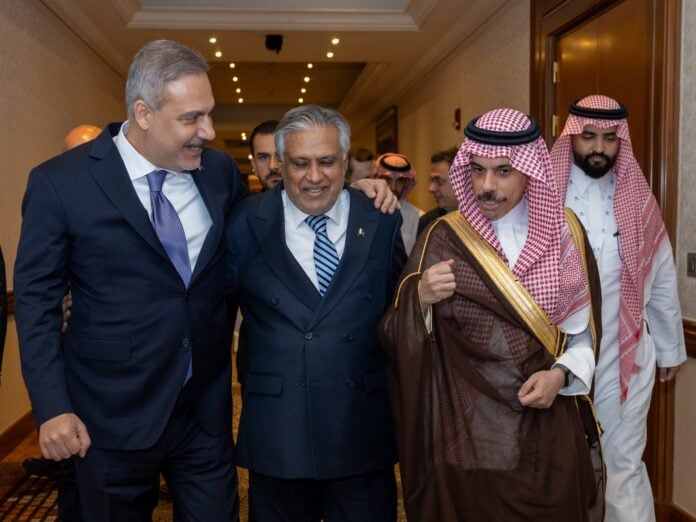
The report came as Iranian Foreign Minister Abbas Araghchi prepared to travel to Pakistan this weekend or early next week. A senior Pakistani source told RIA Novosti on Wednesday that Araghchi is expected in Islamabad on August 7, where he is scheduled to meet Prime Minister Shehbaz Sharif, Army Commander General Asim Munir, and Deputy Foreign Minister Ishaq Dar.
The breadth of that meeting schedule carries its own signal. Araghchi will move through Pakistan’s civilian leadership, its military command, and its foreign ministry in a single visit, a format consistent with a structured diplomatic review at the highest available level rather than a routine stop.
Pakistan entered the mediator role formally on July 10, when Sharif publicly declared Islamabad’s readiness to continue facilitating contact between the two governments at the start of a new round of escalation, The National reported. That declaration gave both sides a functional channel at a moment when direct communication between Washington and Tehran remained politically untenable.
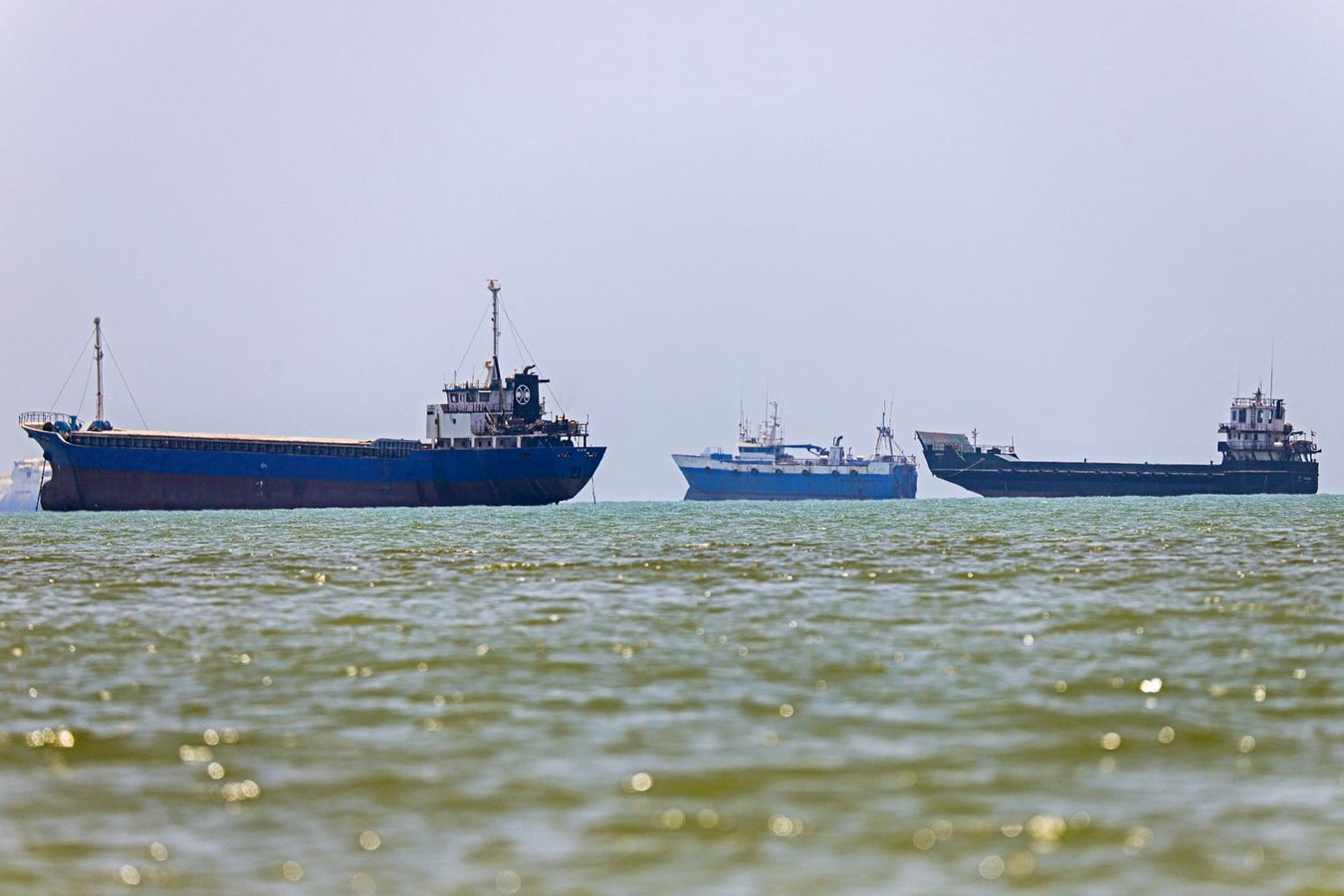
Tehran and Washington had signed a memorandum to end hostilities on June 18, after a conflict that began on February 28. The agreement held for less than three weeks. On July 8, US President Donald Trump declared the ceasefire no longer in effect, and US forces subsequently carried out several series of strikes on Iranian targets. The US Central Command cited Iranian interference with commercial shipping in the Strait of Hormuz as the justification, the waterway through which approximately 20 percent of global petroleum exports move.
Iranian forces responded with strikes on American bases in the Middle East, raising the conflict to a level that drew urgent concern from Gulf states and European governments. The Strait of Hormuz disruptions during the peak of the exchange sent sharp signals through global energy markets, underscoring how quickly a military confrontation between Iran and the United States transmits beyond its immediate geography.

What “final stage” means in operational terms is not defined by the Al-Hadath report. A durable framework would need to resolve not only substantive differences but procedural ones: the sequence of reciprocal steps, the verification mechanism, and the question of which party is prepared to move first. Those have historically been the hardest elements of any Iran-US negotiation to close.
What Thursday’s report establishes is that Araghchi is traveling, that Pakistan is receiving him at the highest levels of authority it can offer, and that both governments still regard the mediation channel as worth maintaining. In a conflict that resumed active strikes less than a month ago, those facts are not incidental.