
RIYADH — For two months the Mecca pact existed mostly as a signature. On Monday it became an order to move soldiers.
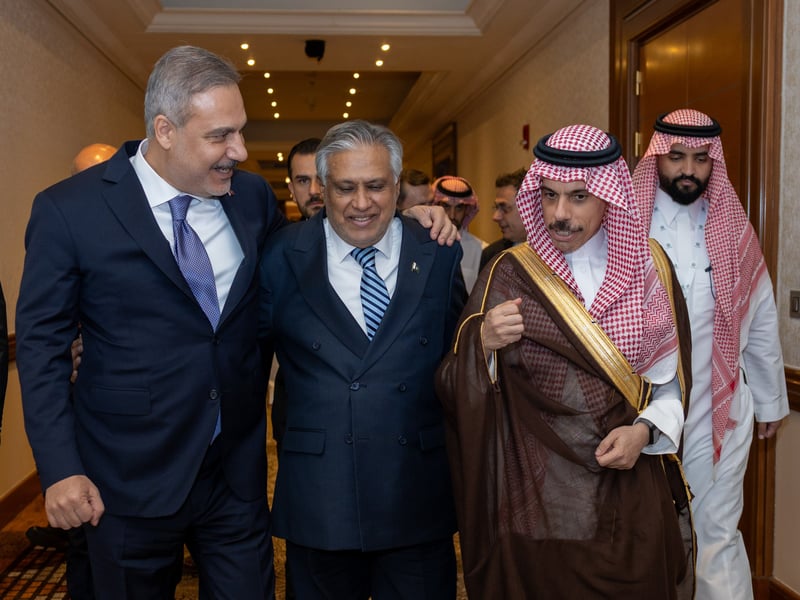
Saudi Arabia, Pakistan and Turkiye agreed after an emergency meeting in Riyadh to turn their collective-defence promises into practical measures, including the provision and rapid deployment of agreed military forces and capabilities inside the kingdom, Al Jazeera reported from a statement by Pakistan’s Foreign Ministry. Saudi Defence Minister Prince Khalid bin Salman said the alliance’s Strategic Political and Defence Committee had agreed to activate collective deterrence measures against those responsible for the attacks, TRT World reported.
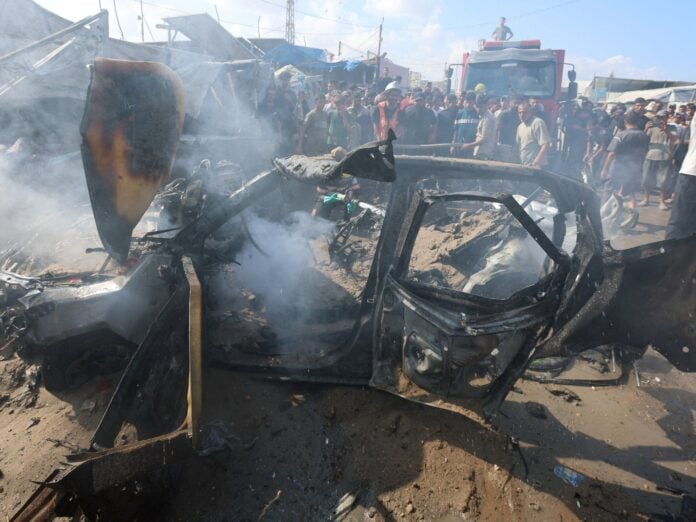
The attacks in question are the Houthis’, though the joint statement did not use that name, AFP reported. It condemned the attempted targeting of Mecca and Madinah and continuing strikes on cities and economic facilities. The Houthis announced a maritime ban on Saudi shipping in July and have since hit Saudi tankers and oil sites, Xinhua reported. Late Monday the group said it had struck airports, an oil facility and military sites across the kingdom, China Daily reported, while the Saudi-led coalition said it had foiled a Houthi plot.
The weight of the arrangement is the point. Signed on August 7 in Mecca, the Mecca pact treats an attack on one member as an attack on all, AFP reported, and it puts NATO’s second-largest army, the Islamic world’s only nuclear-armed state and the Gulf’s leading power under a single clause.
It has been slow to bite. Pakistan said on September 10 that no immediate military response was under consideration, and as late as September 18 Al Jazeera described the pact as not yet operational. Islamabad did already have fighter and support aircraft at King Abdulaziz Air Base in Saudi Arabia, sent under an earlier bilateral agreement in April.
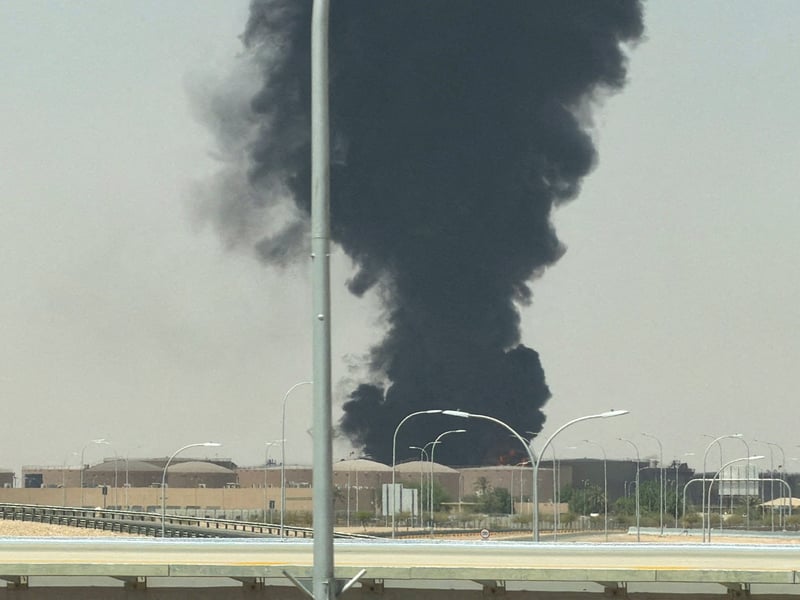
Riyadh has been building its case in public. Saudi forces intercepted a drone near Mecca in mid-September and declared the holy city a red line. Eastern Herald reported on September 20 that the Houthis had sealed Bab al-Mandab; now Yemeni government forces say they have taken positions near the strait, Al Jazeera reported, a claim Eastern Herald has not been able to confirm independently.
Washington is not filling the gap. Eastern Herald reported on September 21 that Trump pulled back from planned strikes on Yemen, which leaves Riyadh leaning harder on regional partners than on an American umbrella.
What the published accounts of Monday’s statement do not say is how many troops, from where, or on what timetable, nor whether Pakistani and Turkish units would defend Saudi territory or strike inside Yemen. The first soldier has not yet landed. What the Houthis do when one does is the part no communiqué can settle.