ISLAMABAD — The press conference question was simple enough: if the Houthis attack Saudi Arabia again, would Pakistan intervene?
FO Spokesperson Sajjad Haider Khan did not say no. At Thursday’s weekly briefing, he said the Makkah Defence Agreement was “purely defensive in nature,” designed for deterrence, not deployment. Expansion to new members was “not on the cards,” he added, and Pakistan, Türkiye and Saudi Arabia still needed “more time” to properly stand up the organisation they had signed into existence five weeks earlier.
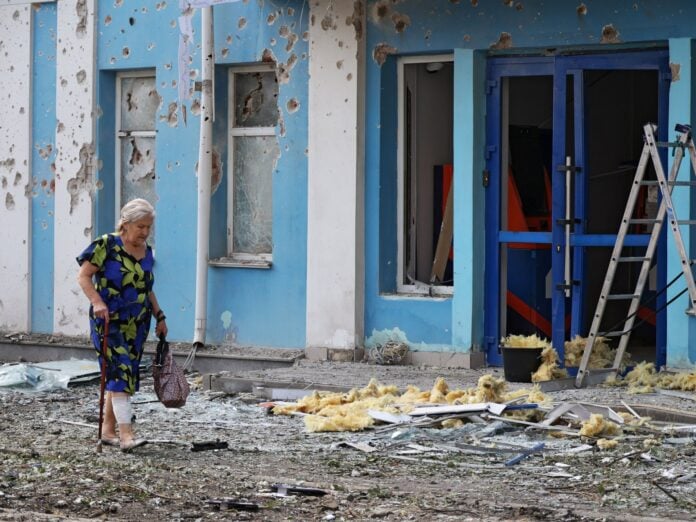
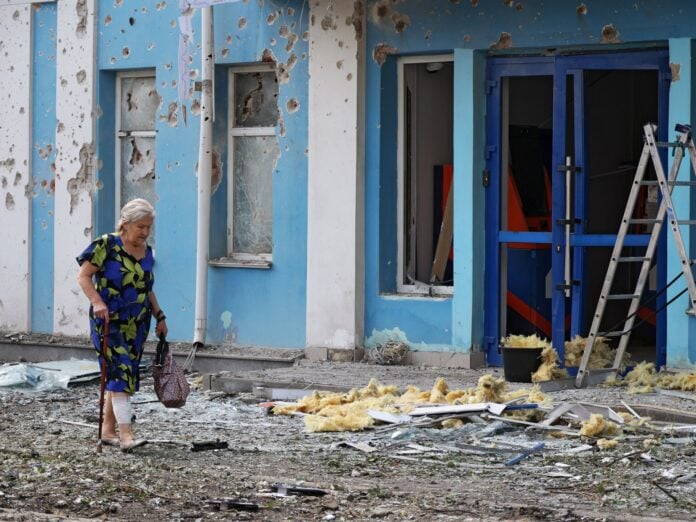
The statement landed at an awkward moment. The day before, Houthi forces struck four Saudi cities, wounding dozens of civilians and setting two Aramco facilities ablaze in the most serious attack on the kingdom since the alliance was announced. Whether Pakistan was legally or practically obligated to respond under the new pact was the question the press corps had come to ask.
Khan said not yet.
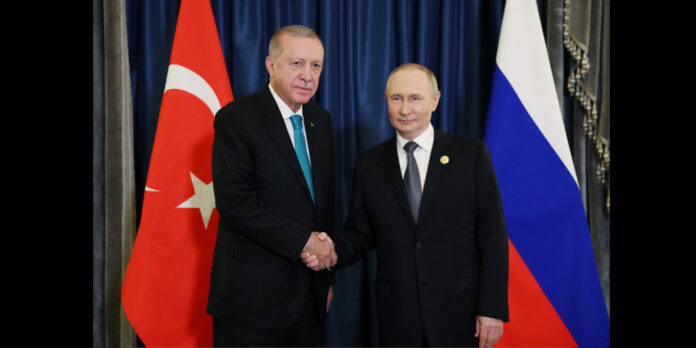
The Makkah Defence Agreement was signed on August 7 in the Grand Mosque compound. The summit brought Saudi Crown Prince Mohammed bin Salman, Pakistani Prime Minister Shehbaz Sharif and Turkish President Recep Tayyip Erdoğan together for what officials described as the most significant Arab-Muslim security compact in decades. Combined, the three countries field roughly 1.4 million active military personnel, more than 3,400 aircraft and 6,000 tanks, with a joint defence budget exceeding $124 billion. The pact’s language mirrors NATO Article 5: an attack on one is an attack on all.
On paper.
Three weeks after the signing, Erdoğan signalled in an interview that the alliance was already looking outward. He suggested Egypt could join the Mecca Defence Alliance. That would add 450,000 troops and North Africa’s largest military to the bloc. Egyptian and Saudi officials neither confirmed nor denied it. The trial balloon floated.
Islamabad deflated it on Thursday. “The three countries must first further consolidate their organisation and cooperation,” Khan said. No invitation had been extended to Egypt or any other country. Expansion, when it came, would be open to countries sharing similar stances and perspectives. That moment was not now.

Pakistani forces are already present in Saudi Arabia for training and logistical purposes, Khan confirmed. That deployment predates the alliance and carries no new mandate under it. The pact’s formal secretariat opened in Riyadh on August 31, giving the organisation a permanent address. The operational architecture has not kept pace with the institutional one.
The timing tests the pact’s deterrent claim in real time. The Houthi attacks on Saudi Arabia on September 9, including strikes on Abha, Jazan and two Aramco facilities that wounded at least 73 civilians, were the largest Houthi offensive against the kingdom in months. They came one day after American forces destroyed five Iranian oil tankers in the Gulf, triggering a wider escalation. The Makkah Defence Agreement was announced in precisely this threat environment. The expectation was that it would deter exactly this kind of attack.
It has not yet deterred anything. Whether that reflects the alliance’s current incompleteness or the Houthis’ calculation that Pakistan and Türkiye would not intervene regardless is a distinction Islamabad chose not to address.
According to Dawn’s report of the briefing, Pakistan still has forces in Saudi Arabia and remains “in close contact” with its alliance partners. Khan framed the pact’s current posture as an exercise in patience rather than inaction: the three governments are holding consultations at multiple levels, and the alliance’s mandate remains intact even if its operational procedures are not yet finalised.
For Erdoğan, who publicly advocated Egyptian membership before Pakistan had finished setting up the secretariat, Thursday’s statement was a quiet rebuke. The Turkish presidency did not respond.
The central tension the Makkah Defence Alliance has not resolved is whether it is an instrument of deterrence or an instrument of action. Pakistan’s answer on Thursday was that it is neither yet. Whether the Houthi attacks accelerate the pact’s operational development or simply expose how far it remains from functioning may be the more consequential question now facing Riyadh, Islamabad and Ankara than any debate about Egyptian membership.
Sajjad Haider Khan did not say so. But the briefing room asked it.