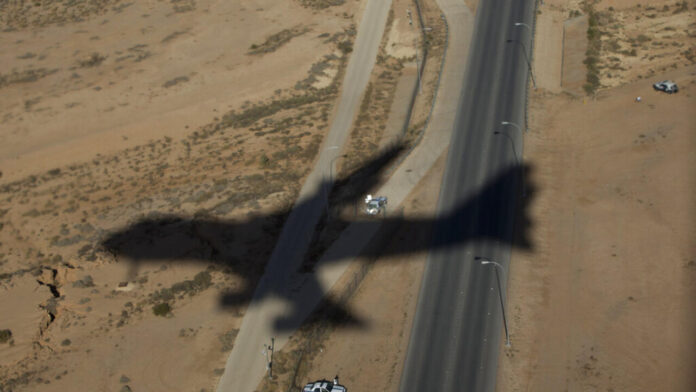

RIYADH — The warplanes were already in position. Saudi targeting data had been passed to American crews. The window to strike was open. Then the phone rang.
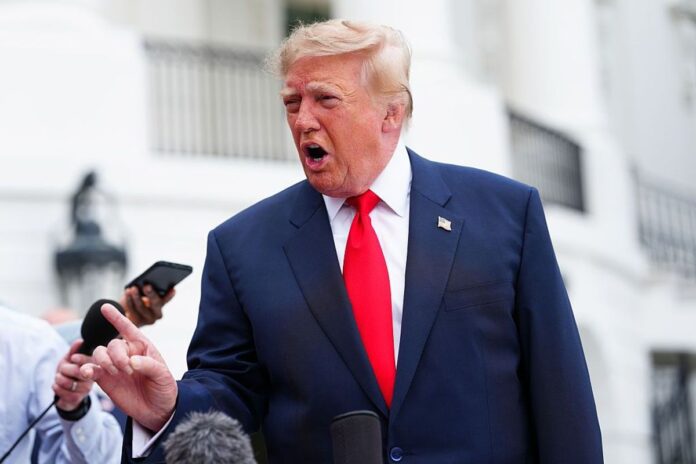
For the second time since the Iran war’s collateral front in Yemen exploded into a strategic crisis, Donald Trump declined to act on Saudi Arabia’s request for direct military strikes on Houthi positions, a reversal confirmed by officials in both Riyadh and Washington who spoke to multiple outlets this week. What happened in the hours between the aircraft carrier briefings and the stand-down order has become the defining parable of Trump’s Middle East policy: a president who stages the theatrics of force while methodically refusing to use it.
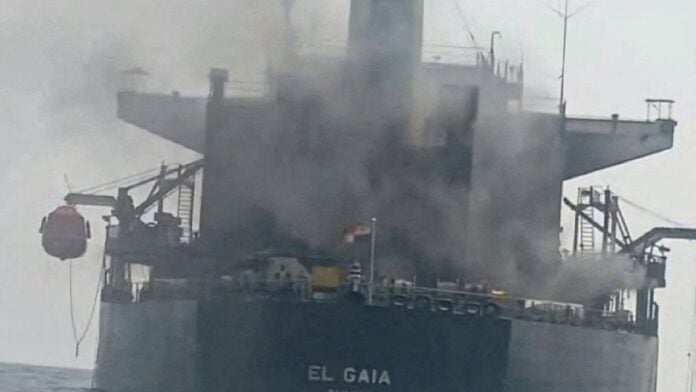
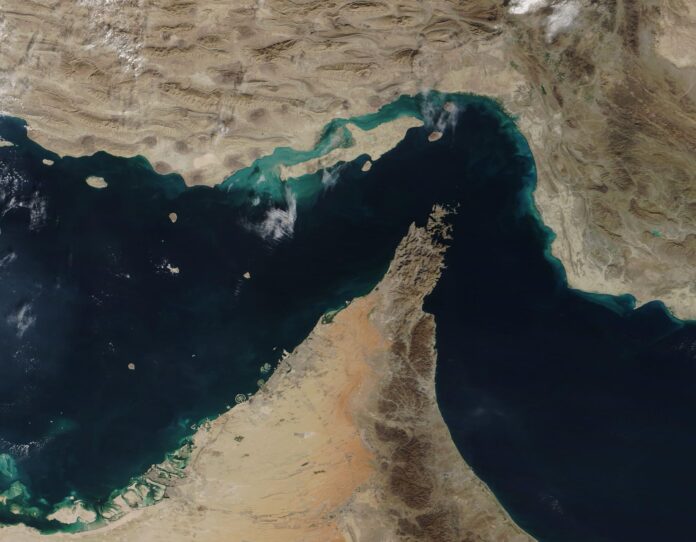
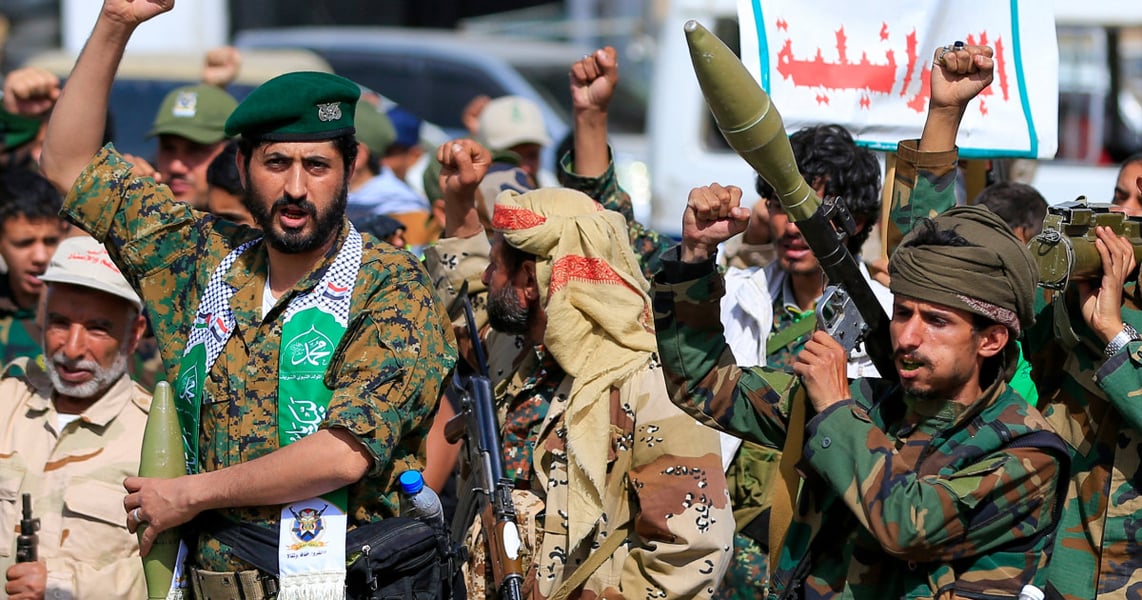
The cost of that refusal is now visible on the global oil market. Houthi forces completed their seizure of Perim Island and Yemen’s Red Sea coast, shutting down Bab al-Mandab to Saudi tankers. NBC News reported that Saudi Arabia’s Red Sea oil exports collapsed from 3.5 million barrels a day to under 120,000, driving Brent crude above $100 a barrel for the first time since 2022. The channel that carries roughly 17 percent of the world’s seaborne oil trade is now controlled by a group that Washington spent $1 billion a month trying to roll back just eighteen months ago.
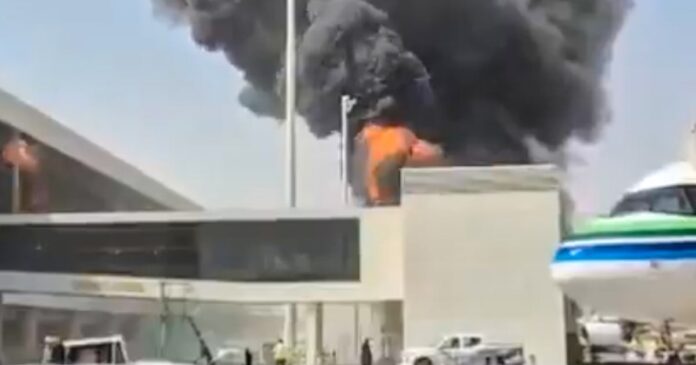
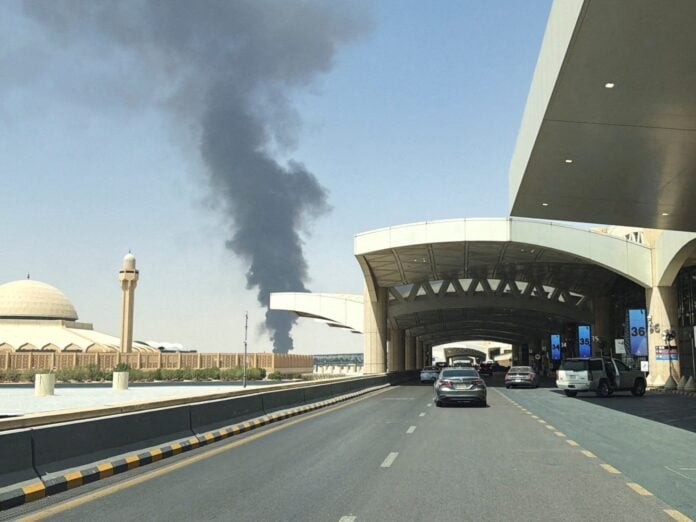
Crown Prince Mohammed bin Salman made the call to Trump personally after a Houthi ballistic missile struck King Khalid International Airport in Riyadh last Saturday, the first such missile to reach the Saudi capital since the Iran war began. An Aramco fuel depot caught fire near the airport. The request was direct: Saudi Arabia needed American air power to destroy Houthi launch infrastructure in northern Yemen before the group entrenched further.
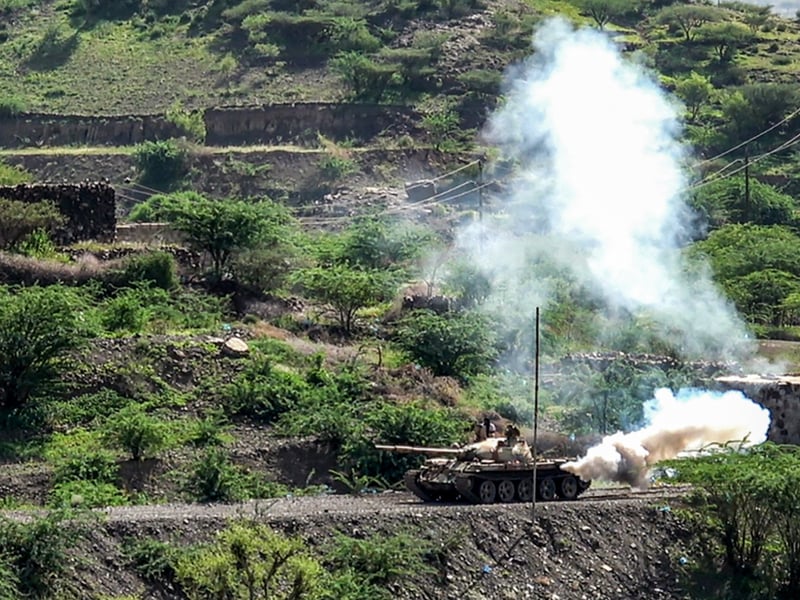
The retreat has geopolitical logic, even if its costs are mounting. Pentagon planners estimated a sustained Yemen air campaign would consume between $1 billion and $1.5 billion monthly, with no reliable timeline for suppressing a decentralized force that has embedded missile platforms in civilian infrastructure. Houthi commanders have begun deploying AI-assisted targeting for their anti-ship and ground-strike missiles, complicating the suppression equation that American pilots would face. And the Saudi airspace Washington needs for any serious Iran-theatre operation is leverage Riyadh holds, leverage it is less likely to extend if it concludes the United States will not reciprocate when asked.
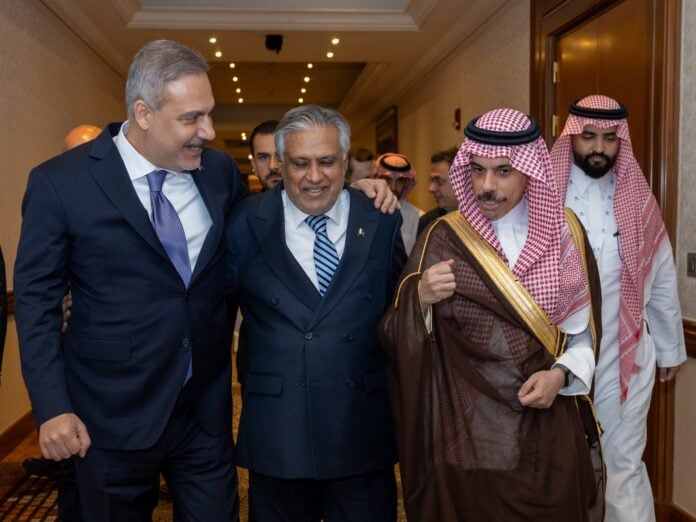
Facing Washington’s refusal, Mohammed bin Salman activated a defence pact with Turkey and Pakistan signed six weeks ago. Turkey’s foreign minister invoked the Mecca Joint Defence Agreement to offer Riyadh military support, marking the pact’s first live-crisis test. Saudi Arabia‘s pivot toward an alternative security architecture built around regional rather than American power carries implications that extend far beyond the current Houthi crisis.
Gregory Johnsen, one of the few Yemen specialists who predicted the Houthi resurgence years ago, told a think-tank panel this week that the administration’s oscillating posture of loading planes, standing down, loading planes, standing down, has achieved the worst of both worlds. “You’ve signaled resolve and then withheld it twice,” Johnsen said. “That’s not deterrence. That’s an instruction manual.”
What the Trump White House has not answered is what changes the calculus. Saudi officials have communicated through multiple channels that Riyadh cannot sustain the current oil export collapse beyond several weeks before the Kingdom’s budget deteriorates to a politically sensitive level. Whether that pressure translates into a third reversal, or a third authorization that finally follows through, is the question on which the oil market’s next move depends, and on which the credibility of US commitments to Gulf partners now rests.
One thing was beyond dispute in the accounts of those briefed on the episode: the planes were ready. The order never came.