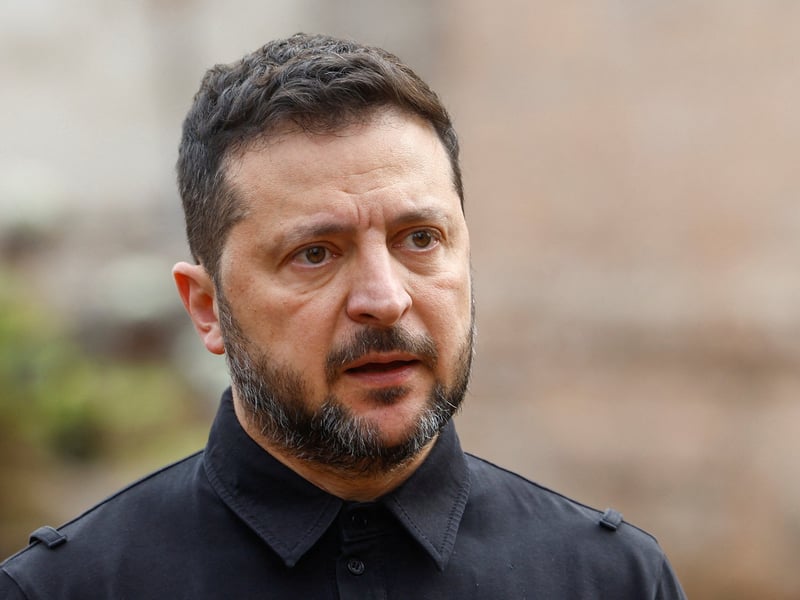

WASHINGTON — Ukrainian President Volodymyr Zelenskyy said Russian attacks hit energy infrastructure, including a power plant in Kharkiv, after President Donald Trump announced that Moscow and Kyiv had agreed to stop striking each other’s energy facilities. The account raised an immediate question about whether Washington’s declaration had produced a pause on the ground.
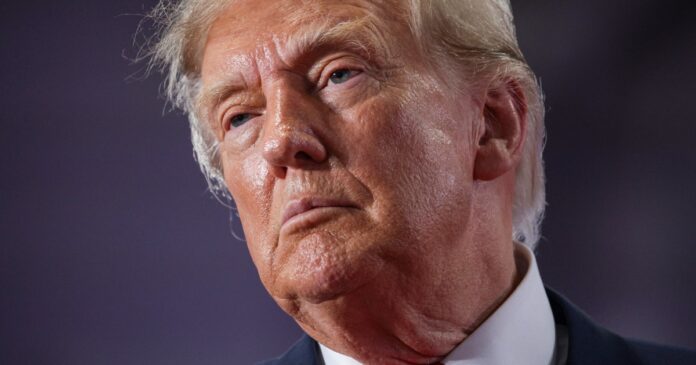
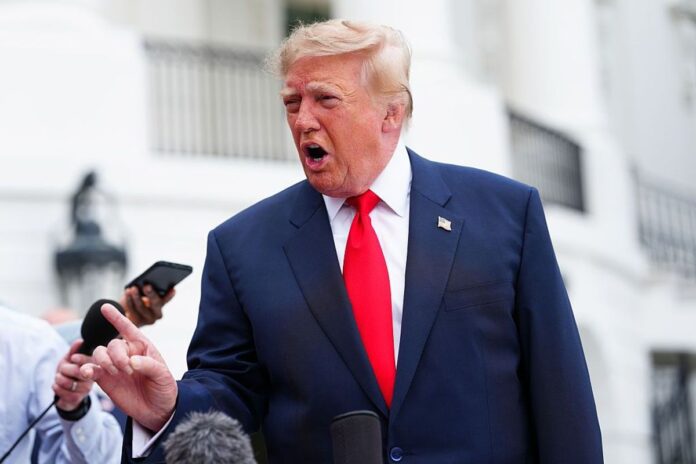
Trump wrote on Truth Social, in a post reproduced by Al Jazeera: “Effective immediately, there is an ENERGY CEASEFIRE in the War between Russia and Ukraine.” He added: “Both parties have agreed. Do not break it!” There was no immediate confirmation from Moscow, the outlet reported.
Zelenskyy initially said he knew nothing about the agreement, Al Jazeera reported, citing Axios. Ukraine subsequently expressed support for a reciprocal halt, rather than confirming that it had negotiated the terms Trump announced. In his October 11 evening address, Zelenskyy said Ukraine was ready to refrain from striking Russian energy infrastructure and expected Russia to show the same readiness.
That distinction matters. Trump described an agreement already taking effect. Kyiv described a step it was willing to take if Moscow reciprocated. Russian acceptance, a jointly confirmed starting time and a mechanism for investigating alleged violations have not been established in the evidence reviewed for this report. A published agreement defining which facilities would be protected has not been located.
The announcement followed Washington’s decision to authorize transactions involving Russian diesel, including imports into the United States. Trump has linked Ukrainian attacks on Russian refineries to diesel shortages and defended the export arrangement as a response to fuel-supply pressures. Zelenskyy opposed the deal, arguing that allowing Russia to earn more from fuel sales would help finance its military operations. The dispute followed Trump’s demand that Ukraine stop refinery strikes on Saturday.
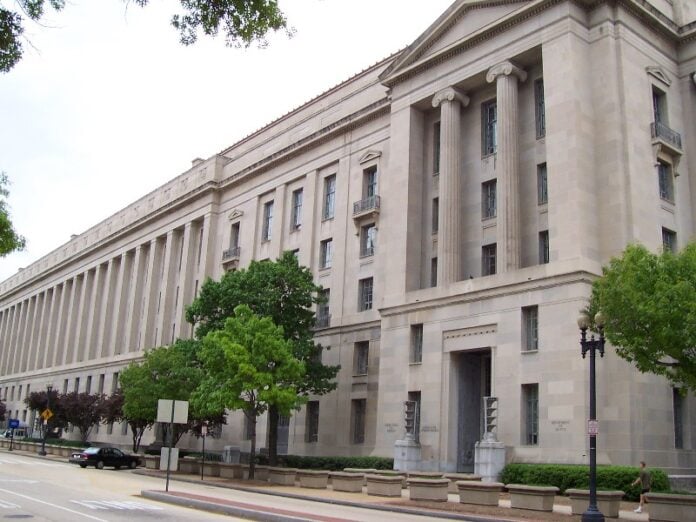
The sanctions measure is narrower than a general reopening of trade with Russia. General License No. 135, issued by the US Treasury Department’s Office of Foreign Assets Control on October 9, authorizes transactions related to the sale, delivery, offloading and importation of Russian-origin diesel through 12:01 a.m. Eastern daylight time on April 7, 2027. The licence covers transactions otherwise prohibited by the two Russia-related sanctions regulations it identifies.
It also preserves an important restriction. The licence does not authorize debits to accounts at US financial institutions belonging to Russia’s central bank, National Wealth Fund or Ministry of Finance. Describing the measure as a blanket suspension of Russian sanctions would therefore overstate what the document permits. It creates a defined diesel authorization, with an expiry date and explicit exclusions.
Russia announced a corresponding change to its export rules. TASS reported that the cabinet partially lifted the diesel export ban effective October 10, permitting 500,000 metric tonnes to reach foreign markets at that stage. The cabinet said Russian oil companies would immediately begin contracting supplies abroad in coordination with the government. That announcement does not, by itself, establish how many contracts have been signed or how much fuel has been delivered.
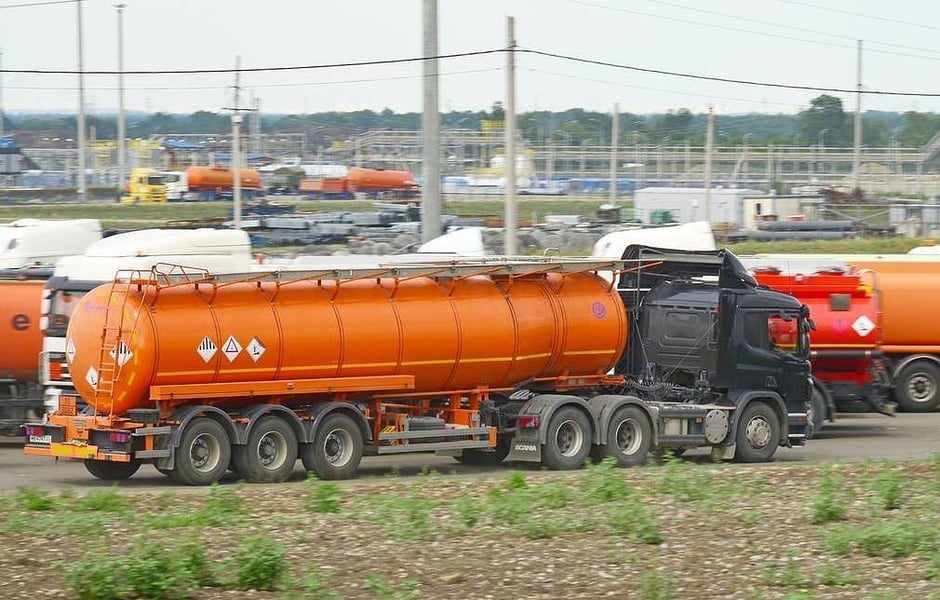
Deputy Prime Minister Alexander Novak separately described planned supplies of 300,000 tonnes in October, 500,000 in November and 1 million in December, according to TASS. Those monthly figures should not be confused with the cabinet’s initial 500,000-tonne export authorization. The report presents them as distinct elements of Russia’s announced arrangements, not evidence of completed shipments.
The disagreement between Washington and Kyiv is about more than the price of fuel. Trump’s approach connects relief for diesel supplies with a halt to attacks on energy infrastructure. Zelenskyy’s objection concerns the revenue Moscow could earn while its military campaign continues. A reciprocal pause could address Ukrainian concerns about attacks on its own energy system; sanctions relief without that pause would not resolve the objection he has raised.
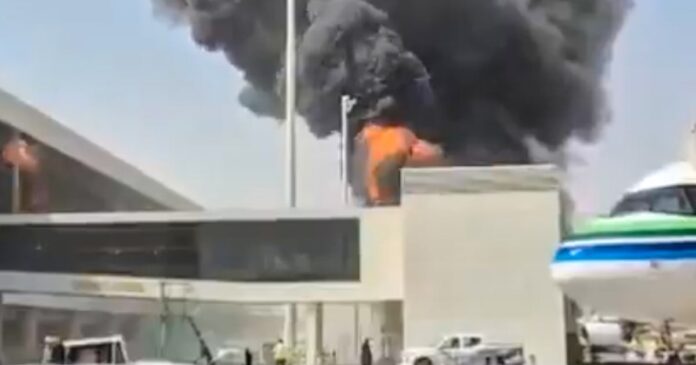
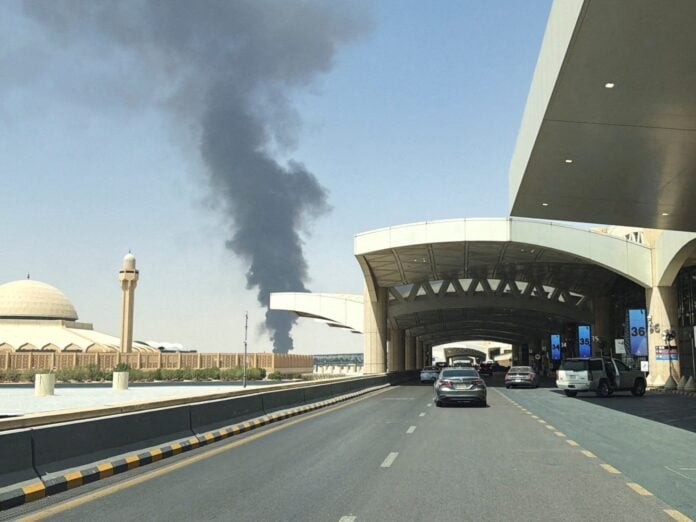
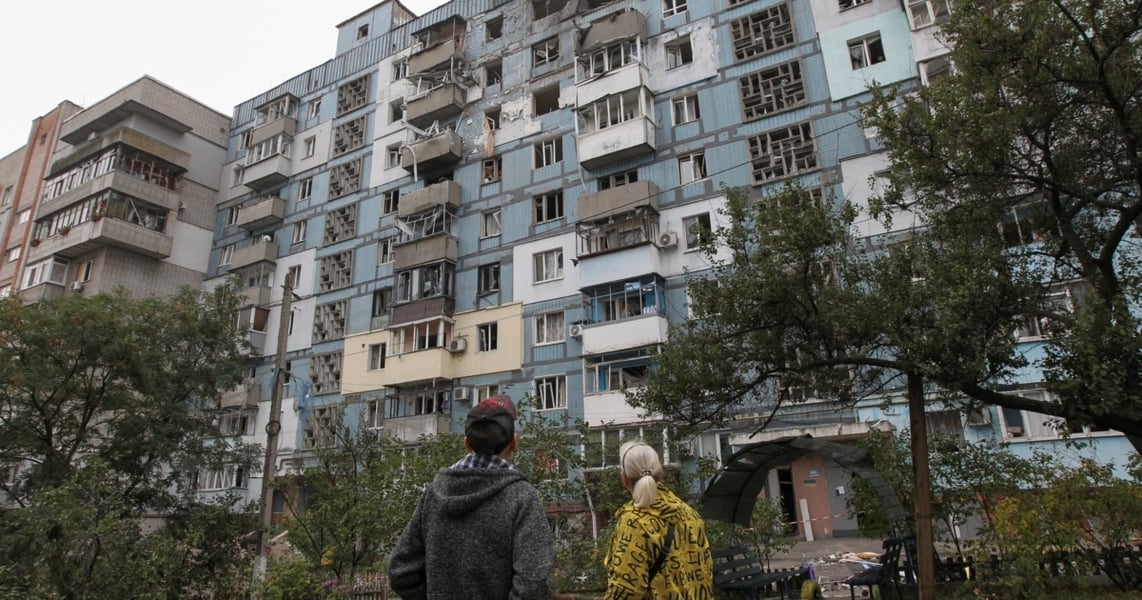
In his evening address, Zelenskyy reported an attack on Kharkiv’s CHP-5 facility and said Russian attacks were continuing. The Ukrainian presidency also published a readout of discussions with Canadian Prime Minister Mark Carney, Finnish President Alexander Stubb and NATO Secretary General Mark Rutte. That readout said energy facilities had been struck after Trump’s announcement. These are accounts from Ukraine’s leadership, not independent verification of the attacks or their timing.
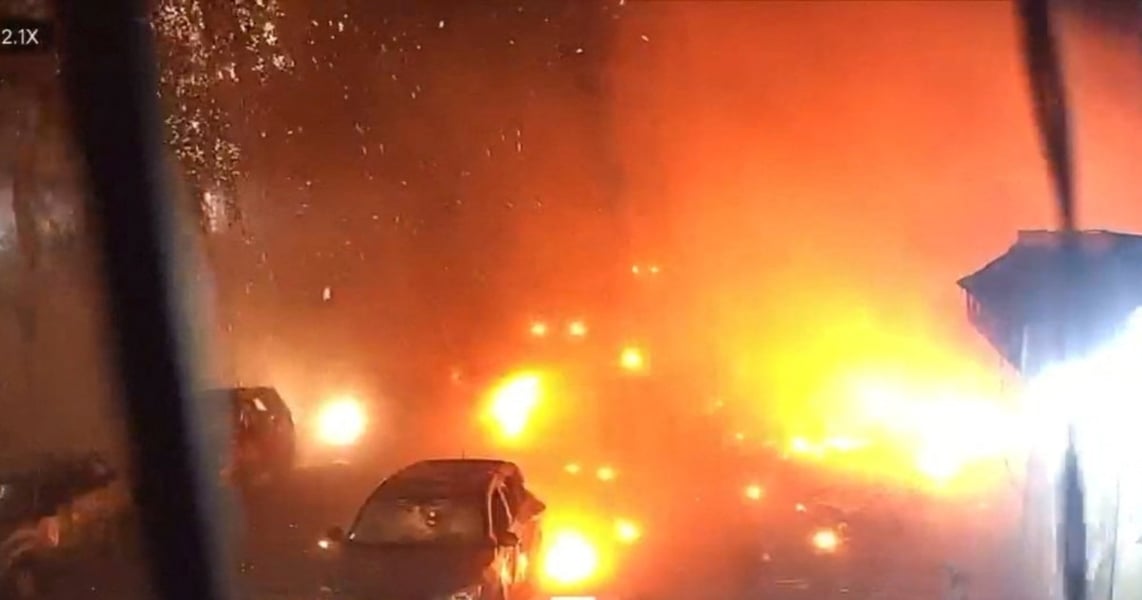
There is an earlier announcement against which to assess the latest declaration. Radio Free Europe/Radio Liberty identified September 14 as Trump’s most recent previous announcement of an energy ceasefire and reported that Russian strikes continued afterward. The precedent does not establish what will happen this time, but it makes an announcement alone insufficient evidence that attacks have stopped.
The outstanding questions are practical as well as diplomatic. It remains unclear how the parties would distinguish protected energy facilities from other targets, who would assess disputed attacks or what Washington would do if either side rejected the pause. The diesel licence answers a separate legal question: which fuel transactions the United States permits and for how long. It does not establish ceasefire terms.
For now, Trump’s assertion of an agreement, Ukraine’s offer of reciprocal restraint and the US diesel authorization remain distinct developments. Whether they produce a functioning halt to energy attacks remains unresolved.