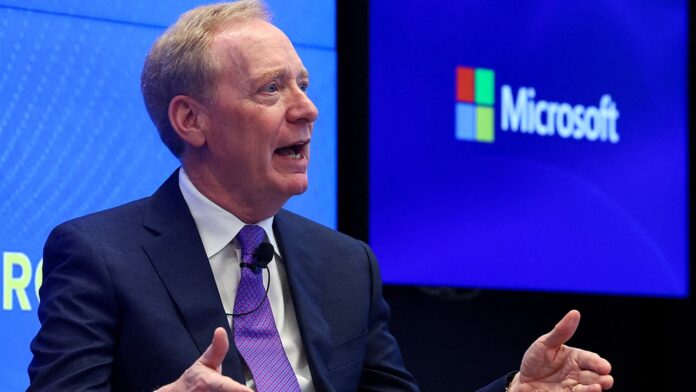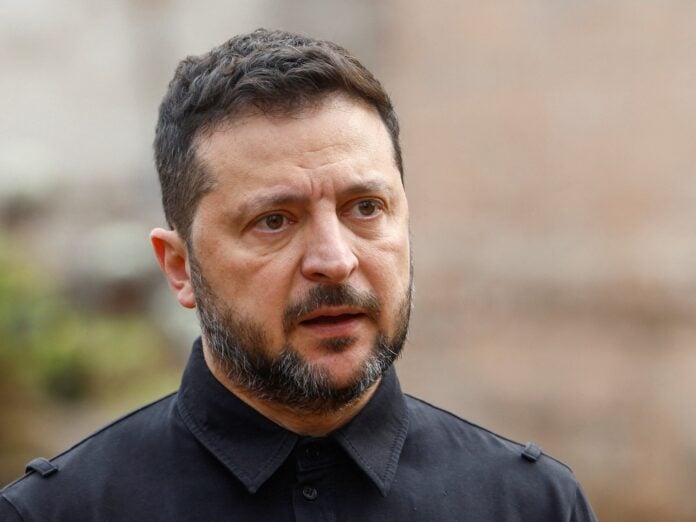

NEW YORK – When Volodymyr Zelenskyy arrived at the United Nations building in Midtown Manhattan on Monday, he opened with the words he has carried across every meeting this week: the war should end before winter. What happened in the hours that followed illustrated precisely how far that wish remains from any agreement anyone can actually confirm.
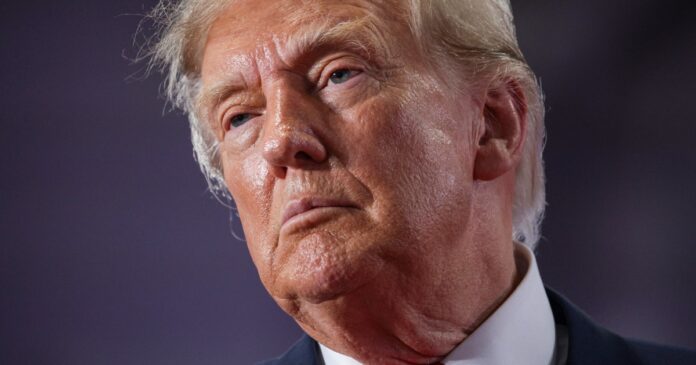
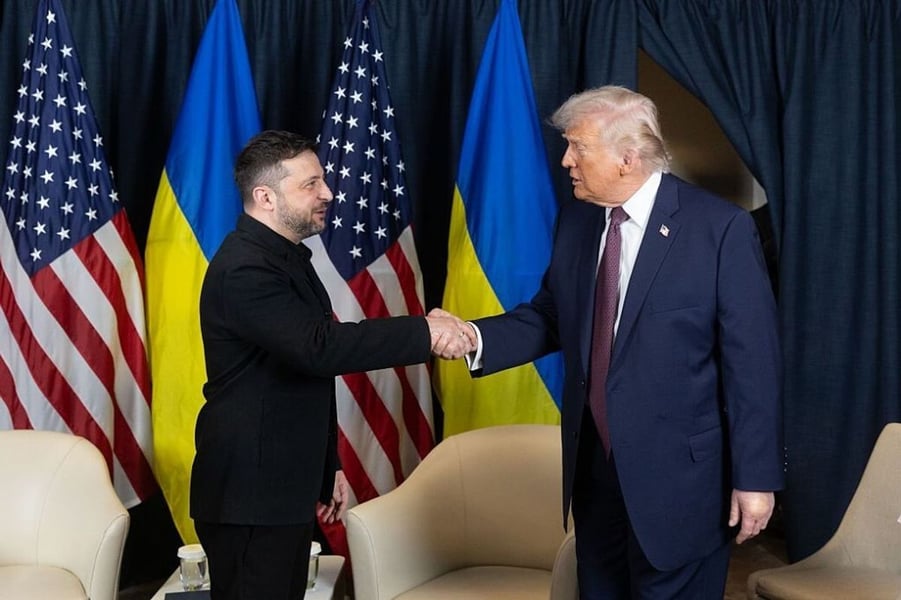
Donald Trump and Zelenskyy met for roughly two hours on the sidelines of the 81st session of the United Nations General Assembly, beginning with brief statements before the press and continuing behind closed doors. What emerged from that room was not a ceasefire. It was, at minimum, a claim by the American president that one had begun.
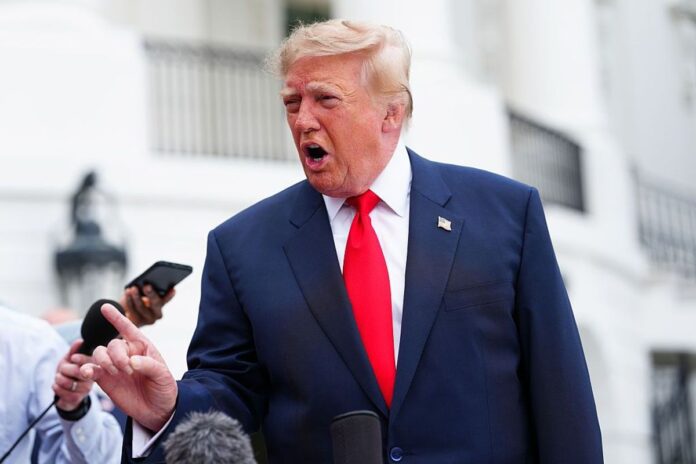
Standing before reporters after the session ended, Trump said Ukraine and Russia had agreed to halt strikes on each other’s energy infrastructure. He described Zelenskyy’s offer to stop Ukrainian drone attacks on Russian oil refineries in exchange for Russia ending its campaign against Ukrainian power stations and food export corridors. “That’s a deal,” Trump said. “A real deal.”
The problem was that Kyiv had not heard of it.
The Kyiv Independent reported that Ukrainian officials said they were unaware of any such agreement. The headline that circulated across Ukrainian news channels within minutes of Trump’s remarks captured the gap between the two rooms: Ukraine’s side had not been notified of a deal. A person familiar with the Ukrainian delegation’s position said there was no signed document and no mechanism for enforcement. Russia, for its part, had not commented.
Zelenskyy, speaking separately to journalists, was more carefully hedged. He said he was “not sure” that Russia wanted to comply with any energy truce, even one it had supposedly accepted. He noted that his side had already proposed this specific exchange weeks earlier, through back channels, and that Moscow had not responded to it then.

The substance behind the energy truce proposal is real enough. Ukraine has conducted a sustained drone campaign against fuel storage and processing facilities inside Russia, including strikes on refineries near Moscow that damaged the Kremlin’s refining capacity. Trump acknowledged in his remarks that those strikes were, as he put it, “a serious hit against the Russians,” though he also noted that they had contributed to rising diesel prices in the United States, where retail diesel reached $6.53 a gallon this week, up from $3.69 a year ago. The economic pain, he suggested, was a reason to stop.
For Ukraine’s part, the Moscow oil refinery campaign has never been purely a military calculation. It is leverage. What Kyiv has offered to trade it for is protection of its own energy grid, the network of substations, transmission lines, and distribution infrastructure that Russia has spent two winters methodically destroying. Every Ukraine ceasefire proposal from Kyiv’s side has included some version of this exchange. None has produced a Russian response that went beyond public statements.
The Patriot interceptors came up in the meeting as well. Zelenskyy has for months pressed the United States to approve the transfer of Patriot surface-to-air missile systems from allied stocks, particularly a consignment of ten interceptors held in Germany. Trump told him that approval was in process.
An hour after his meeting with Trump, Zelenskyy crossed the street to meet French President Emmanuel Macron. The agenda was similar: air defense systems, winter preparation, and support from European capitals for a ceasefire framework that would not require Ukraine to surrender territory. Macron offered what European leaders have consistently offered, political solidarity and an acknowledgment that without American backing, any framework is structurally incomplete.
The peace talks in New York this week have taken place inside that structural incompleteness. Trump can claim agreements. Macron can express solidarity. Zelenskyy can propose terms. What none of them can produce is a Russian commitment that goes beyond silence, and that silence, sustained now across more than two years of negotiations that have come close and gone nowhere, is the thing no afternoon at the United Nations has been able to break.
Whether the energy truce holds, or whether it existed in the first place as anything more than one side’s reading of a closed-door conversation, was not clear by Monday evening. Russia had not said a word.