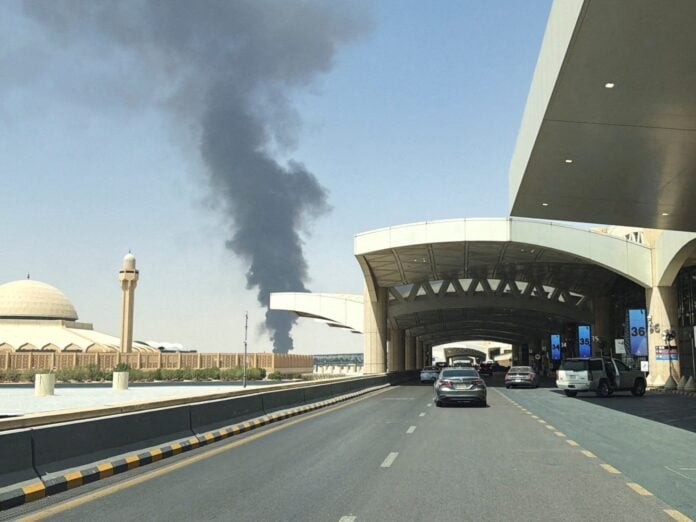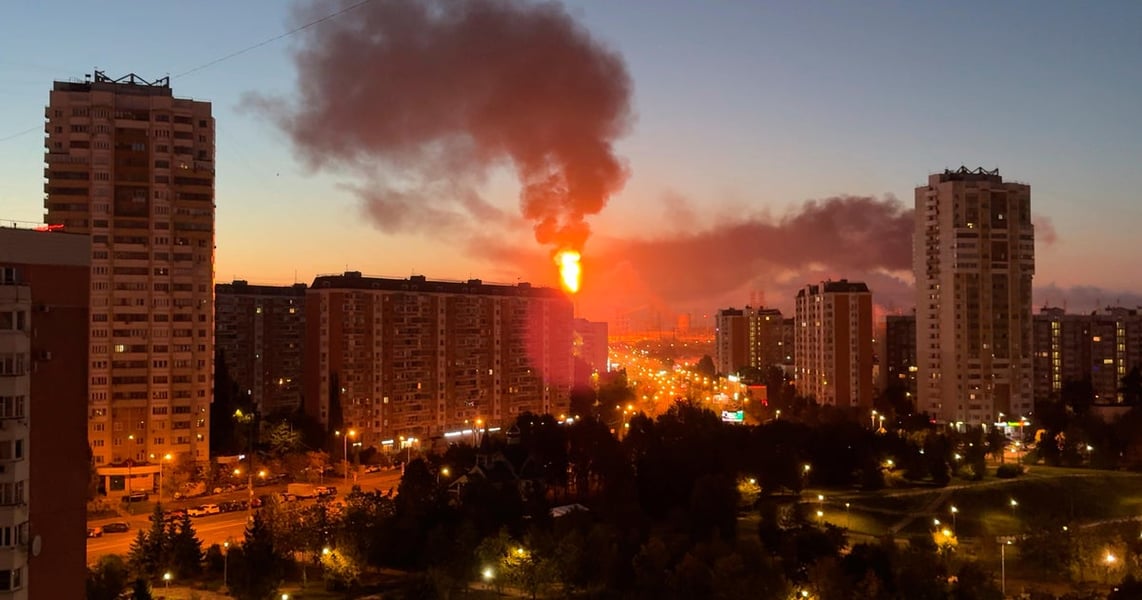

KYIV — The Moscow Oil Refinery in Kapotnya was burning before most of the Russian capital had woken up Sunday. The flames were visible from the Garden Ring. They were also, Ukraine’s president said, precisely the point.
In what Moscow officials described as the largest drone assault on the capital since the war began, Ukraine fired more than 1,000 drones overnight, including roughly 450 aimed at Moscow. Russia’s Ministry of Defense said its air defenses destroyed 1,110 drones in total across the country, over Crimea, and above the Black Sea. The scale, and what it struck, did not match the picture Donald Trump had painted seven days earlier.
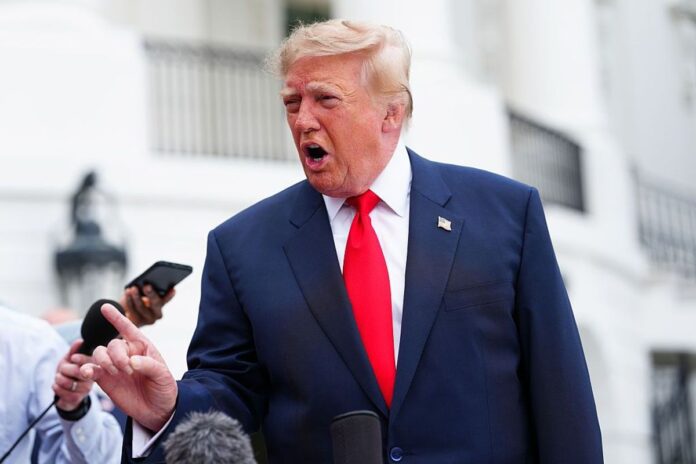
On September 13, Trump announced that both sides had agreed to halt strikes on energy infrastructure. Ukraine said it was open to such an arrangement. Russia said nothing. CBS News reported that Moscow Mayor Sergei Sobyanin confirmed fires at the refinery and at a residential building after calling it the “largest ever” drone attack on the city. Sunday’s strike on Kapotnya answered the question of whether that ceasefire had ever existed.
Gov. Andrei Vorobyov said two people died in the wider Moscow region: a 74-year-old man and a 44-year-old woman. Twenty others were wounded. Sobyanin’s account of 450 drones directed at Moscow alone was consistent with Russian air defense figures released the following morning.

The strikes fit Kyiv’s broader argument that its long-range campaign is leverage rather than escalation: a tool Ukraine can use in a peace process it has had little formal influence in shaping.
The reported strike on a refinery in Moscow’s Kapotnya district carried particular symbolic weight. Kapotnya lies about 14 kilometers southeast of the Kremlin, placing the incident inside Moscow’s administrative boundaries and giving it a different political message from attacks on a military depot in Bryansk or an airfield in Pskov.
Sunday’s attack came on the final day of Russia’s parliamentary elections, in which United Russia was expected to secure a supermajority of seats in the State Duma. Polling stations were still open in some eastern regions when the Moscow refinery caught fire. Russian authorities did not delay the vote.
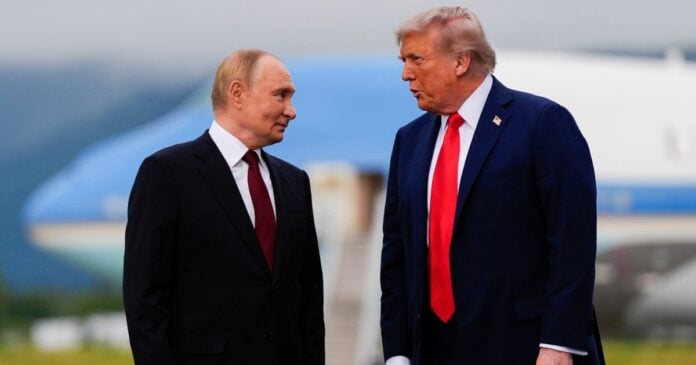
Trump’s September 13 claim had followed a phone call with Vladimir Putin. The Kremlin confirmed the call but described it in softer terms than the White House; Moscow’s statement mentioned “a constructive exchange” without endorsing any halt on energy targets. NBC News reported that Ukrainian officials told Western journalists privately that Kyiv had not received any formal Russian response to the energy truce proposal. Ukraine said it was ready. Russia never said it agreed.

The energy infrastructure agreement Trump described would have represented one of the more significant confidence-building measures of the nearly three-year war, had either party formally adopted it. Ukraine had previously indicated willingness to discuss limited ceasefires in exchange for specific security guarantees; Russia has shown no public interest in any arrangement that does not address its core territorial demands. The gap between the two positions had not narrowed since Trump returned to office.
In a separate episode earlier this month, Russia launched what was at the time its largest recorded strike campaign toward Ukrainian territory, scattering debris into Poland and Moldovan airspace and drawing formal protests over the airspace violations. Both episodes preceded the Trump ceasefire announcement with no visible pause in operations on either side.

What Trump intends in response to Sunday’s strike has not been stated. His administration made no public comment. Zelenskyy’s office, asked whether the drone campaign would continue, did not answer directly but issued a statement describing Russia’s refinery network as a legitimate military target under international law.
Who decides what an energy ceasefire covers, on whose authority, and whether Russia ever agreed to one, is a question the Trump administration has not addressed publicly. Whether Moscow retaliates with mass strikes on Ukrainian cities, as it has following previous deep strikes on Russian territory, is the calculation Ukraine’s military leadership declined to address on the record.