WASHINGTON — Russia’s President Vladimir Putin ended the phone call on Tuesday with the same battlefield calculation he had when it began: Russia’s military is advancing, and the war will end on Moscow’s terms.
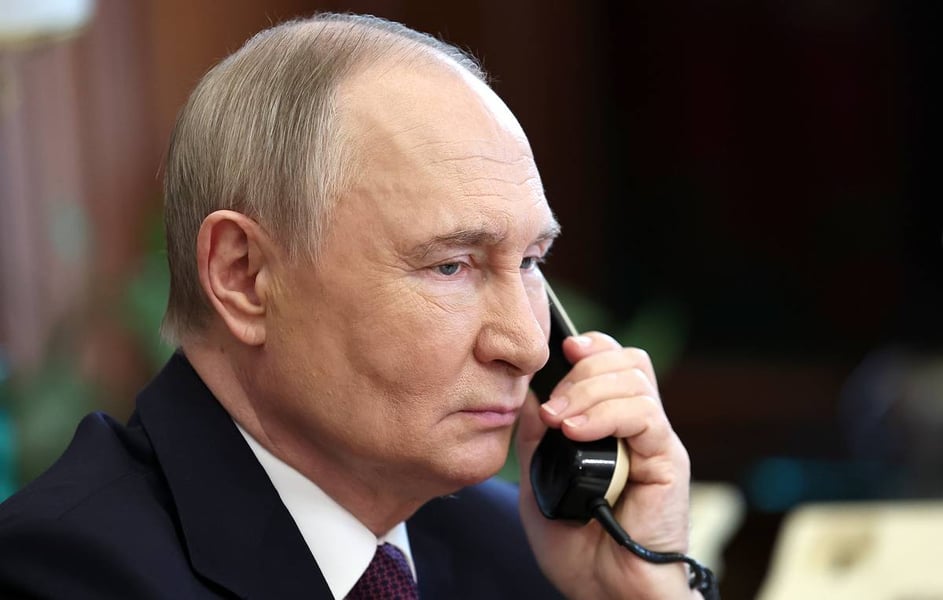
The hour-long conversation between the Russian president and Donald Trump, described by the Kremlin as “constructive and quite frank,” Al Jazeera reported, produced nothing resembling a ceasefire. Putin offered only a conditional pledge to limit Russian strikes on Ukrainian energy infrastructure if Kyiv reciprocated. Trump had come into the call seeking a broader 30-day halt. He did not get it.
That gap, between what Trump wanted and what the Kremlin was willing to give, is the central fact of Tuesday’s diplomacy. It arrived at a moment when Trump, facing congressional midterm elections in less than two months, has staked a significant portion of his second term on delivering the peace deal he promised voters he could produce.
Trump’s pitch, as relayed to reporters by Kremlin foreign policy aide Yuri Ushakov, was economic: end the war and “impressive and large-scale prospects” for restored U.S.–Russian trade and relations would follow. Ushakov said Trump “clearly conveyed the idea that an early end to the conflict would be desirable.” Putin, for his part, provided an “objective and thorough analysis” of Russia’s military goals and its plans for “prospective battlefield advances.” That is not the language of a leader preparing to yield ground.
The call followed a weekend of intensive shuttle diplomacy. Trump’s envoys Steve Witkoff and Jared Kushner visited Moscow on September 5 for roughly three hours of talks with Putin; the sessions included dinner with the Russian leader. Kremlin aide Ushakov described those meetings as “exceptionally candid, conducted in a spirit of trust,” The Moscow Times reported. The two envoys then traveled overland to Kyiv the following day, where Witkoff emerged saying he was “very encouraged.” That optimism lasted approximately 48 hours before hitting the reality of Tuesday’s call.
Zelenskyy added that he would speak with Trump separately on Tuesday to discuss “the details of the next steps.” He declined to say what those steps might be.
The White House did not release a formal readout of the Trump-Putin conversation. The Kremlin’s account, which is the principal public record of what passed between the two leaders, described a call that ended with an agreement to “stay in touch,” diplomatic boilerplate that has become a recurring feature of this conflict’s failed negotiations.
What the Kremlin statement says more than it intends to: Putin spent part of the call briefing Trump on Russia’s military posture and battlefield projections. A party seeking a deal does not need to walk the other side through its plans for advancing its forces. A leader confident that time is on his side does.
The political backdrop in Washington is not lost in Moscow. Trump’s party holds narrow majorities in the House and Senate, and the midterms fall in November. Voter concerns about the conflict in Iran, where US troops have sustained 838 killed or wounded in the Iran conflict, according to Pentagon data, along with inflation and tariffs, have weighed heavily on Republican poll numbers. A Ukraine settlement would offer Trump a political reset heading into the fall campaign. Putin understands that arithmetic as clearly as any Kremlin adviser.
What the United States brings to the table has not changed materially since the early months of Trump’s second term: trade normalization, diplomatic recognition, relief from sanctions pressure. What has changed is that Russia’s forces have continued to make incremental gains in eastern Ukraine. The incentive structure for a deal looks substantially different from Moscow than from Mar-a-Lago.
Witkoff and Kushner have spoken about reviving what they call the “trilateral format,” a structure in which the US acts as an intermediary between Moscow and Kyiv, apparently tested in some form roughly six months ago. Whether that mechanism has more traction now than before remains unclear. The calls this week produced a conditional and narrow agreement on energy infrastructure and a pledge to keep talking.
What remains unknown is what Trump and Putin actually said to each other. The call was described as confidential, and neither government has provided a substantive account of its contents. The Kremlin’s readout and Zelenskyy’s response are the public record. The actual exchange, and whether Trump privately offered or conceded anything beyond the trade pitch relayed by Ushakov, is not known.
The war’s trajectory is what it was before Tuesday’s diplomacy: a Russian operation proceeding against fierce Ukrainian resistance, with no political settlement in sight and an American president who is running out of time to change that before his voters are asked to render a verdict.