
WASHINGTON — The number of American military personnel killed or wounded since the United States entered direct conflict with Iran has reached 838, according to data released by the Pentagon this week that added 26 newly recorded casualties to an official tally that continues to grow faster than at any point in the conflict’s first four months.
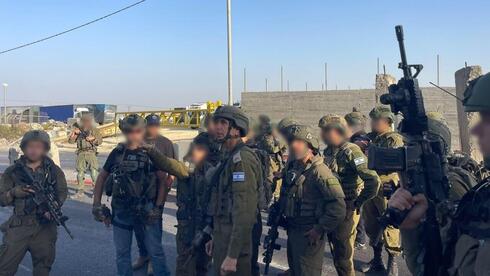
Of the 838 total, 820 are classified as wounded and 18 as killed in action, a ratio that reflects the nature of the conflict to date, which has been characterized more by missile and drone attacks on US facilities and warships than by conventional ground combat. Blast trauma, shrapnel wounds, and bone fractures from anti-ship missile strikes account for the majority of the injury classifications in Pentagon data reviewed by Congressional researchers this week.
The 26 additions bring the month’s running total above the July figure of 21 new casualties, suggesting the rate of American losses is not declining despite sustained US military operations against Iranian military infrastructure and, more recently, against Iranian oil tankers in the Persian Gulf.
For the families of those wounded, the accumulation of a number like 838 is not an abstraction. For some, it means months of rehabilitation from blast-induced traumatic brain injuries; for others, amputations from shrapnel wounds sustained aboard vessels struck by Iranian anti-ship missiles in the Gulf of Oman or the northern Gulf approaches. The conflict has not produced a single decisive engagement. It has produced a slow, grinding accumulation of American casualties across dozens of incidents that individually receive limited coverage.
The Pentagon’s casualty methodology has itself become a point of contention. Several families of wounded service members have told Congressional staff that their relatives’ injuries were initially classified as “battle injuries” rather than attributed to the Iran conflict specifically, a distinction that affects the scope of care, benefits eligibility, and how the casualty is tabulated in the public tally. The Pentagon has disputed the characterization but has not addressed specific cases in its public communications.
A defense official, speaking on condition of anonymity because they were not authorized to discuss casualty accounting procedures publicly, said the tally represents “verified and administratively complete” entries and that some cases take weeks to process before appearing in the official count. That administrative lag may explain some of the gap between what families report and what appears in the public data, though it does not resolve the underlying classification question.
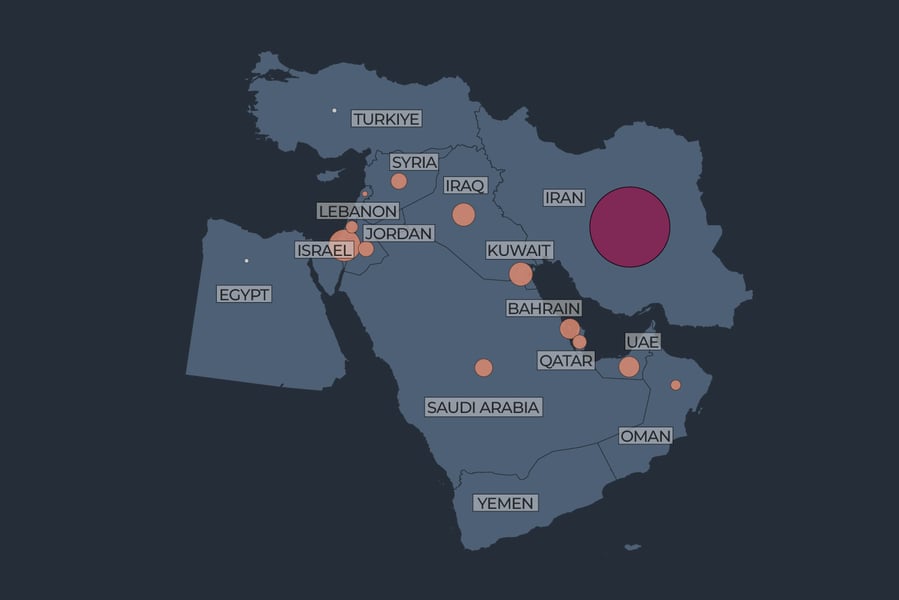
The conflict began in late February after the United States carried out strikes on Iranian territory in response to a missile attack on a US base in Iraq. The Iranian response evolved from an initial barrage of ballistic missiles into a sustained exchange involving drone attacks, anti-ship missiles, and proxy operations conducted by Iranian-linked militia groups in Iraq and Syria. The conflict’s reach has extended into the Strait of Hormuz, where Iran has claimed to have shot down US surveillance drones and put captured American underwater vehicles on public display.
US strategy has shifted since June. The failed ceasefire attempt in mid-June was followed by a decision to expand strikes from military targets to economic ones, with US forces beginning to target Iranian oil tankers in August on the theory that draining the IRGC’s revenue base is more strategically sustainable than degrading its military hardware directly. Whether that shift has changed the casualty trajectory is not yet clear from the data, though the 26 new entries this week suggest it has not reduced Iran’s capacity to threaten American forces.
The 18 American fatalities remain a politically sensitive figure. Several families have pushed for public memorial recognition that Congress has so far not voted to establish. A bipartisan group of senators introduced legislation last week to require the Pentagon to publish the names of all service members killed in the conflict on a dedicated government website, a practice that had been standard during the Iraq and Afghanistan engagements. The bill is not expected to advance in the current legislative calendar.
CENTCOM has acknowledged the broad outlines of casualty data in its public statements but has not confirmed the specific 838 figure, referring questions to the Office of the Secretary of Defense. A Pentagon spokesperson confirmed the number was accurate as of the data release date but declined to characterize the trend.
What the number does not answer is how much more of this trajectory the political consensus in Washington will sustain. The 838 figure is still well below the casualty rates that triggered congressional friction during the Iraq War’s peak years. But the conflict is seven months old, there is no ceasefire on the horizon, and the tally is going up every week.